Latest Sustainability News & Updates
AIโs energy appetite, datacenter emissions and the tech helping grids and climate models cope.
188 articles
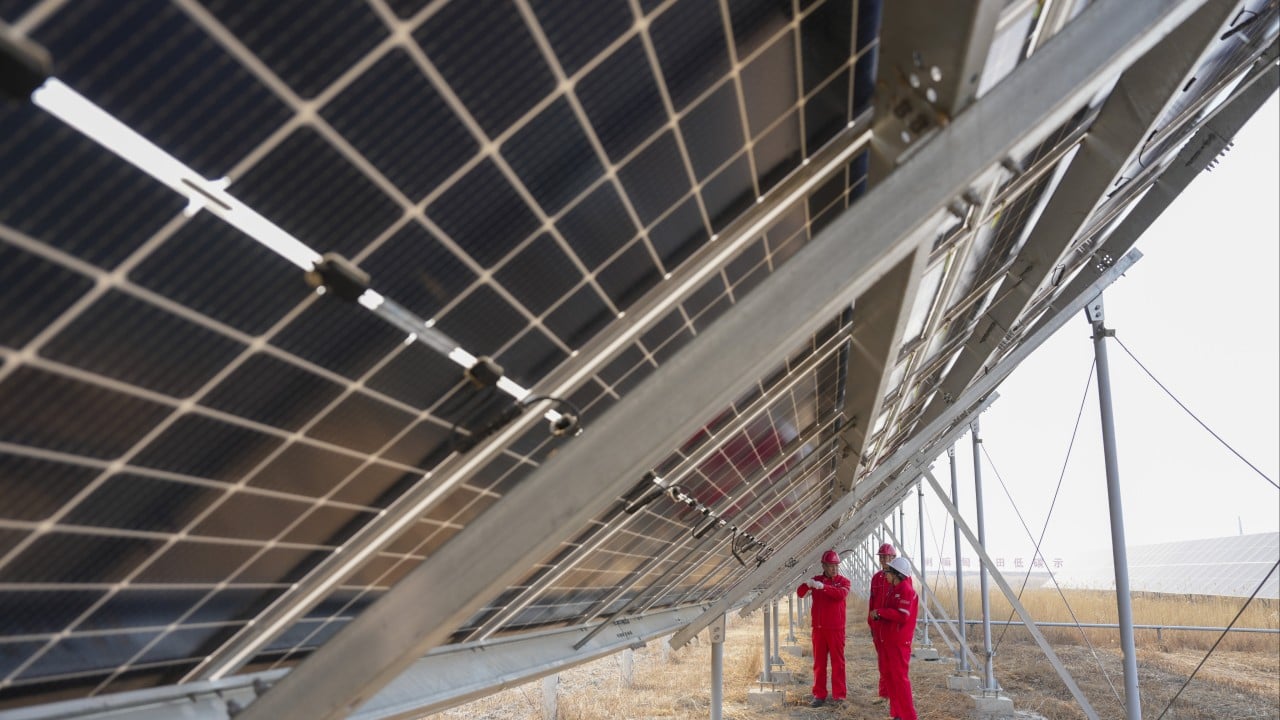
Beijing Mandates Green Energy for AI Data Centers
Beijing is making green electricity usage a key metric for new data centre projects to align AI expansion with national carbon goals. The action plan was jointly released by the National Energy Administration, National Development and Reform Commission, Ministry of Industry and Information Technology, and National Data Administration.
GCL Integration establishes new energy management firm
GCL Integration has established a new energy management company in Suzhou with a registered capital of 10 million RMB. The firm focuses on solar, wind, and energy storage technology services.
Microsoft emissions rise 25% due to AI data centers
Microsoft's goal to be carbon negative by 2030 is under pressure as emissions jumped 25% in a single year. The surge is directly attributed to the massive energy demands of AI data centers.
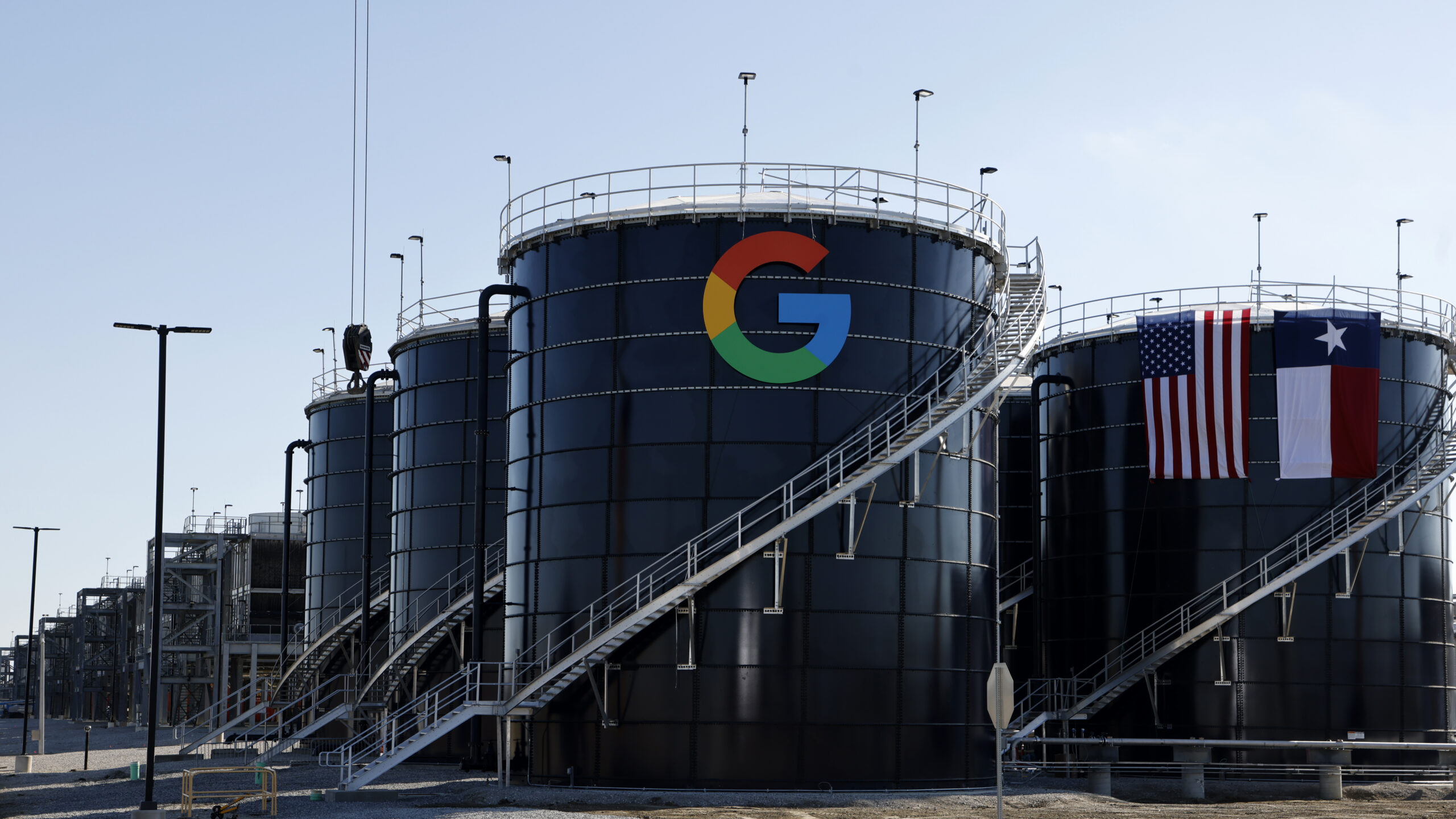
Google AI energy usage surges 37% despite efficiency gains
Google reported a 37% increase in electricity consumption due to AI infrastructure expansion, yet managed to reduce operational carbon emissions by 2%. The company is now focusing on an 'AI Stack' strategy to optimize energy efficiency across hardware, software, and data center operations.
Nuclear Reactor Powers Nvidia AI Chip in US First
Valar Atomics successfully powered an Nvidia Blackwell AI chip using its Ward 250 advanced nuclear reactor. This milestone marks the first time a next-generation reactor has directly supported AI hardware in the United States.
UN urges AI firms to disclose environmental impact
The United Nations is calling on AI companies to transparently disclose the carbon, water, and land usage of their systems. Secretary-General Antonio Guterres emphasized the need for firms to take responsibility for the environmental footprint of their data centers and supply chains.
AI maps China's wind and solar power
Researchers from Peking University and Alibaba DAMO Academy used AI to conduct the first comprehensive survey of wind and solar power in China. The study was published in the journal 'Nature'.
Microsoft Eyes Retreat from Carbon-Free Pledge
Microsoft is reportedly weighing a retreat from its 2030 carbon-free energy pledge as AI-driven electricity demands soar. The surging power needs for AI data centers are challenging the company's ambitious sustainability goals. Report sourced from GeekWire.
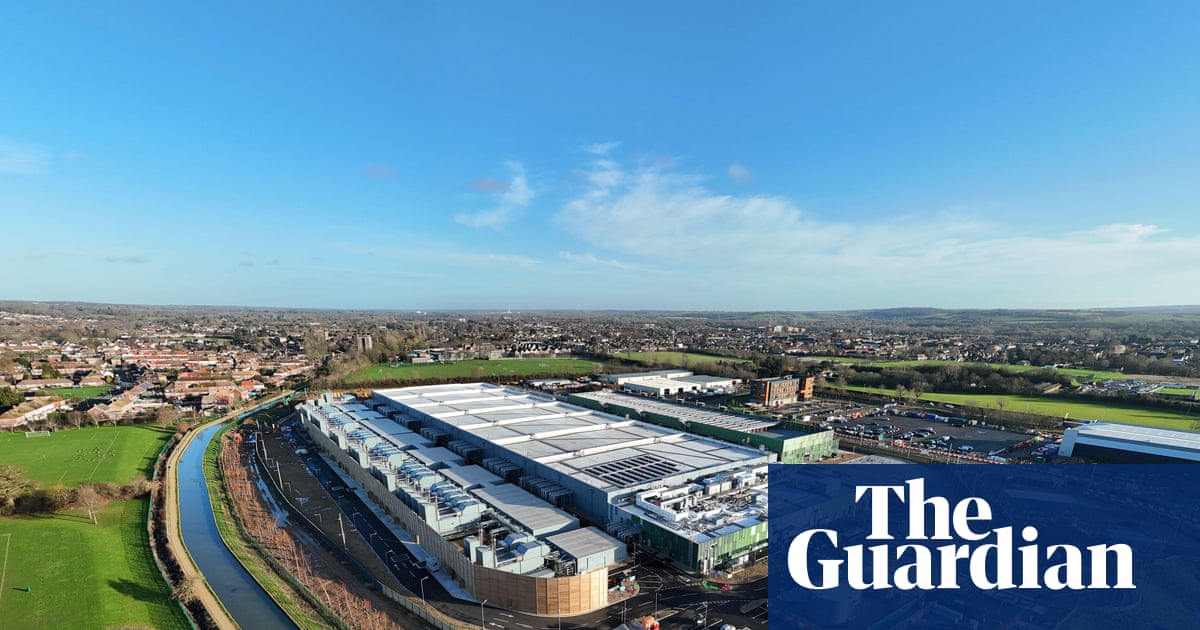
UK Vastly Underestimates AI Datacentre Emissions
UK government raised AI datacentre carbon emissions estimate by over 100 times. New data projects up to 123m tonnes COโ over 10 years, equivalent to 2.7 million people. This amplifies fears of AI worsening climate emergency.
AI Power Demands Crack Zero-Carbon Claims
AI challenges tech giants' zero-carbon pledges through real-world physical limits. Surging electricity, water use, grid bottlenecks, and local pushback are eroding green narratives. This marks the first major test of net-zero promises.
Senators Demand Data Center Energy Disclosure
US Senators Elizabeth Warren and Josh Hawley sent a letter to the Energy Information Agency on Thursday, demanding mandatory annual electricity usage disclosures for data centers. This bipartisan effort targets the opaque energy consumption of facilities powering AI and cloud computing. Greater transparency could influence future regulations on AI infrastructure.
UK Datacenter Cuts AI Power 40% on Demand
A UK datacenter reduced AI infrastructure power draw by 40% in response to National Grid events during a five-day trial. The London GPU farm adjusted power without disrupting critical workloads. This demonstrates flexible power management for AI operations.
Data Centers to Consume 20% of US Power by 2035
According to BloombergNEF, US data center electricity consumption is projected to surge to 20% of the national total by 2035. This represents a significant increase from the current 5.9% level, driven largely by the scaling of AI and cloud infrastructure.
Platinum Hydrogen Tech Boosts Catalyst Stability by 50%
Platinum Hydrogen Technology has raised millions in Pre-A funding to advance its hydrogen catalyst materials. Their new nanostructured catalysts significantly improve durability and reduce precious metal usage.
Google expands clean energy for data center operations
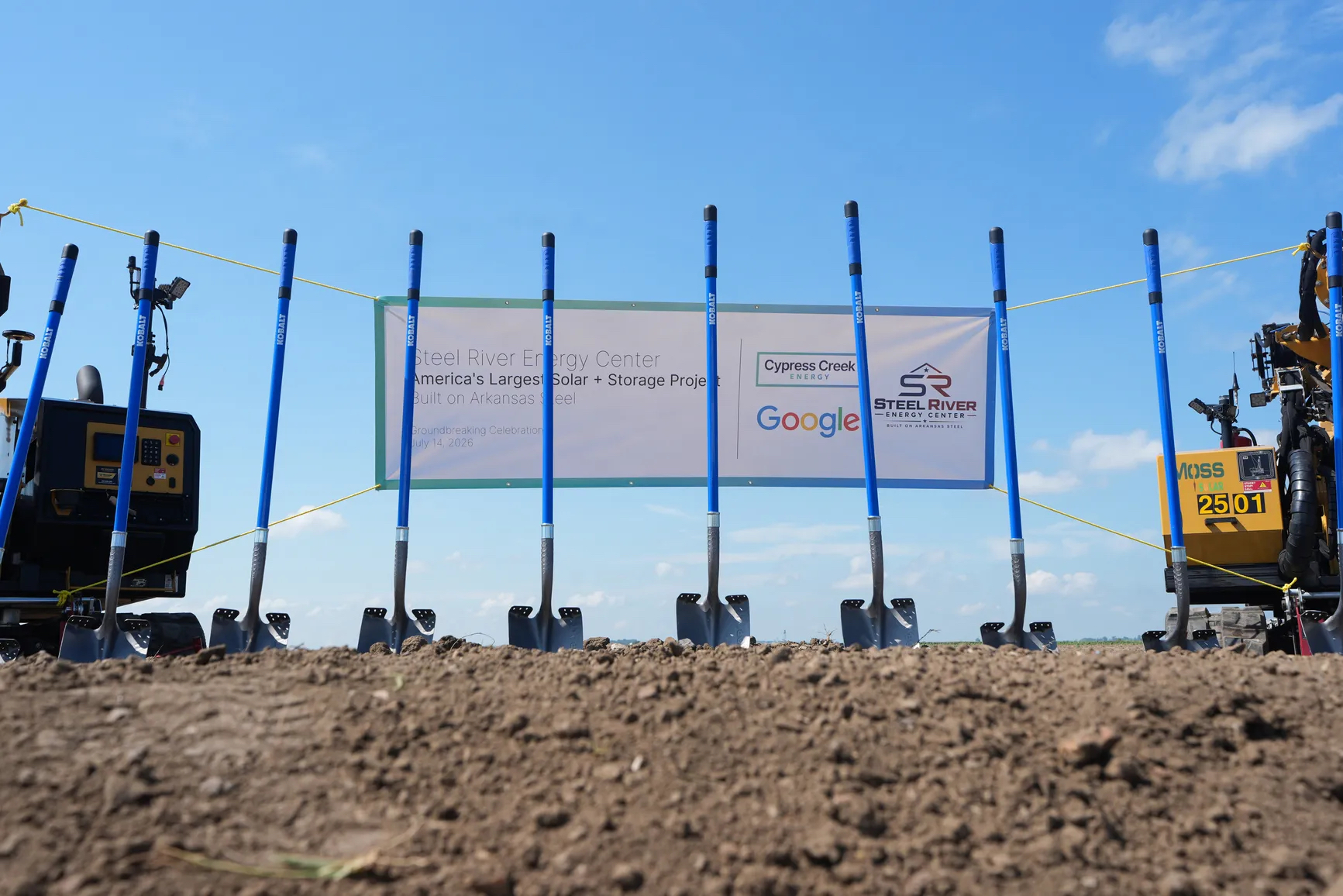
Google announced its largest solar and battery energy storage procurement project in Arkansas. This initiative aims to support the massive power demands of their data centers, which are increasingly located near energy-intensive AI infrastructure.
Solar panels on peatlands create novel ecosystems
New research indicates that installing solar panels on re-wetted peatlands creates a 'novel ecosystem' that provides shade and cooling, benefiting biodiversity. This 'PaludiPV' approach offers a low-impact way to combine renewable energy generation with environmental restoration.
Big Tech carbon emissions surge due to datacentre expansion
Microsoft, Amazon, and Google report a 20% increase in collective carbon emissions over the past year. This rise is primarily attributed to the massive construction of datacentres required to support AI workloads.
Spain invests โฌ105M to expand EV charging network
The Spanish government is allocating over โฌ100 million to build and upgrade public charging stations, focusing on major transport corridors to address range anxiety and meet EU infrastructure requirements.
Google and RWE Back Nuclear Fusion Startup Proxima Fusion
German startup Proxima Fusion has secured โฌ411 million in funding from investors including Google and RWE AG. The capital will support the development of a nuclear fusion plant, with operational goals set for the 2030s.
World's Largest Second-Life EV Battery Factory Opens
Moment Energy has launched its 'Megafactory 1' in Canada, focusing on repurposing retired EV batteries into commercial-grade battery energy storage systems (BESS). The facility utilizes proprietary BMS technology to ensure safety and compliance with UL standards.
AI agents consume 100x more energy than standard AI
A KAIST study indicates that autonomous AI agents require significantly more energy than traditional AI models. This poses a major sustainability challenge for data centers and future AI infrastructure.
China Targets 2030 for First Nuclear Fusion Power Generation
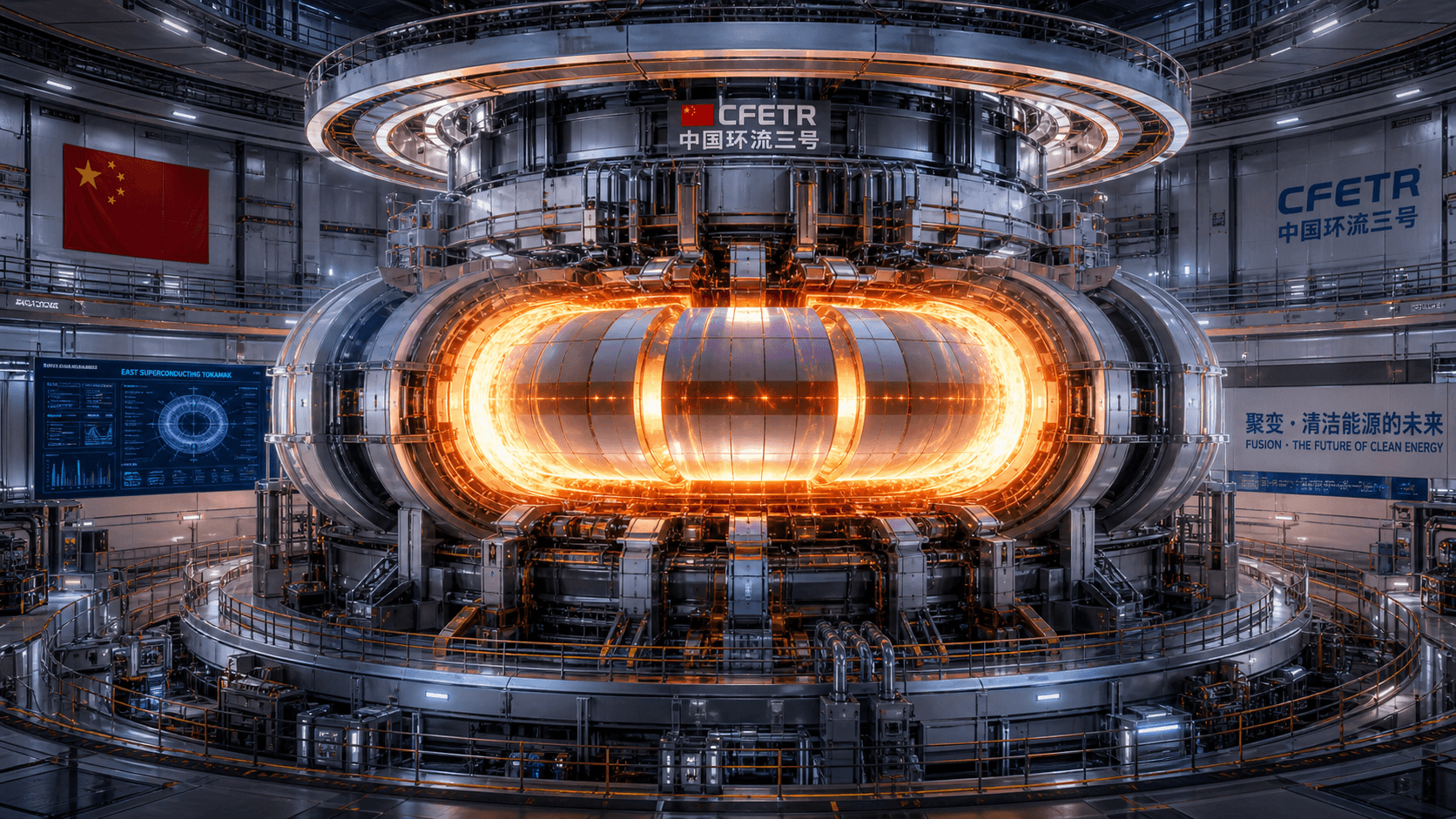
China's CFETR project has successfully produced 100% domestic superconducting magnets. The project now aims to achieve its first nuclear fusion power generation by 2030.
Meta data center construction causes water contamination
A Meta data center construction site in Cheyenne, Wyoming, contaminated the local water system with rare Cupriavidus gilardii bacteria. The incident forced the city to suspend its reclaimed water system for months while cleanup operations were conducted.
Race to power AI data centers with fusion energy
Seattle-area startups Helion and Zap are racing to develop commercial fusion energy to meet the massive power demands of AI data centers. The industry is shifting toward smaller-scale reactors and hybrid nuclear strategies to hit a 2028 deployment target.
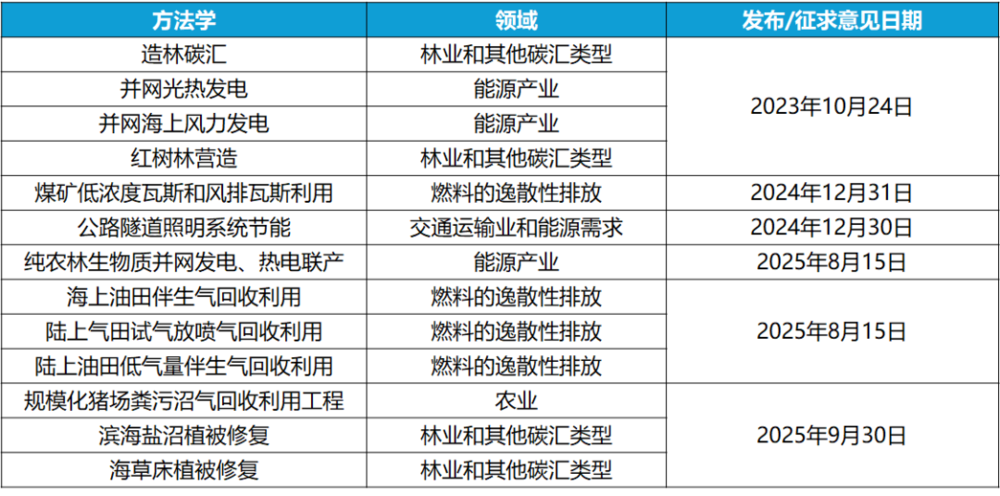
Forestry carbon sink methodology revised to boost market
The Ministry of Ecology and Environment has released a revised methodology for forestry carbon sinks to address low project registration rates. Key changes include simplified additionality requirements and expanded land eligibility.
Google AI energy consumption surges 37% in 2025
Google reported a 37% increase in electricity usage in 2025, primarily driven by the massive expansion of its AI data center infrastructure. The company is currently working to balance this rapid growth in energy demand with its long-term clean energy and sustainability commitments.
Google repurposes old phones for low-carbon AI compute
Google is collaborating with UC San Diego to develop a server architecture that utilizes processors from discarded smartphones. This initiative aims to reduce electronic waste while providing a sustainable, low-carbon alternative for AI computing tasks.
AI-powered agricultural planning system using NASA climate data
AgroVision is a demo expert system designed for Nicaraguan farmers to simulate crop outcomes based on soil, terrain, and future climate projections. It leverages machine learning to process NASA climate data to help producers optimize planting cycles and input usage.
China Includes Space Solar Power in 15th Five-Year Plan
China has officially integrated the space solar power station initiative into its 15th Five-Year Plan. The roadmap focuses on three key technical pillars: energy materials, wireless power transmission, and orbital infrastructure.
Global Alliance Launches Battery Circular Design Guide Initiative
Major industry players including CATL, BMW, and Google have formed a global alliance to develop a 'Battery Circular Design Guide' by 2027. The initiative focuses on standardized evaluation for battery lifecycle management and recycling.