Malaysia Tightens Data Centre Rules for Greener Growth
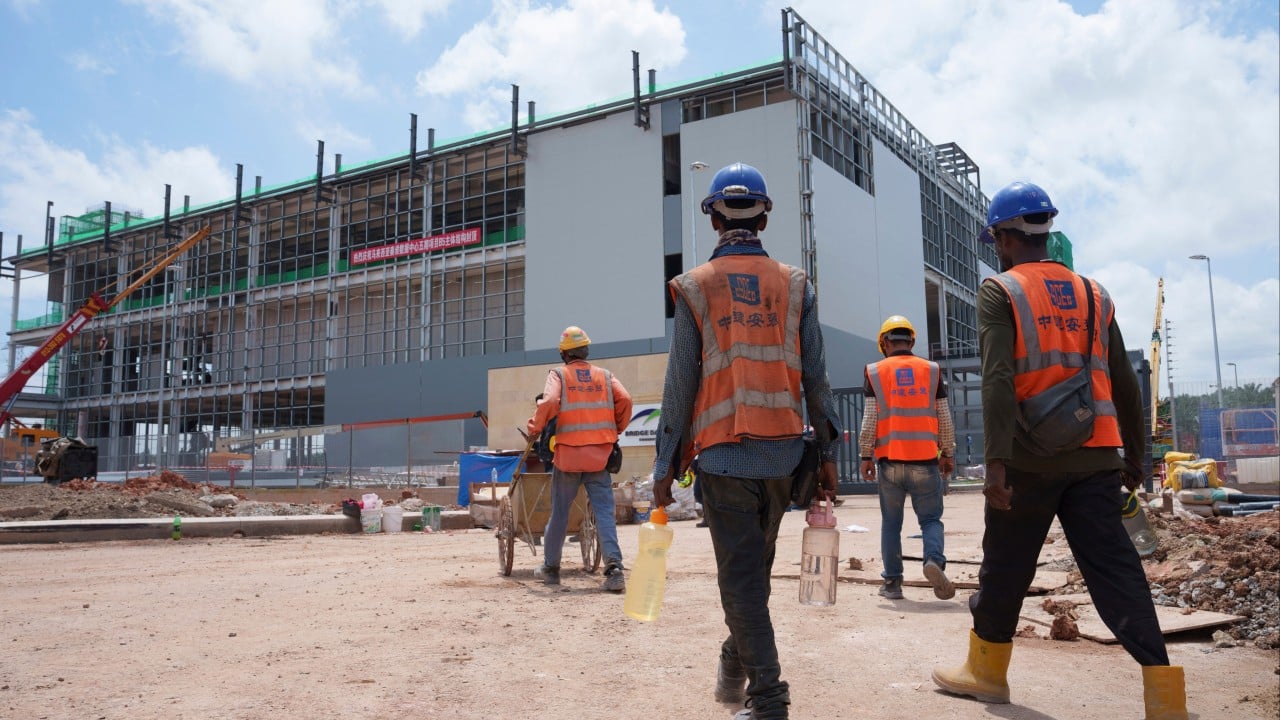
💡AI demand is intensifying data-centre capacity pressure as Malaysia links market access to greener operations.
⚡ 30-Second TL;DR
What Changed
Malaysia’s rules are designed to green the data centre sector, not close the market to investors.
Why It Matters
Sustainability requirements could influence where AI companies place training and inference workloads, especially as data centre demand rises. Operators that can demonstrate efficient energy and resource use may gain an advantage in securing approvals and capacity.
What To Do Next
Map your next AI workload deployment against Malaysia’s data-centre rules and shortlist facilities that can document low-carbon operations.
Key Points
- •Malaysia’s rules are designed to green the data centre sector, not close the market to investors.
- •Global data centre occupancy reached 97% at the end of last year, according to JLL.
- •About 77% of global data centre capacity under construction was already committed.
🧠 Deep Insight
Background and context from public sources — not the original article. 11 sources cited.
🔑 Enhanced Key Takeaways
- •The Data Centre Task Force (DCTF), established in February 2025, now provides centralized oversight to align industry growth with Malaysia's 2050 net-zero emissions goals.
- •The Malaysian Investment Development Authority (MIDA) has been designated as the single approval authority for all new data centre projects and capacity expansions.
- •Regulators are enforcing a maximum Power Usage Effectiveness (PUE) threshold of 1.4 for hyperscale projects to balance regional competitiveness with energy efficiency.
- •National water regulator SPAN is mandating that new developments utilize alternative water sources to minimize reliance on treated or potable water for cooling systems.
- •State-level policies, particularly in Johor and Selangor, now require developers to submit renewable energy transition plans and meet a 30% local content requirement.
🛠️ Technical Deep Dive
- PUE Threshold: 1.4 for hyperscale facilities.
- Cooling Requirements: Mandatory integration of alternative water sources (non-potable/recycled) for thermal management.
- Renewable Integration: Mandatory submission of renewable energy plans as a prerequisite for state-level project approval.
- Local Content: 30% threshold for project components and services.
🔮 Future ImplicationsAI analysis grounded in cited sources
⏳ Timeline
📎 Sources (11)
Factual claims are grounded in the sources below. Forward-looking analysis is AI-generated interpretation.
Weekly AI Recap
Read this week's curated digest of top AI events →
👉Related Updates

AI-curated news aggregator. All content rights belong to original publishers.
Original source: SCMP Technology ↗
This is a summary, not the original. Read the source, or get the weekly briefing.
Weekly AI briefing
One email a week. Unsubscribe anytime.