Big Tech carbon emissions surge due to datacentre expansion
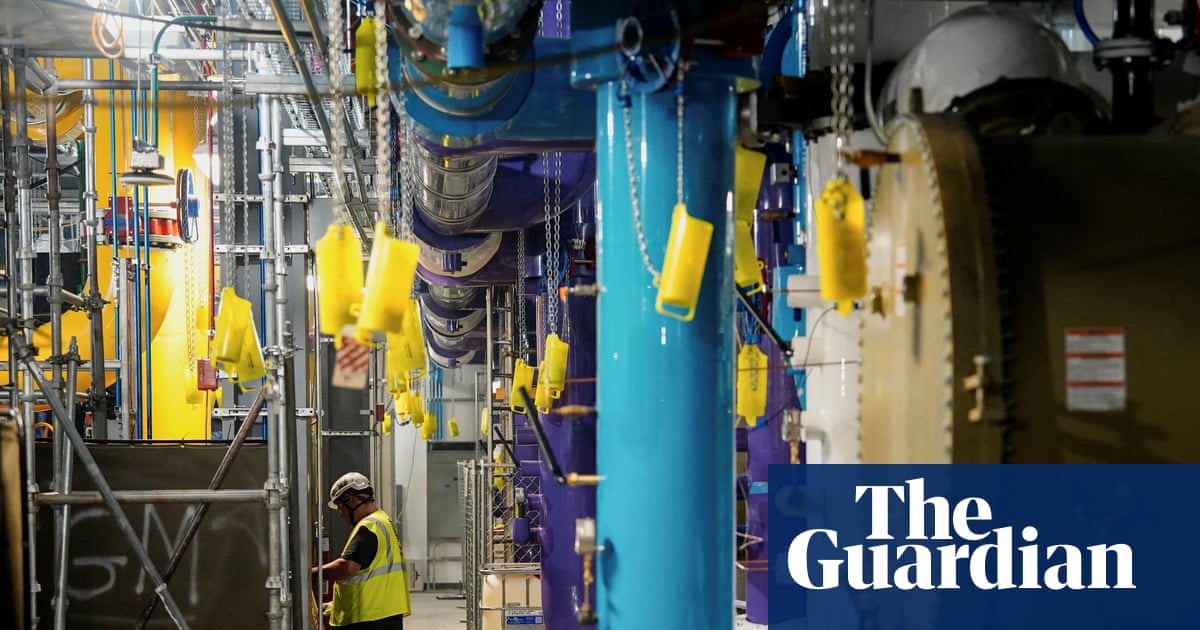
💡Understand the environmental constraints and potential cost shifts impacting the future of large-scale AI infrastructure
⚡ 30-Second TL;DR
What Changed
Collective carbon emissions reached 119 million metric tonnes of CO2 equivalent.
Why It Matters
The environmental cost of scaling AI models is becoming a significant regulatory and PR challenge for cloud providers. Practitioners may face stricter sustainability reporting requirements and potential cost increases as providers offset their carbon footprint.
What To Do Next
Evaluate the carbon intensity of your cloud region selection in AWS, Azure, or GCP consoles to optimize for lower-emission infrastructure.
Key Points
- •Collective carbon emissions reached 119 million metric tonnes of CO2 equivalent.
- •Emissions increased by nearly 20% year-over-year.
- •Datacentre construction is the primary driver of the environmental footprint surge.
- •Tech giants maintain net-zero goals despite the current construction boom.
🧠 Deep Insight
AI-generated analysis for this event — not the original article.
🔑 Enhanced Key Takeaways
- •The surge in emissions is largely driven by 'Scope 3' emissions, which include the embodied carbon in construction materials like steel, concrete, and glass used for new datacentre facilities.
- •Energy consumption for AI is significantly higher than traditional cloud computing, with some estimates suggesting a single AI query consumes up to 10 times the electricity of a standard Google search.
- •Tech companies are increasingly turning to Power Purchase Agreements (PPAs) for renewable energy, yet the intermittency of wind and solar often forces datacentres to rely on grid-based fossil fuels during peak demand.
- •Regulatory bodies in the US and EU are beginning to discuss mandatory carbon disclosure requirements specifically targeting the energy intensity of AI training and inference workloads.
- •To mitigate the environmental impact, companies are investing in 'liquid cooling' technologies and advanced heat recovery systems to improve Power Usage Effectiveness (PUE) ratios in new builds.
🛠️ Technical Deep Dive
- AI training clusters require high-density power delivery, often exceeding 50kW per rack, necessitating advanced cooling infrastructure.
- Power Usage Effectiveness (PUE) remains the primary metric for efficiency, though it fails to account for the carbon intensity of the underlying energy source.
- Embodied carbon accounts for a growing percentage of total lifecycle emissions as the frequency of hardware refreshes (GPUs/TPUs) accelerates to keep pace with model development.
- Implementation of modular datacentre designs is being adopted to reduce construction time and material waste, though these still carry significant initial carbon costs.
🔮 Future ImplicationsAI analysis grounded in cited sources
⏳ Timeline
Weekly AI Recap
Read this week's curated digest of top AI events →
👉Related Updates

AI-curated news aggregator. All content rights belong to original publishers.
Original source: The Guardian Technology ↗
This is a summary, not the original. Read the source, or get the weekly briefing.
The weekly digest
One email a week. Unsubscribe anytime.