Google AI energy consumption surges 37% in 2025
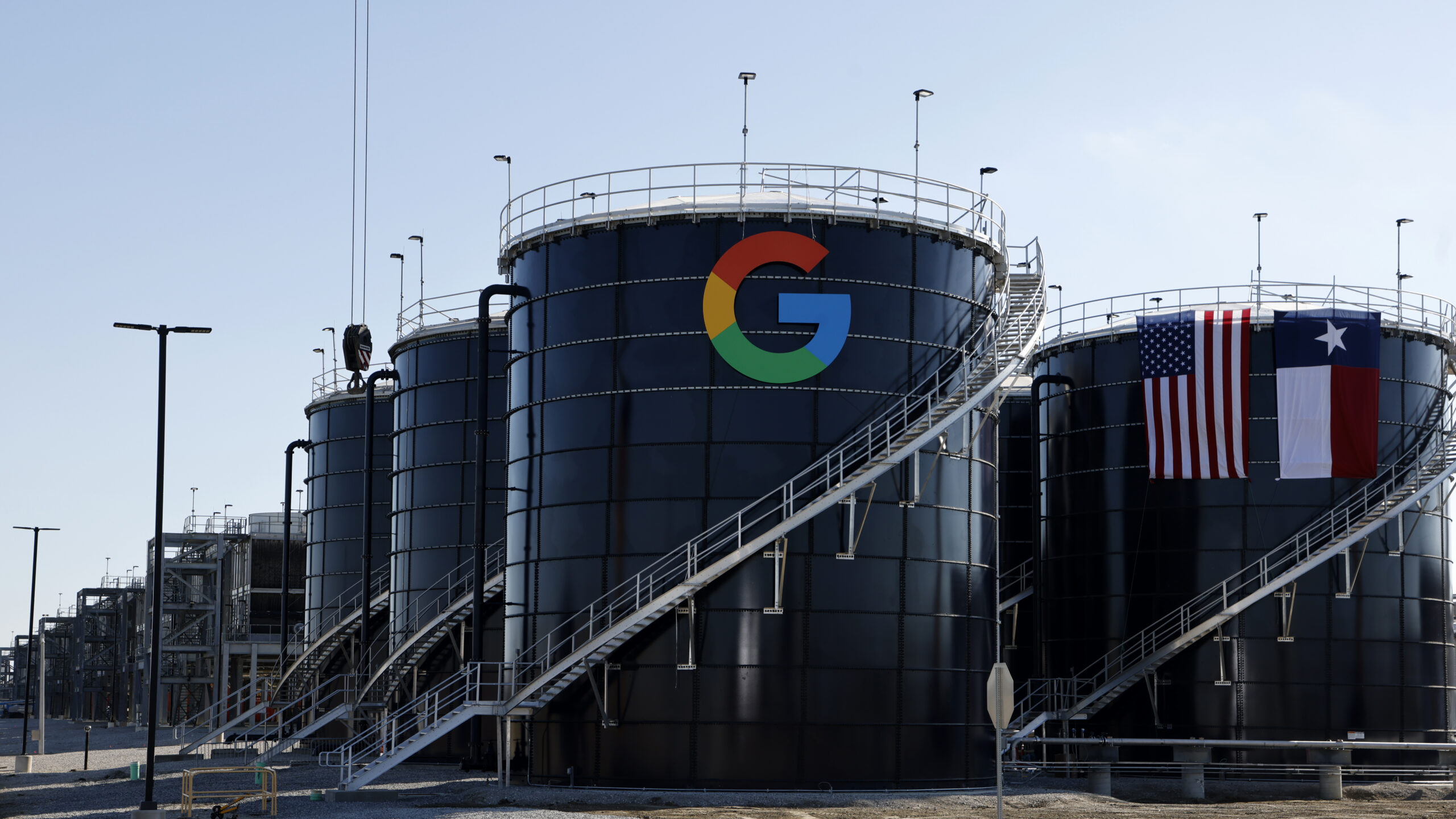
Understand the massive energy costs behind AI scaling and how infrastructure demands are impacting corporate sustainabil
30-Second TL;DR
What Changed
Google's electricity consumption rose by 37% in 2025 due to AI infrastructure scaling.
Why It Matters
This trend underscores the growing tension between AI scaling and corporate ESG goals. Practitioners should anticipate higher operational costs and potential regulatory scrutiny regarding the carbon footprint of large-scale model training.
What To Do Next
Audit your model's inference efficiency and consider using smaller, distilled models to reduce the energy footprint of your production workloads.
Key Points
- •Google's electricity consumption rose by 37% in 2025 due to AI infrastructure scaling.
- •The surge highlights the significant energy cost of maintaining large-scale AI operations.
- •Google is actively seeking strategies to reconcile AI growth with environmental sustainability goals.
Deep Insight
AI-generated analysis for this event — not the original article.
Enhanced Key Takeaways
- •Google's 2025 energy surge is largely attributed to the deployment of next-generation TPU v6 clusters and the integration of multimodal Gemini models into core search infrastructure.
- •The company has shifted its strategy toward 'carbon-aware' computing, which dynamically shifts non-urgent AI training workloads to times and locations with higher renewable energy availability.
- •Google has significantly increased its investment in Power Purchase Agreements (PPAs) for geothermal and advanced nuclear energy to offset the baseload power requirements of its AI data centers.
- •Water consumption for cooling AI-specific data centers has risen in tandem with electricity usage, leading to new localized regulatory scrutiny in regions like the Pacific Northwest and Iowa.
- •The 37% increase in energy consumption has forced Google to revise its '24/7 carbon-free energy' goal, acknowledging that AI scaling makes achieving this target by 2030 significantly more challenging.
Competitor Analysis
- Google (Alphabet)
- Geothermal & Nuclear PPAs
- Microsoft (OpenAI)
- SMR (Small Modular Reactor) Partnerships
- Amazon (AWS)
- Renewable Energy Credits & Wind/Solar
- Google (Alphabet)
- Custom TPU v6 / Axion CPUs
- Microsoft (OpenAI)
- Custom Maia 100 / Cobalt CPUs
- Amazon (AWS)
- Custom Trainium2 / Inferentia2
- Google (Alphabet)
- Integrated ESG/Sustainability Reports
- Microsoft (OpenAI)
- Carbon Negative by 2030 Goal
- Amazon (AWS)
- Net-Zero Carbon by 2040 Goal
| Feature | Google (Alphabet) | Microsoft (OpenAI) | Amazon (AWS) |
|---|---|---|---|
| Primary Energy Strategy | Geothermal & Nuclear PPAs | SMR (Small Modular Reactor) Partnerships | Renewable Energy Credits & Wind/Solar |
| AI Infrastructure | Custom TPU v6 / Axion CPUs | Custom Maia 100 / Cobalt CPUs | Custom Trainium2 / Inferentia2 |
| Sustainability Reporting | Integrated ESG/Sustainability Reports | Carbon Negative by 2030 Goal | Net-Zero Carbon by 2040 Goal |
Technical Deep Dive
- TPU v6 Architecture: Utilizes a high-bandwidth interconnect (ICI) that reduces energy overhead per FLOP compared to previous generations.
- Liquid Cooling Implementation: Google has retrofitted over 60% of its existing AI-focused data centers with advanced liquid cooling systems to manage the higher thermal design power (TDP) of next-gen AI accelerators.
- Model Distillation: Google is increasingly using smaller, distilled versions of Gemini for latency-sensitive tasks to reduce the total compute-per-query energy footprint.
- Load Balancing: Implementation of 'Carbon-Intelligent' scheduling algorithms that prioritize data centers powered by wind and solar grids in real-time.
Future ImplicationsAI analysis grounded in cited sources
Timeline
- 2021-09Google announces goal to operate on 24/7 carbon-free energy by 2030.
- 2023-07Google reports a 20% increase in water consumption due to AI data center cooling needs.
- 2024-05Google releases its Environmental Report showing a 13% rise in GHG emissions since 2019, citing AI growth.
- 2025-03Google announces major investment in advanced geothermal energy projects to support data center expansion.
Weekly AI Recap
Read this week's curated digest of top AI events →
Related Updates



AI-curated news aggregator. All content rights belong to original publishers.
Original source: Ars Technica AI ↗
This is a summary, not the original. Read the source, or get the weekly briefing.
The weekly digest
One email a week. Unsubscribe anytime.