Latest Healthcare AI News & Updates
Diagnostics, clinical documentation and drug discovery β where AI meets medicine, with patient safety on the line.
187 articles
Where AI Infrastructure Budgets Go Over
Wasabi Technologies published survey findings on AI adoption among healthcare institutions. The survey highlights that IT infrastructure consumes roughly 70% of AI budgets, raising concerns about infrastructure cost overruns.
China's First Commercial Brain-Computer Interface Implant
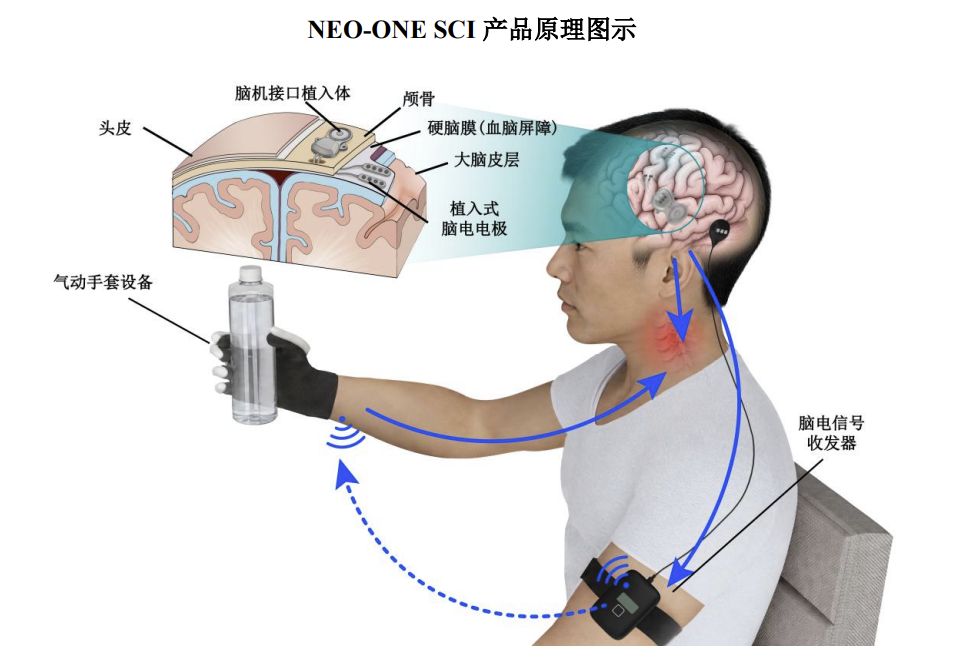
The NEO-ONE SCI brain-computer interface system has completed its first commercial implantation in China, offering a new rehabilitation path for spinal cord injury patients. It uses epidural signal acquisition to control external devices for hand movement.
Unitree G1 humanoid robot performs first live surgery
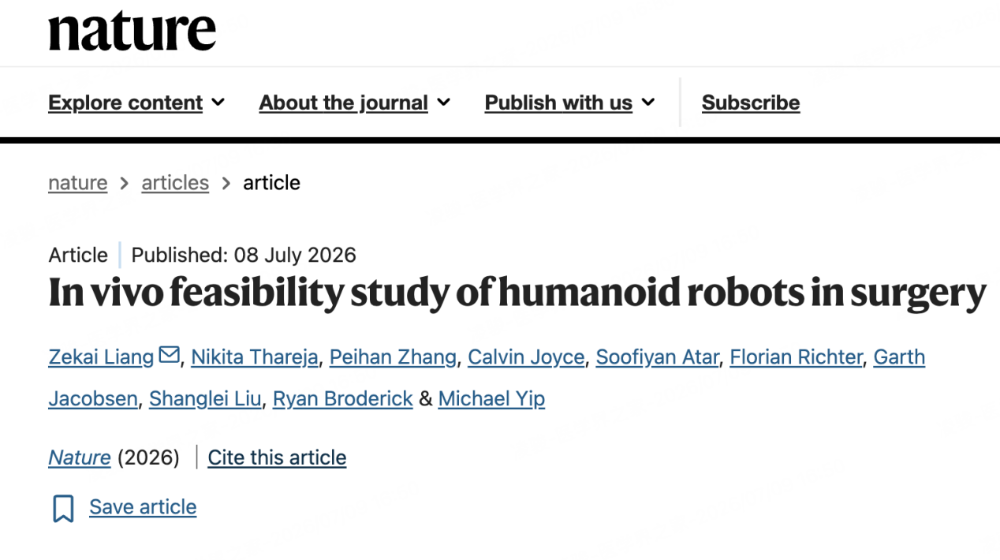
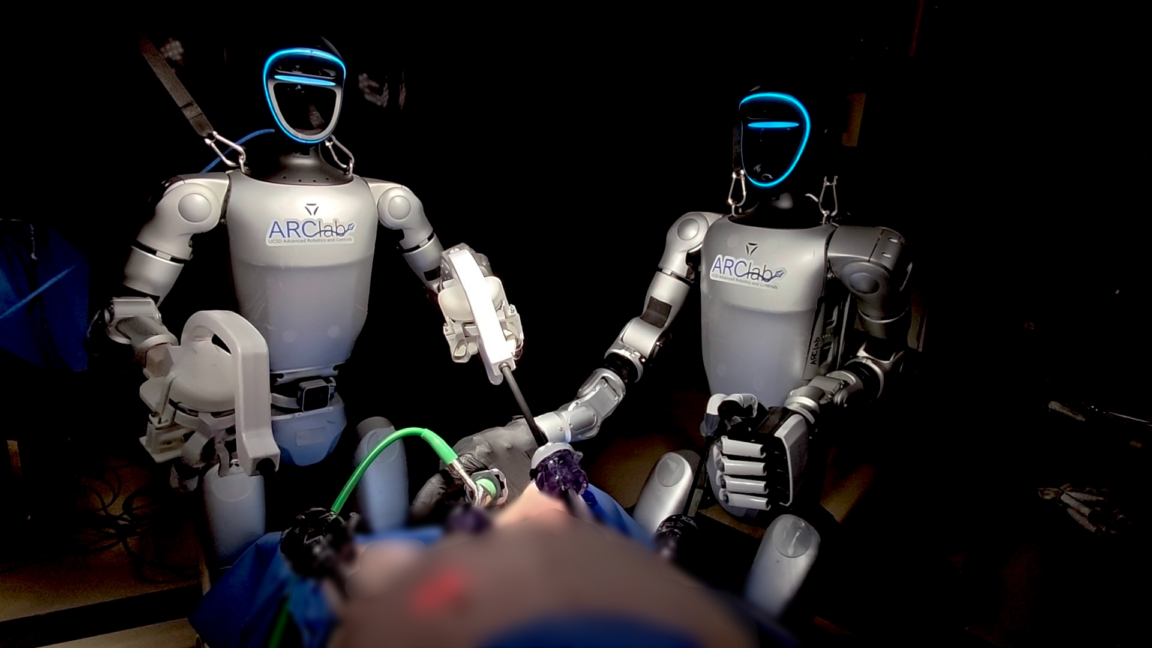
Researchers at UC San Diego used a Unitree G1 humanoid robot to perform a laparoscopic cholecystectomy on live pigs. This study, published in Nature, evaluates the feasibility of using general-purpose humanoid robots in surgical environments.
High schooler uses AI to screen autism via retina scans
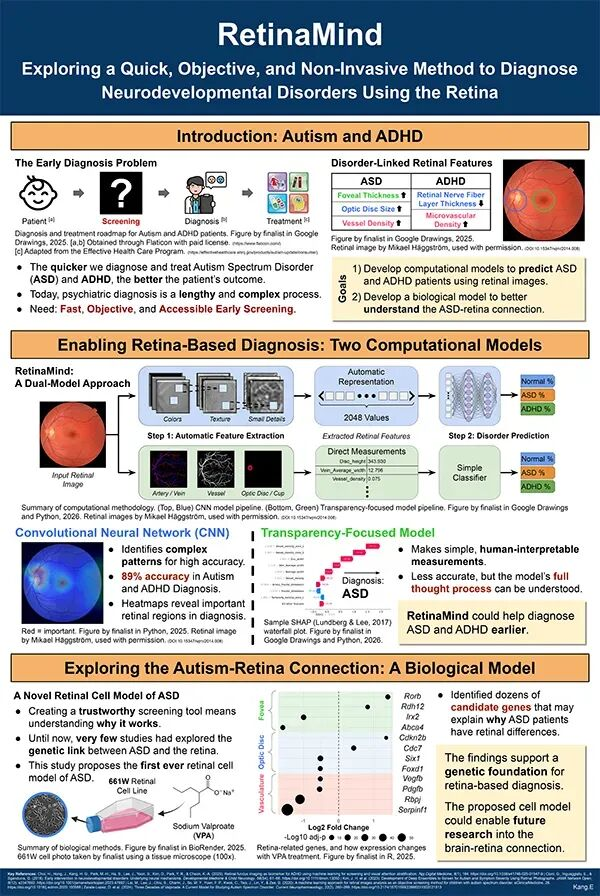
A 17-year-old student developed 'RetinaMind', an AI tool using convolutional neural networks to analyze retinal images for autism and ADHD screening. The project achieved an 89% accuracy rate in tests, demonstrating the potential of AI in neurodevelopmental diagnostics.
AI models match doctors in diagnosis using synthetic patient data
New research published in Nature shows that AI systems can match or outperform human clinicians in diagnosis and treatment planning. However, the study relied on synthetic patient data, highlighting a gap between controlled research and real-world clinical application.
Cambridge team uses AI to develop universal coronavirus vaccine
Researchers at the University of Cambridge have initiated the first human clinical trial for a vaccine with an antigen core entirely designed by AI. The project aims to provide broad protection against current SARS-CoV-2 variants and potential future zoonotic coronaviruses.
CHAI Releases Comprehensive AI Governance Framework for Healthcare
The Coalition for Health AI (CHAI) has released a 228-page governance framework designed to help healthcare institutions manage AI risks, lifecycle, and ethical deployment. The guide provides actionable steps for policy, organizational structure, and third-party vendor management.
OpenAI o1 Beats Doctors in Harvard Trial
A Harvard trial found OpenAIβs o1 model outperformed doctors in emergency triage diagnoses. The results showcase AI's potential as a second-opinion tool in hospitals. This benchmark highlights advanced reasoning capabilities in critical medical scenarios.
Open-Sourced 20GB MedQA 84% LLM
Empirisch Tech open-sourced Chaperone-Thinking-LQ-1.0, a 4-bit GPTQ quantized and QLoRA fine-tuned DeepSeek-R1-32B model hitting 84% on MedQA. It fits in 20GB VRAM on a single L40 GPU with 1.6x faster speed than base. Designed for on-prem healthcare respecting data sovereignty.
Utah Approves First AI Drug Prescriptions
Utah has become the first US state to allow AI to prescribe medicine through a regulatory sandbox. Health tech startup Doctronic launched the first such system, but security firm Mindgard identified risks in their chatbot during testing. The article debates the benefits versus the dangers of relying on state sandboxes for oversight.
Utah OKs AI Psych Drug Prescriptions
Utah launched a one-year pilot allowing Legion Health's AI chatbot to renew certain psychiatric prescriptions without a doctor. Officials claim it cuts costs and addresses shortages; physicians call it opaque and risky. It's the second US instance of such AI clinical authority.
Corti Symphony Tops OpenAI in Med Coding
Corti launches Symphony AI, outperforming OpenAI and Anthropic on medical coding benchmarks. Built on the largest peer-reviewed medical coding study, it treats coding as a reasoning task. Now available via API for clinical note standardization.
Public Hospitals Downsize Bed Capacity Amid Efficiency Shift
Public hospitals in China are significantly reducing bed counts as they shift from expansion to efficiency-driven management. This trend is driven by financial pressures and new payment models like DRG/DIP.
LLM-T1D: Interpretable AI for Closed-Loop Diabetes Control
LLM-T1D combines Reinforcement Learning with LLMs like LLaMA 3.1 and Qwen3 to create a transparent, explainable insulin pump controller. The system achieves high blood sugar control accuracy while providing human-readable justifications for its medical decisions.
Brain implant restores movement for paralysed patient
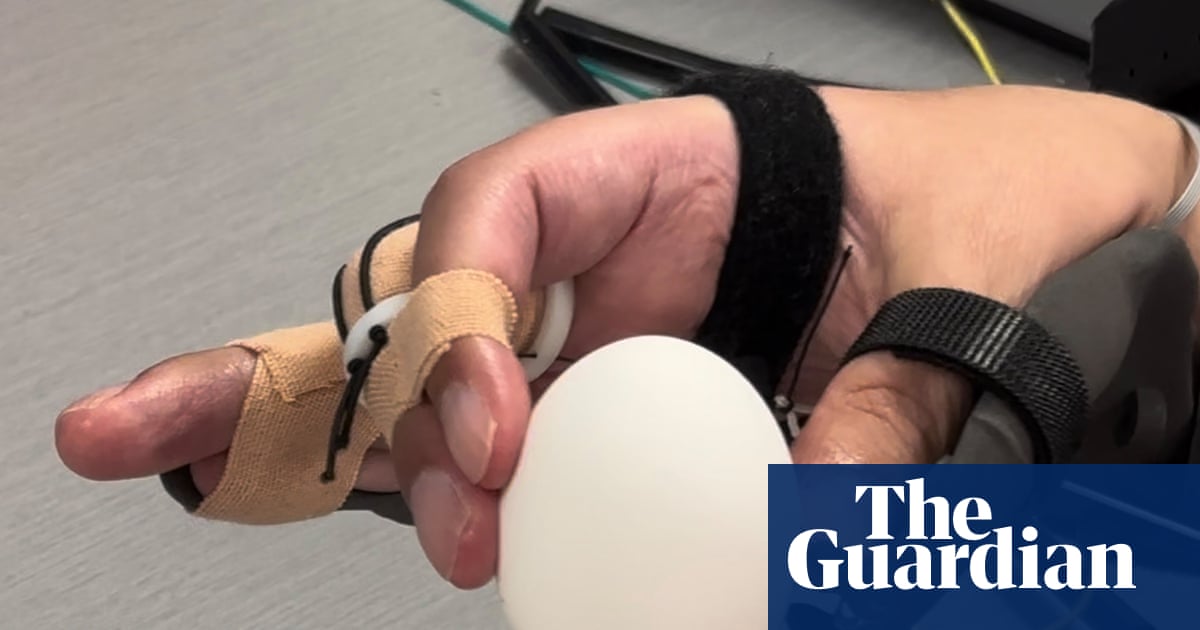
A paralysed man regained the ability to feed himself and drink from a cup after receiving a 'double neural bypass' brain implant. The technology bridges the gap between the brain and the spinal cord, allowing for restored motor control and sensory feedback.
ScienceSoft builds HIPAA-compliant AI voice scheduler on AWS
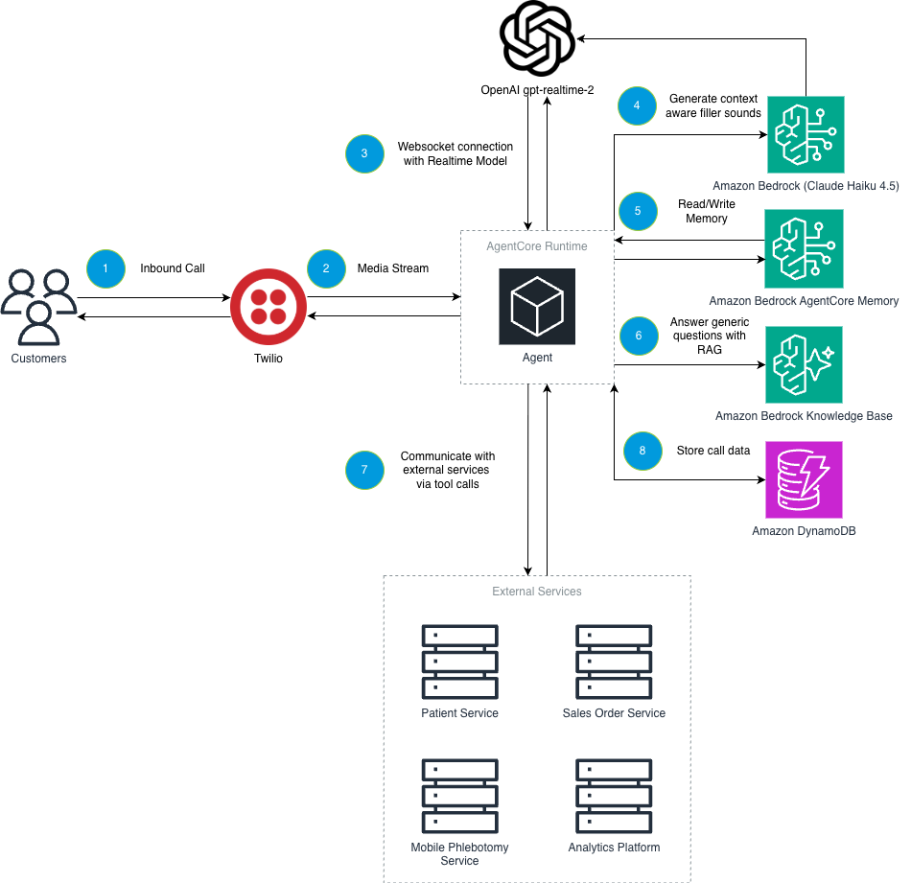
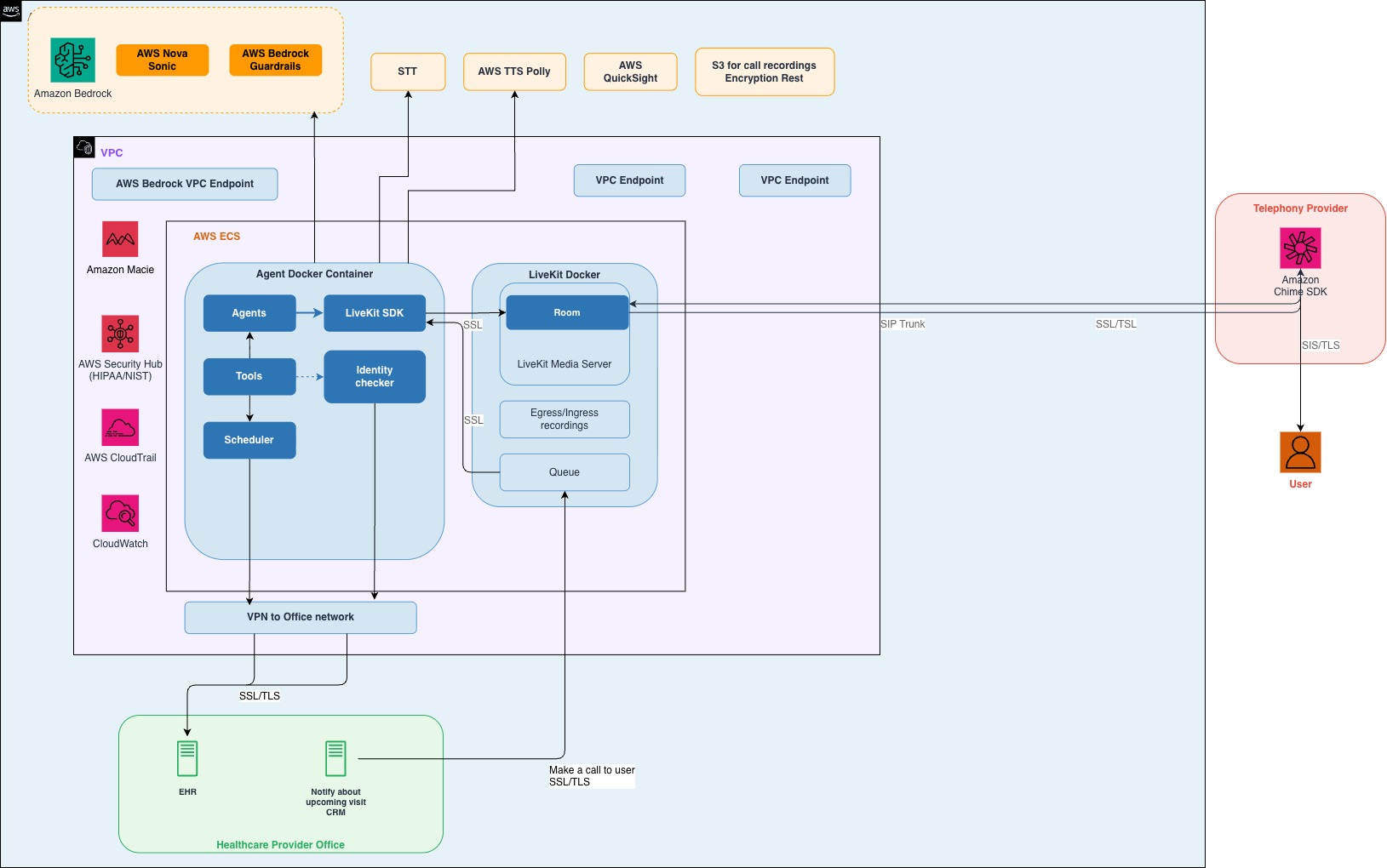
ScienceSoft leveraged Amazon Nova 2 Sonic and Amazon Bedrock Guardrails to develop a secure, HIPAA-compliant AI voice scheduling solution. This architecture demonstrates how to balance automated healthcare workflows with strict privacy and regulatory requirements.
MedRealMM: A New Multimodal Benchmark for Medical Consultations
MedRealMM is a large-scale, real-world multimodal benchmark derived from authentic Chinese clinical consultations. It evaluates LLMs on their ability to handle text-image medical data, highlighting safety and reasoning gaps compared to human physicians.
Survey on LLMs for Medical Reasoning and Clinical Needs
This survey evaluates LLMs in healthcare by mapping clinical competency levels to computational reasoning patterns. It introduces a new benchmark across five reasoning levels and compares 18 state-of-the-art models to identify performance gaps in clinical practice.
Humanoid robots perform world-first surgery on live pigs
Surgeons have successfully utilized humanoid robots to conduct a surgical procedure on live pigs in a preclinical trial. This milestone tests the feasibility of integrating humanoid robotics into complex medical environments.
NIH releases world's largest genomics-and-health database
The NIH has launched a massive dataset pairing over 500,000 human genomes with comprehensive medical records. This resource aims to accelerate precision medicine research despite looming budget constraints.
Agentic AI for Auditable Mental Health Information
Researchers developed a multi-agent framework that integrates regulatory FDA data with patient narratives from Reddit and WebMD. The system uses a Neo4j knowledge graph to maintain provenance, ensuring psychiatric medication information is both context-rich and traceable.
Building Self-Service Health Analytics with AI Agents
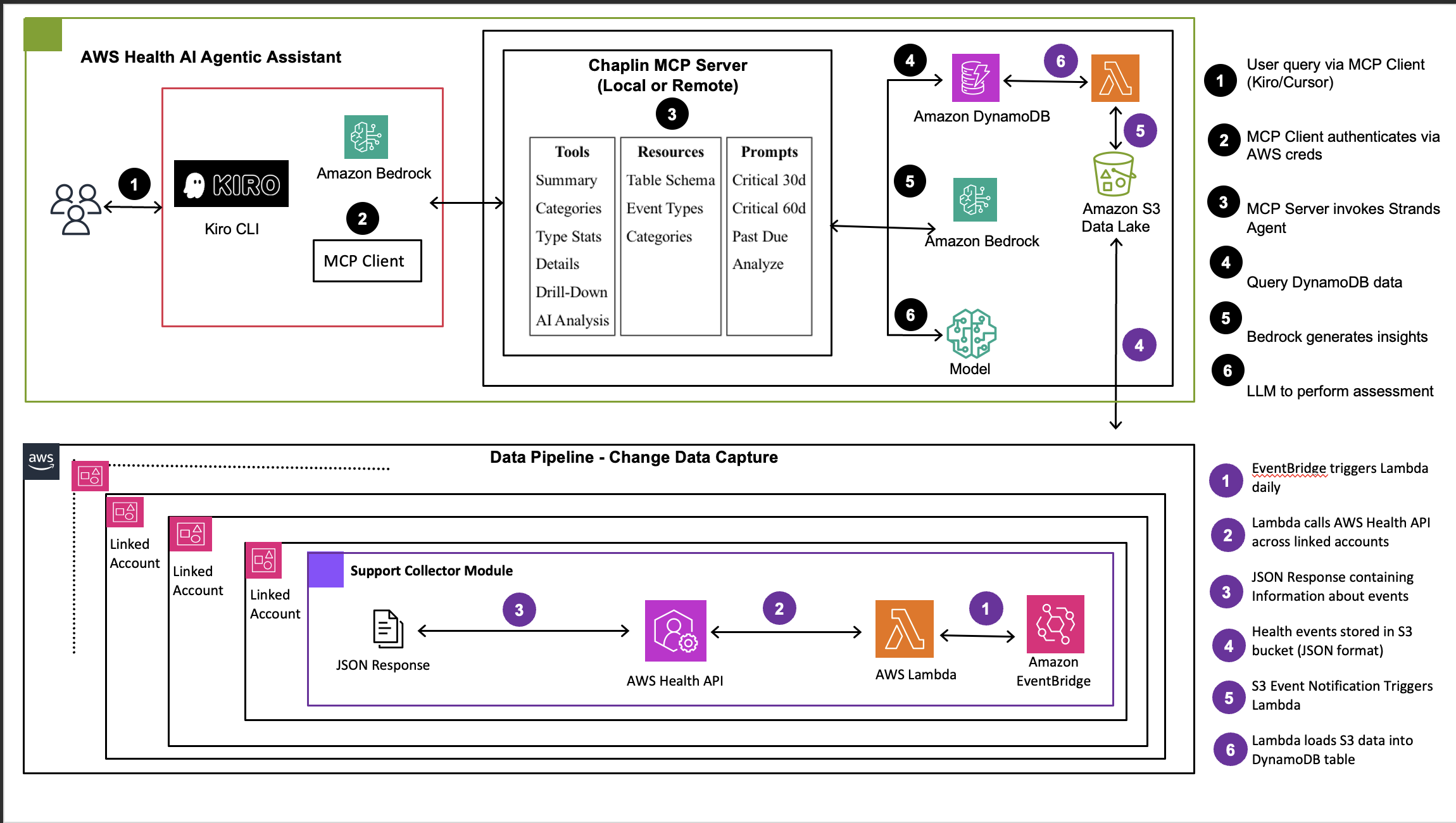
This post introduces Chaplin, an open-source solution that uses AI agents powered by Amazon Bedrock and the Model Context Protocol (MCP) to provide self-service health event analytics.
T2D-Bench: Evidence-Gated Evaluation for Diabetes LLMs
T2D-Bench is a new evaluation framework that uses a multi-layer knowledge graph to verify the clinical accuracy of LLM recommendations for type 2 diabetes. It identifies unsupported clinical omissions and forces compliance with evidence-based guidelines.
UnitedHealthβs $3 Billion AI Push Has Bots Calling Doctors
UnitedHealth Group is investing $3 billion into AI initiatives, including automated medical chart summarization and AI agents that schedule appointments. The technology is being deployed to streamline administrative tasks and improve clinical efficiency.
Agentic RAG for Reliable Clinical Information Extraction
ACIE is an on-premise agentic RAG pipeline designed to handle complex patient contexts and cross-document dependencies in clinical settings. The system achieved a 96.5% clinician acceptance rate across 7,326 extractions, proving the efficacy of agentic reasoning in medical data triage.
Using AI to diagnose rare genetic diseases in children
Researchers successfully utilized an OpenAI reasoning model to assist physicians in diagnosing complex, previously unsolved cases of rare genetic diseases. The study resulted in 18 new confirmed diagnoses, demonstrating the potential of reasoning models in clinical diagnostics.
ALS patient uses brain implant to speak with 99% accuracy
A UC Davis study reports an ALS patient using a brain implant to communicate independently for over 3,800 hours. The system achieved 99% accuracy and allowed the user to work full-time.
NHS England deploys Microsoft 365 Copilot to 505,000 staff
NHS England is launching Microsoft 365 Copilot to over 505,000 staff members, marking the largest healthcare AI deployment globally. This follows a successful pilot program where 30,000 workers reported saving an average of 43 minutes per day on administrative tasks.
Evaluate Clinical ASR Models Faster with NVIDIA Nemotron Speech
NVIDIA introduces a new approach to evaluating clinical Automatic Speech Recognition (ASR) models using Agent Skills and Nemotron Speech. This solution addresses the difficulty of recognizing complex medical terminology, such as drug and procedure names, which often challenge off-the-shelf systems.
Himeji hospital AI chat achieves 90% accuracy in 2 weeks
MediaLink successfully implemented an AI chatbot for a Himeji emergency hospital, achieving 90% accuracy within two weeks. The project highlights the importance of a 'knowledge circulation' framework for effective AI deployment.