All Updates
Page 156 of 907
April 19, 2026
AI Vendors Dodge Vuln Responsibility
AI vendors promote using AI to combat threats but dismiss their own security flaws as 'working as intended.' This opinion piece criticizes their lack of maturity in owning vulnerabilities. It highlights a pattern of passing blame to users in corporate IT environments.
Local LLMs for XQuery-SQL Conversion
Developer seeks best approach to convert XQuery to SQL using local LLMs amid data scarcity. Parsing and prompt engineering failed on complex queries. Considering QLoRA fine-tuning on ~120 samples.
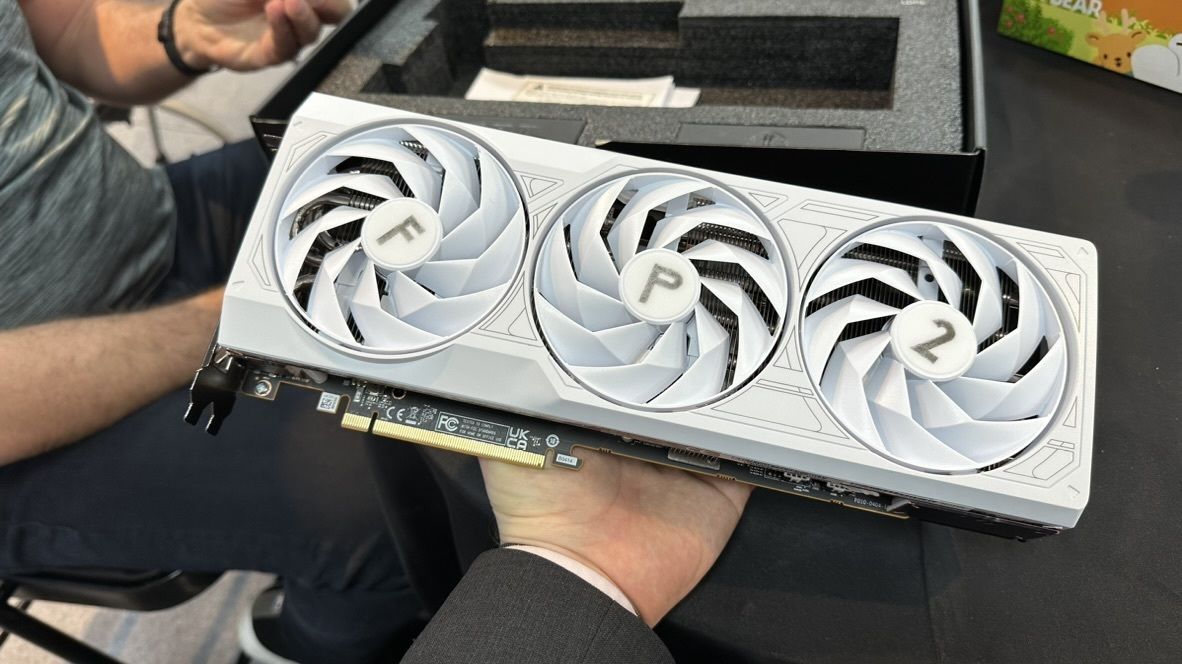
ASRock & ASUS Add DDR5 32-bit HUDIMM Support
Amid DDR5 shortages, ASRock enables 32-bit HUDIMM (single sub-channel) on Intel 600/700/800 motherboards for cheaper half-die modules. ASUS also supports standard 4-chip HUDIMM, allowing mixes with UDIMM for 96-bit width. This addresses high DDR5 prices and boosts adoption.
Kimi Paper Turns KVCache into Business Model
Moonshot AI's Kimi team releases a new paper innovating on KVCache, transforming it into a novel commercial model. This breakthrough is positioned as a boon for handling ultra-long contexts in LLMs. The approach promises efficiency gains in extended inference scenarios.
Gaode Unveils AGI Embodied Tech Stack
Gaode (Amap) publicly releases its first full-stack embodied technology system aimed at AGI. The system dominates 15 global SOTA benchmarks. It signals rapid convergence as embodied AI infrastructure matures.
Next Era: Flash Depth & Hybrid Attention
Explores the next phase of large model architectures with Flash Depth Attention and hybrid depth attention. These mechanisms enable deeper scaling of LLMs. Focuses on extensions for massive model depths.
Recommending last year's phones over 2026 models
The author recommends older models like Google Pixel 10 and Samsung Galaxy S25 Plus over 2026 smartphones. These last-year phones are now more appealing than ever. One exception is highlighted.
Gemini setting boosts personal AI accuracy
Enabling Personal Intelligence in Gemini connects Google apps for highly personalized results. It makes AI anticipate user needs without explicit prompts. Outcomes are more accurate and intuitive.
SOTA Models Struggle with Enterprise Tasks
Databricks SVP David Meyer states that state-of-the-art AI models excel at complex tasks like Olympiad maths but falter on basic enterprise duties. The advanced traits enabling their prowess create issues in everyday office work, such as identification tasks.
Inside Canva AI 2.0 with CPO Cameron Adams
Exclusive interview with Canva's CPO Cameron Adams reveals inside details of Canva AI 2.0. It discusses transformative changes in design processes and productivity. The update redefines what it means to excel in creative crafts.
Tier-3 Student's ML Papers Job Impact
Tier-3 ISE final-year student with TMLR/NeurIPS-targeted papers asks about India job shortlisting and offsetting college tier. Wonders if research beats DSA for ML roles or aids MS/PhD abroad. Seeks honest advice on research vs. dev skills.
Robots Surpass Elite Humans in One Year
In one year, robots evolved from 'marathon jokes' to outperforming the strongest humans in speed. The article questions when these robots will handle practical tasks beyond running.
Robot Wins Marathon Over Human, But Human Limits Prevail
A robot outperformed a human in a marathon race. However, the article argues that human limitations are not flaws but the foundation for wisdom, leading to choice, responsibility, morality, and civilization. Robots' infinite capabilities cannot replicate this human essence.
AI Advances: Humans Redefine Worth
Generative AI powered by large language models enables natural language communication with computers for the first time. AI agents can now perform intelligent tasks requiring advanced reasoning and complex logic. Vibe coding allows laypersons to use AI for programming, enabling one-person companies with AI agents.
Gemma 4: MLX Trails GGUF on M1 Max
A user benchmarked google/gemma-4-26b-a4b in MLX and GGUF formats on M1 Max hardware with a 3k-token prompt. GGUF showed faster prompt processing (4.28s vs 6.32s) and similar tokens/sec, plus better parallel support. No clear MLX performance edge observed.
Google A2UI 0.9 Standardizes AI Agent UIs
Google launched A2UI 0.9, a generative UI design standard enabling AI agents to build UI elements from existing app components. It includes a shared Web core library, official React renderer, updates for Flutter/Lit/Angular, and a new Python Agent SDK. Future plans include Go/Kotlin versions plus client-server sync and improved error handling.
DeepSeek Urged to Retrace Steps
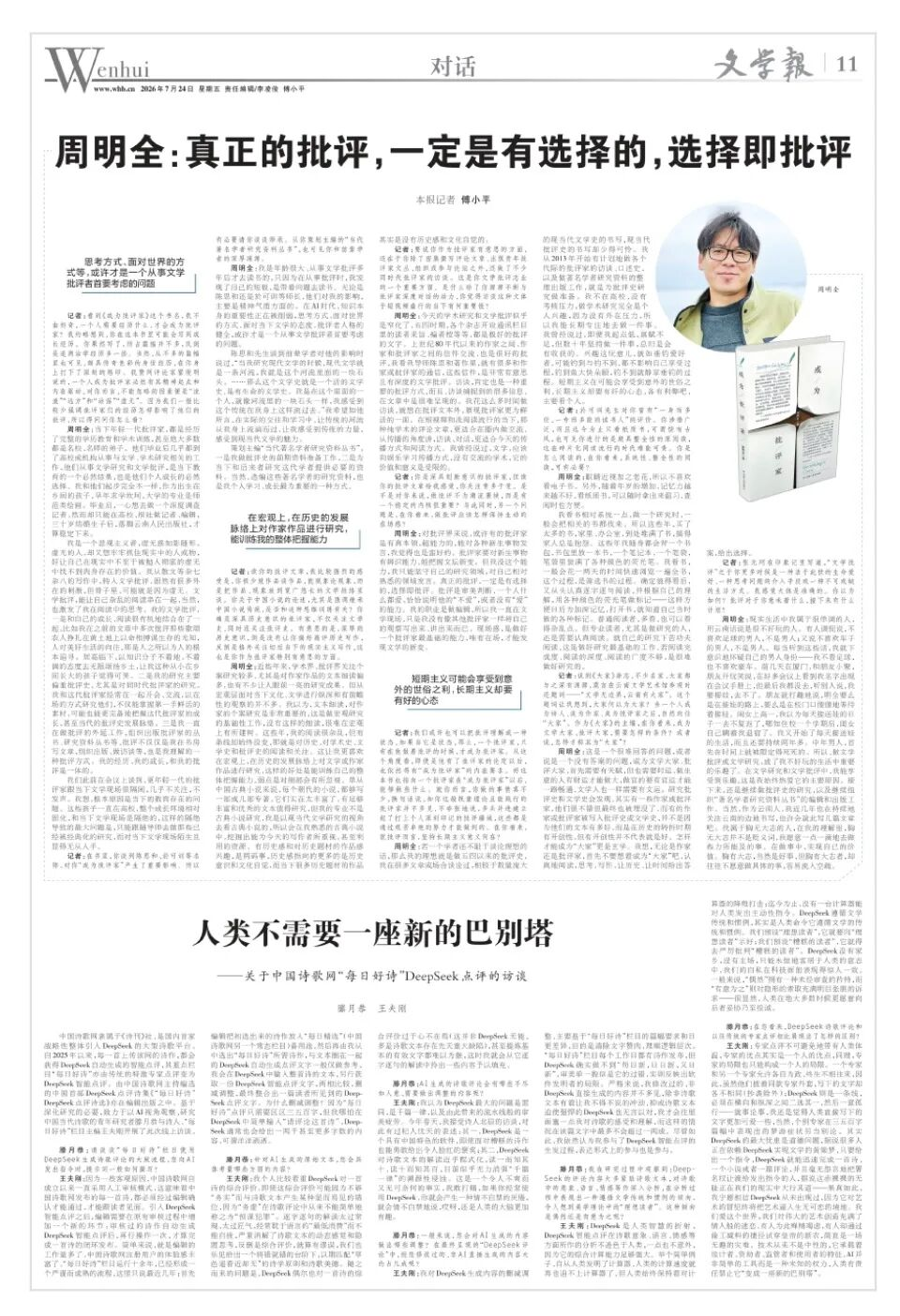
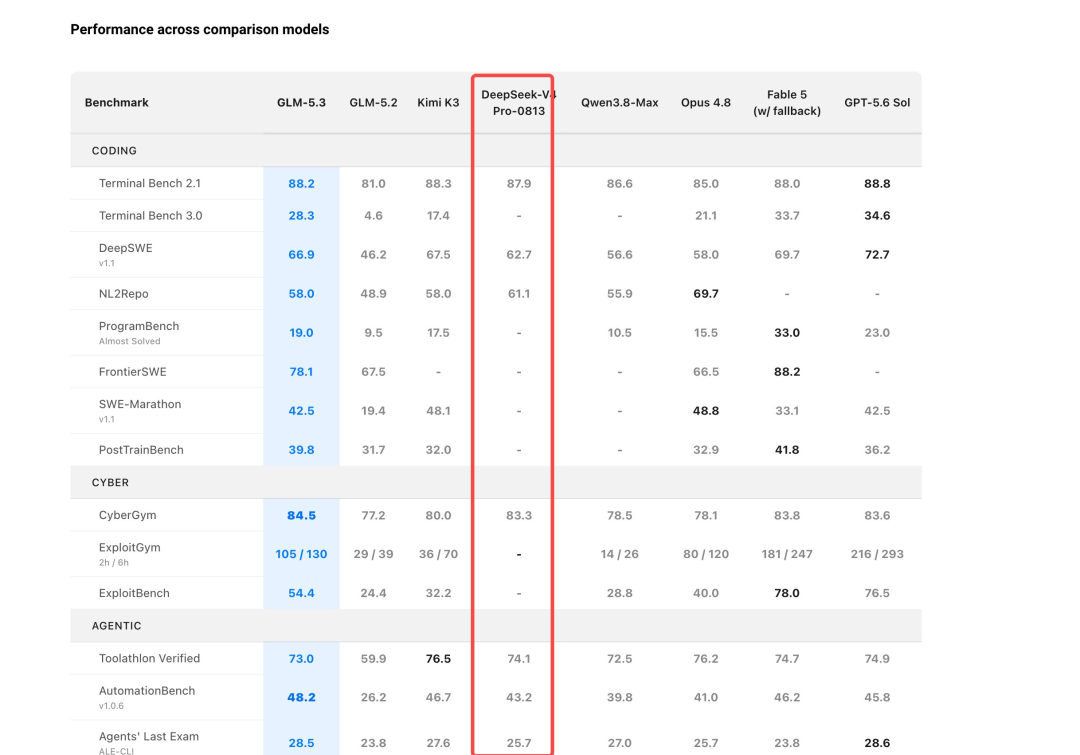
The article opines that DeepSeek should return to its original path amid potential overextension. It expresses concern for founder Liang Wenfeng, advising against overburdening him. This reflects worries about the company's direction.
ASML: Memory EUV Orders Top Logic First
ASML reports EUV orders for memory chips have surpassed logic chips for the first time amid booming demand. The company is ramping up investments in AI-driven infrastructure. Advanced logic and storage chip supplies will stay limited.
College Grads Hate AI Most Paradox
Despite high AI usage among teens and Z gen, college graduates show strongest anti-AI sentiment. Pew data: 54% US teens use ChatGPT for schoolwork. Gallup report: 51% of 14-29 year-olds use AI daily or weekly.
V100 Prompt Speeds for Agentic Coding
User optimizes 4x V100 GPUs for Qwen3 but faces slowdowns at long contexts without flash attention. Seeks community input on acceptable prompt processing speeds and context lengths for agentic coding workflows. Discussion in r/LocalLLaMA.