GPU Prices Poised to Rise as Budget Cards Disappear
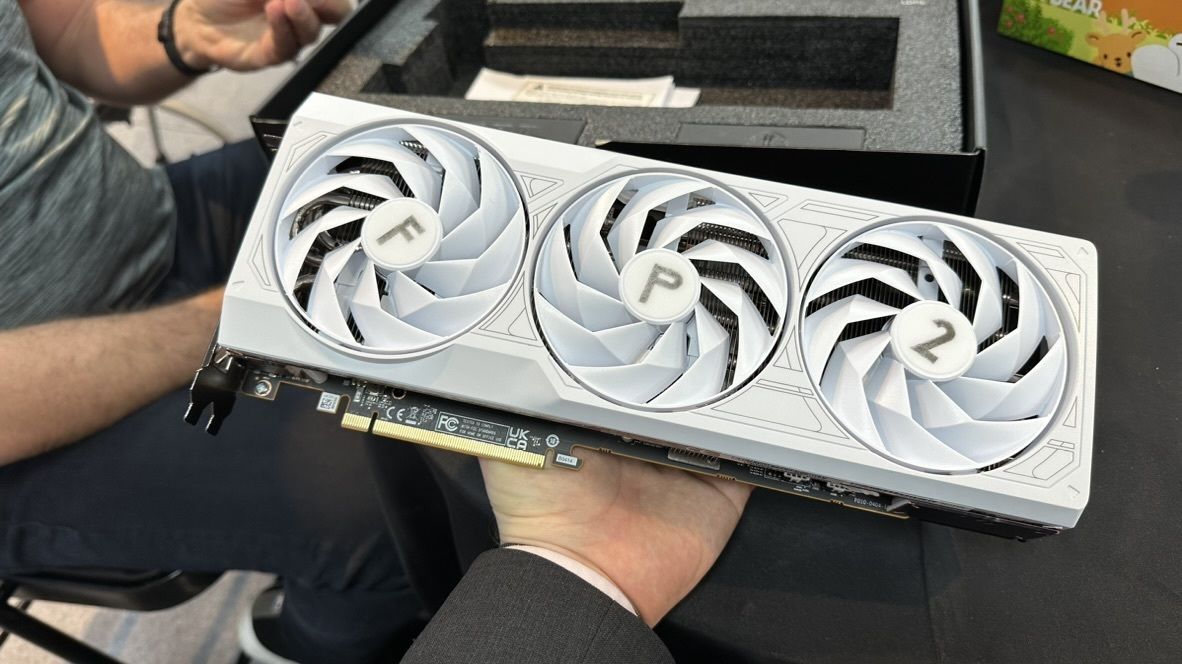
💡Budget GPU shortages could raise the cost of local inference and AI experimentation in 2026.
⚡ 30-Second TL;DR
What Changed
PC Partner expects graphics card prices to rise further in H2 2026.
Why It Matters
Higher GPU prices could increase the cost of local model inference, fine-tuning, and AI experimentation, particularly for small teams relying on budget hardware. Persistent entry-level shortages may also push developers toward cloud GPU rentals or longer hardware refresh cycles.
What To Do Next
Recalculate your 2026 AI hardware budget now and compare purchasing an entry-level GPU with reserving equivalent cloud GPU capacity.
Key Points
- •PC Partner expects graphics card prices to rise further in H2 2026.
- •Higher memory costs and tighter supply are cited as the main pressures.
- •Entry-level graphics cards are expected to experience the largest price impact.
- •Jon Peddie argues that manufacturers may be increasing prices beyond their direct memory-cost increases.
🧠 Deep Insight
AI-generated analysis for this event.
🔑 Enhanced Key Takeaways
- •PC Partner, the parent company of Zotac, recently completed a significant corporate restructuring involving a relocation of its headquarters to Singapore to mitigate geopolitical risks and supply chain volatility.
- •The memory cost surge is primarily driven by the aggressive allocation of HBM3e and GDDR7 production capacity toward AI-focused data center GPUs rather than consumer-grade gaming hardware.
- •Market data indicates that entry-level GPU inventory levels have dropped by approximately 22% year-over-year as manufacturers prioritize higher-margin enthusiast and workstation silicon.
- •The shift toward GDDR7 memory, while offering significant bandwidth improvements, has introduced higher manufacturing complexity and lower initial yield rates compared to the mature GDDR6/6X processes.
- •Industry analysts note that the 'budget' segment is being cannibalized by integrated graphics improvements in modern CPUs, leading OEMs to reduce production volume for low-end discrete cards.
🛠️ Technical Deep Dive
- GDDR7 memory architecture utilizes PAM3 signaling to achieve higher data rates per pin compared to the NRZ signaling used in GDDR6.
- The transition to GDDR7 requires new PCB designs with improved signal integrity management, increasing the bill of materials (BOM) cost for entry-level cards.
- HBM3e integration in high-end cards consumes significant wafer capacity at foundries like TSMC, indirectly limiting the available capacity for standard GDDR memory production lines.
🔮 Future ImplicationsAI analysis grounded in cited sources
⏳ Timeline
Weekly AI Recap
Read this week's curated digest of top AI events →
👉Related Updates

AI-curated news aggregator. All content rights belong to original publishers.
Original source: Tom's Hardware ↗