RTX 2080 Ti Upgraded to 22GB for $282
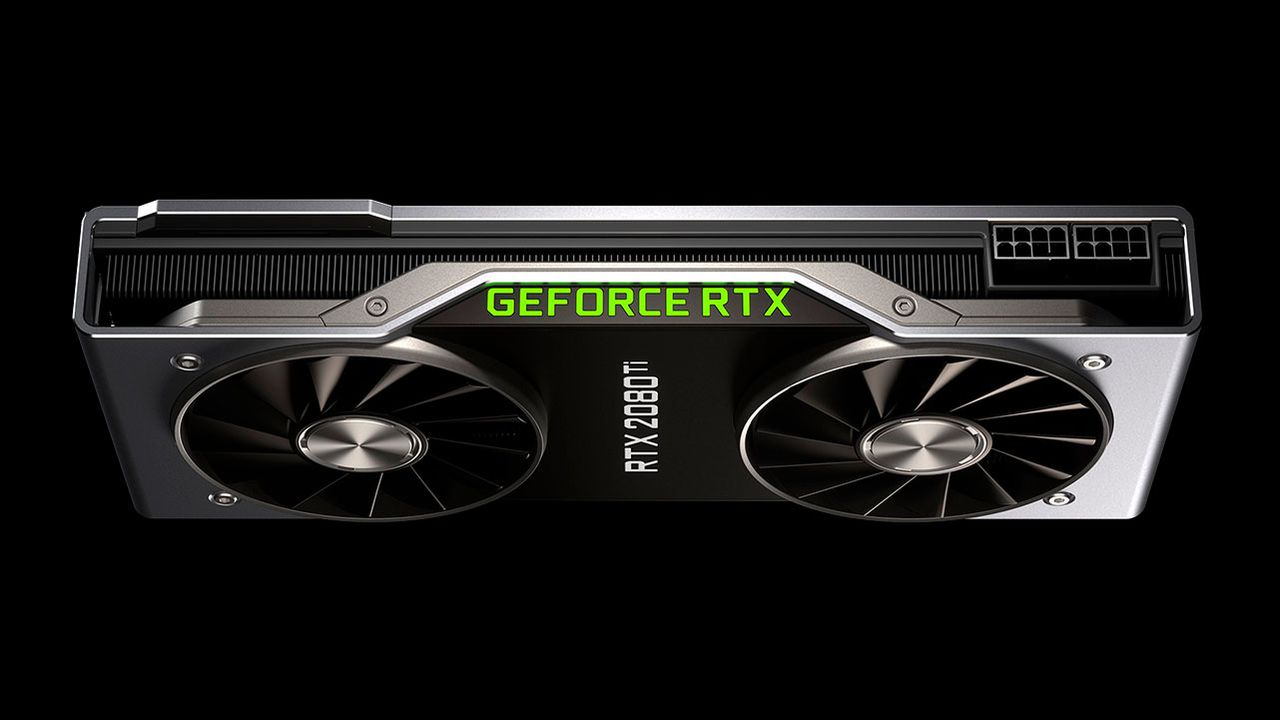
💡A sub-$300 VRAM mod could make an older RTX 2080 Ti useful for budget local AI inference.
⚡ 30-Second TL;DR
What Changed
The vendor charges approximately $25 per gigabyte for GPU VRAM upgrades.
Why It Matters
The modification could provide budget-conscious developers with more VRAM for larger models, batch sizes, or context windows. However, repair quality, firmware compatibility, memory stability, cooling, and warranty coverage should be verified before using the card in production.
What To Do Next
Before ordering the mod, run your target model in CUDA on an RTX 2080 Ti and confirm VRAM capacity, driver support, and performance requirements with the repair vendor.
Key Points
- •The vendor charges approximately $25 per gigabyte for GPU VRAM upgrades.
- •An RTX 2080 Ti can reportedly be modified from its original capacity to 22GB of GDDR6.
- •The cited upgrade costs about $282, keeping the total modification below $300.
- •More VRAM may improve the card's suitability for local AI inference and experimentation.
🧠 Deep Insight
AI-generated analysis for this event.
🔑 Enhanced Key Takeaways
- •The modification process requires replacing the original 1GB GDDR6 modules with 2GB modules and modifying the GPU's BIOS/strapping resistors to recognize the increased capacity.
- •These modifications are primarily performed by specialized third-party repair shops in regions like Japan and China, often involving manual soldering and board-level rework.
- •The RTX 2080 Ti's TU102 GPU architecture supports memory capacity expansion because the memory controller can address higher density chips if the board layout and BIOS are correctly configured.
- •While VRAM capacity increases, the memory bandwidth remains limited by the original 352-bit bus width, meaning performance in bandwidth-heavy tasks does not scale linearly with capacity.
- •Such modifications void all manufacturer warranties and carry significant risks of permanent hardware failure due to the complexity of desoldering and reballing high-density memory chips.
🛠️ Technical Deep Dive
- The RTX 2080 Ti utilizes the TU102-300A-K1-A1 GPU, which features a 352-bit memory interface.
- Standard 2080 Ti cards use 11 modules of 1GB GDDR6 (8Gb density) to reach 11GB total.
- Upgrading to 22GB involves installing 11 modules of 2GB GDDR6 (16Gb density) chips.
- Successful implementation requires BIOS modification to update the memory training parameters and ensure the GPU firmware correctly identifies the new density.
- The modification is limited by the physical PCB layout, which must support the specific pinout and signal integrity requirements of the higher-density memory modules.
🔮 Future ImplicationsAI analysis grounded in cited sources
⏳ Timeline
Weekly AI Recap
Read this week's curated digest of top AI events →
👉Related Updates


AI-curated news aggregator. All content rights belong to original publishers.
Original source: Tom's Hardware ↗