Latest UX & Design News & Updates
Generative UI, AI design tools and the changing craft of designing interfaces in the AI era.
113 articles
Foldable phones are finally reaching maturity
Recent foldable smartphone releases have reached a level of usability that encourages long-term adoption. The industry is poised for significant market growth in the coming year.
Mercedes-Benz CEO: Physical buttons returning to vehicle interiors
Mercedes-Benz CEO Ola Källenius announced a shift in design strategy, acknowledging that the industry's trend of replacing all physical buttons with touchscreens has gone too far. The company plans to reintroduce physical controls for key functions to improve user experience and safety.
New Framework Optimizes Websites for AI Web Agents
This research introduces an 'agent-ready' design framework to improve website readability and actionability for AI browser agents. Experiments show that implementing these structural enhancements significantly increases agent success rates in e-commerce tasks.
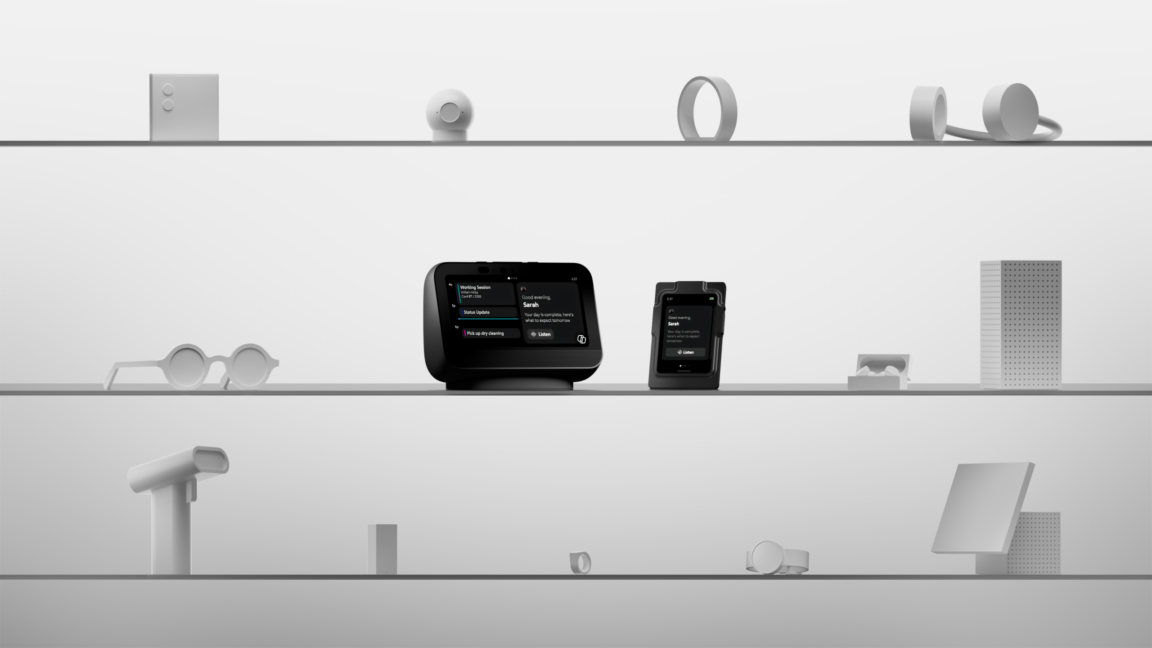
First AI Agent phone to debut at 2026 WAIC
The world's first AI agent phone is set to be showcased at the 2026 World Artificial Intelligence Conference. Experts note that while it marks a milestone, mass adoption faces hurdles in privacy, technical validation, and business model alignment.
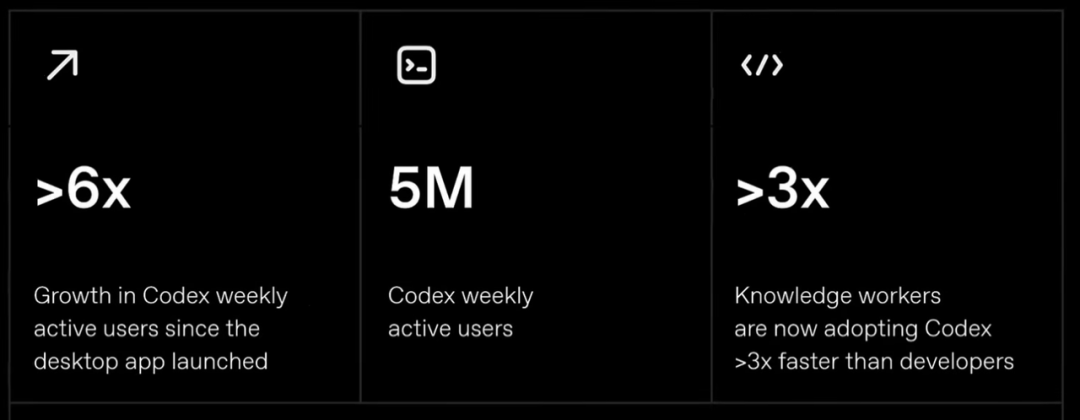
OpenAI leader on Codex-ChatGPT merger and product design
Andrew Ambrosino discusses the rapid growth of Codex and its integration with ChatGPT, highlighting how AI has shifted the cost of software development from 'implementation' to 'curation' and 'taste'. The interview emphasizes that product success in the AI era depends on timing model capabilities with user experience.
Alipay Launches Radical AI-Powered Conversational Revamp
Ant Group is testing a major overhaul of Alipay, shifting from a traditional app-based interface to a conversation-driven AI experience. This represents the most significant transformation for the payment platform in two decades.
Microsoft's Project Solara: An Android OS for AI Agents
Microsoft is reportedly developing Project Solara, a new Android-based operating system architecture. The project aims to shift the computing paradigm from traditional app-centric interfaces to agent-centric workflows.
Microsoft 365 Copilot gets speed boost and UI redesign
Microsoft has updated 365 Copilot with a cleaner interface and performance improvements that reportedly double the loading speed. The update introduces 'progressive disclosure' to streamline user interaction and adds inline text formatting.
Google Redesigns Search Box for Multimodal AI Conversations
Google has overhauled its 25-year-old search box, transforming it from a keyword-based input into a dynamic, multimodal interface that supports text, images, PDFs, and videos. The update integrates AI Overviews and AI Mode into a single, seamless flow to encourage more complex, conversational queries.
Apple's iOS 27 to Deeply Integrate AI and Siri
iOS 27 is expected to feature a major AI overhaul, with Siri evolving into a conversational chatbot and deep integration of Apple Intelligence across first-party apps like Camera and Photos.
Alibaba integrates Qwen AI agent into Taobao marketplace
Alibaba has integrated its Qwen AI assistant into the Taobao marketplace, replacing traditional keyword search with conversational AI shopping. This move allows users to navigate a catalog of over four billion products using natural language queries.
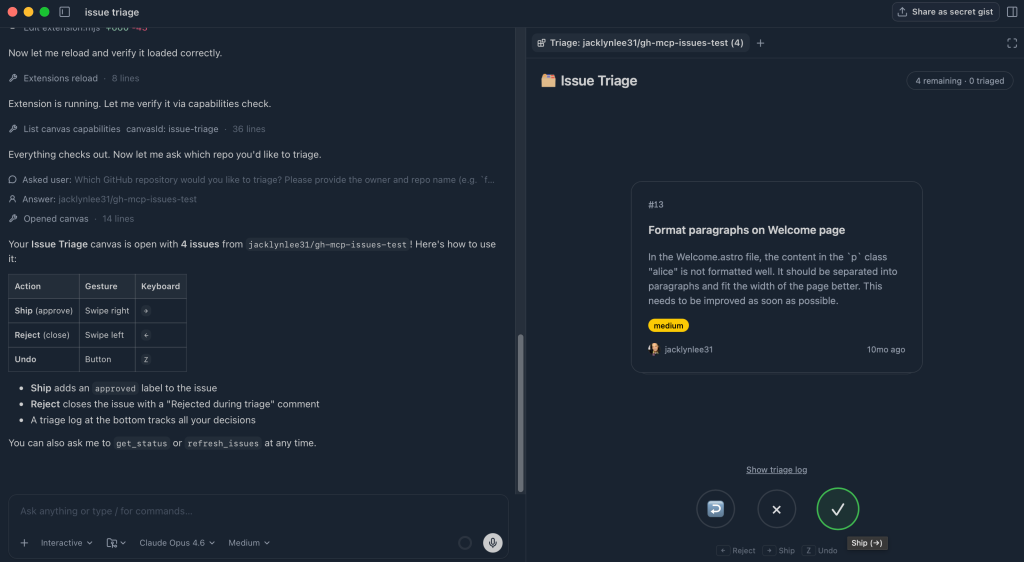
Building interactive AI workspaces with GitHub Canvases
GitHub introduces Canvases, a new feature designed to transform AI interactions into persistent, interactive workspaces. This tool allows users to visualize information, manage complex workflows, and execute tasks directly within the interface.
Spotify launches conversational AI for personalized music control
Spotify has introduced a conversational AI feature for Premium users, allowing them to control playback and discover music through natural language input. The beta is currently rolling out in the US, Ireland, and Sweden.
Microsoft Removes Edge Drop Feature to Prioritize Copilot
Microsoft is removing the Drop file-sharing feature from the Edge browser as part of a strategic shift to focus on Copilot. The browser's interface is being redesigned to align with the Copilot ecosystem.
Pinterest launches experimental AI shopping app 'Ask Pinterest'
Pinterest has introduced 'Ask Pinterest,' an experimental AI-powered shopping tool. The app uses a conversational interface to help users discover products and find inspiration.
OpenAI continues development of its rumored 'super app'
OpenAI is reportedly shifting its product strategy away from simple chat interfaces toward a more comprehensive 'super app' experience. A senior employee suggests that the traditional chat-based interaction model may be reaching its limitations.
Hinge integrates AI to combat Gen Z dating loneliness
Hinge is deploying AI-driven profile coaching and conversation prompts to assist Gen Z users in social interaction. The initiative aims to bridge the gap caused by declining in-person social engagement.
Amazon Introduces AI-Generated Images in Search Results
Amazon is integrating AI-generated images into its search interface to assist users in visualizing products based on search intent. This move has sparked controversy regarding the utility and authenticity of non-existent product representations in e-commerce.
Study Finds Data Opt-Out Forms Designed to Fail
A new report reveals that 38 major data collectors, including AI and defense firms, utilize manipulative design patterns in their opt-out forms. These 'dark patterns' are intended to confuse users and hinder their ability to protect personal data.
Redefining the 'Driver' as 'Controller' in AI Vehicles
As autonomous driving technology evolves, the role of the human operator is shifting from active driving to high-level system management, necessitating a fundamental redesign of HMI (Human-Machine Interface).
AI Personas: Why Users Prefer 'Lazy' AI
The article explores the emerging trend of assigning 'personas' to AI models, noting that users increasingly value emotional resonance and 'human-like' traits over pure efficiency.
Google Testing Voice Customization for Gemini
Google is developing new voice customization features for Gemini, allowing users to adjust energy, warmth, formality, and speaking speed. This update aims to provide a more personalized and natural interaction experience.
Conversational commerce fails to gain traction in China
The concept of buying products directly within chat interfaces, heavily promoted by Silicon Valley and Wall Street, has failed to gain significant traction in the Chinese consumer market. Despite the hype, it has not achieved the expected adoption among local users.
The Frustrating Reality of AI-Driven Customer Service
The article critiques the increasing reliance on AI chatbots in customer service, arguing that they often fail to solve complex problems. Instead of improving efficiency, these systems frequently create a frustrating 'chatbot hell' for users.
Telegram Adds Rich Text Editor and Enhanced Bot Features
Telegram has released an update featuring a new rich text editor for long-form content and improved private bot interaction capabilities. The update also includes community-focused tools and an optimized GIF search engine.
Spotify expands its AI push with a music assistant
Spotify is introducing a conversational AI feature for Premium subscribers. Users can chat with the app to discover music, podcasts, and audiobooks.
The Chatbot That Foretold Why People Share Secrets With ChatGPT
Joseph Weizenbaum 在 1960 年代開發的聊天機器人 ELIZA,為現代 AI 互動奠定了心理學基礎。該研究探討了人類為何傾向於對機器人產生情感依賴並分享隱私。
Spotify adds user-controlled filtering to Release Radar playlists
Spotify is introducing new filtering options for its Release Radar playlist, allowing users to narrow down recommendations by genre or artist discovery. The update also includes algorithmic improvements for better personalization and a refreshed visual interface.
Why AI startups need a founding designer
Tingyu Su argues that in the era of rapid AI-driven development, design is a critical strategic pillar rather than an afterthought. Integrating a designer early ensures that AI capabilities are translated into intuitive, user-centric products.
The growing consumer backlash against forced AI integration
The article argues that tech companies, particularly Google, are aggressively forcing AI features into products where they are often unwanted or invasive. This trend is creating a market opportunity for 'AI-free' or minimalist user experiences that prioritize utility over forced automation.