Microsoft's Project Solara: An Android OS for AI Agents
💡Microsoft is betting on an agent-first OS to replace apps. See how this changes mobile development for AI builders.
⚡ 30-Second TL;DR
What Changed
Project Solara is built on Android to support agent-first interactions.
Why It Matters
If successful, this could redefine mobile UX, forcing developers to build agentic capabilities rather than standalone apps. It signals a major shift in how OS-level AI integration will function in future mobile hardware.
What To Do Next
Monitor Microsoft's developer documentation for upcoming agent-framework APIs that may replace standard Android intent-based app interactions.
Key Points
- •Project Solara is built on Android to support agent-first interactions.
- •The OS prioritizes AI agents over traditional application silos.
- •This represents a strategic pivot for Microsoft to regain mobile relevance through AI.
🧠 Deep Insight
Background and context from public sources — not the original article. 7 sources cited.
🔑 Enhanced Key Takeaways
- •Project Solara was officially unveiled at Microsoft Build 2026 as a "chip-to-cloud platform" specifically designed for devices that run AI agents instead of traditional applications.
- •The operating system for Solara is the Microsoft Device Ecosystem Platform (MDEP), an enterprise-grade OS built on the Android Open Source Project (AOSP), chosen over Windows for its lightweight nature and compatibility with diverse hardware.
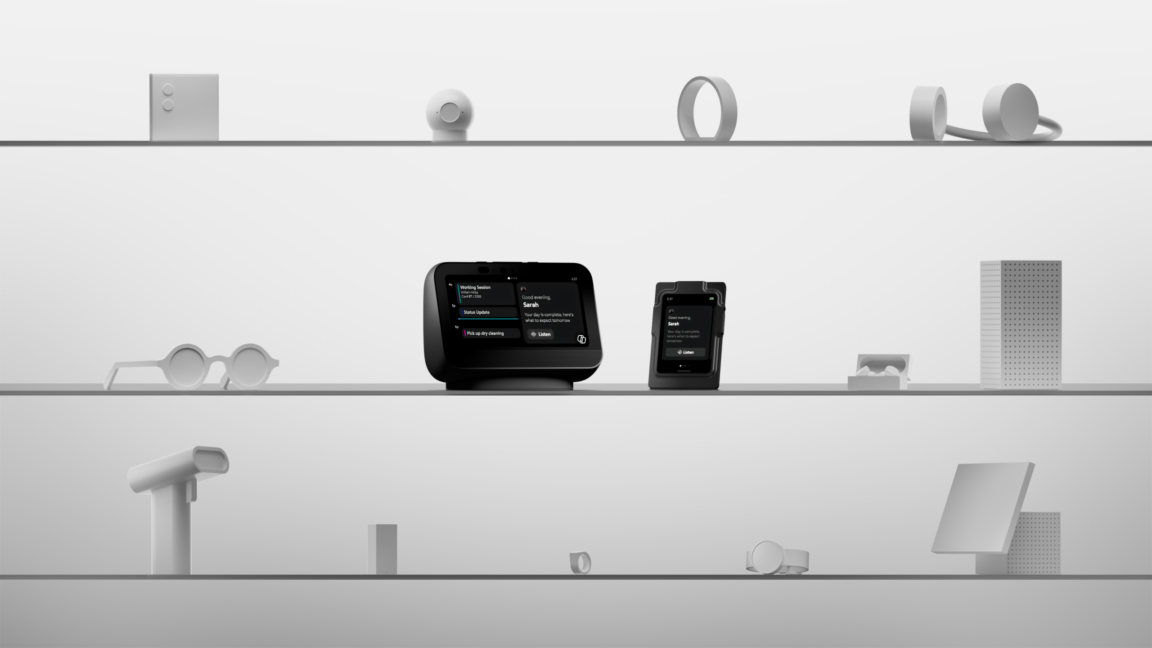
- •Microsoft showcased two initial reference designs for Solara: a wearable badge and a desk companion, both intended for enterprise workers and explicitly not designed to run conventional applications.
- •Several major companies, including Best Buy, CVS, Levi's, and Target, are slated to begin pilot programs using devices based on Project Solara's reference designs.
🛠️ Technical Deep Dive
- Project Solara is built on the Microsoft Device Ecosystem Platform (MDEP), an enterprise version of the Android Open Source Project (AOSP).
- It incorporates enterprise-grade security and management features through integration with Microsoft Intune and Entra ID.
- The platform supports "just-in-time UI," enabling agent experiences to dynamically adapt their interface to the specific device they are running on.
- The concept devices utilize off-the-shelf silicon: the wearable badge is powered by Qualcomm wearable chips, and the desk companion uses MediaTek IoT silicon.
- The desk companion device can transform into a Windows 365 cloud PC client when connected to an external display via USB-C.
- The platform is designed to accommodate both Microsoft's own AI agents, such as Microsoft 365 Copilot, and agents developed by other organizations.
🔮 Future ImplicationsAI analysis grounded in cited sources
⏳ Timeline
📎 Sources (7)
Factual claims are grounded in the sources below. Forward-looking analysis is AI-generated interpretation.
Weekly AI Recap
Read this week's curated digest of top AI events →
👉Related Updates

AI-curated news aggregator. All content rights belong to original publishers.
Original source: Ars Technica AI ↗
This is a summary, not the original. Read the source, or get the weekly briefing.
The weekly digest
One email a week. Unsubscribe anytime.