Business
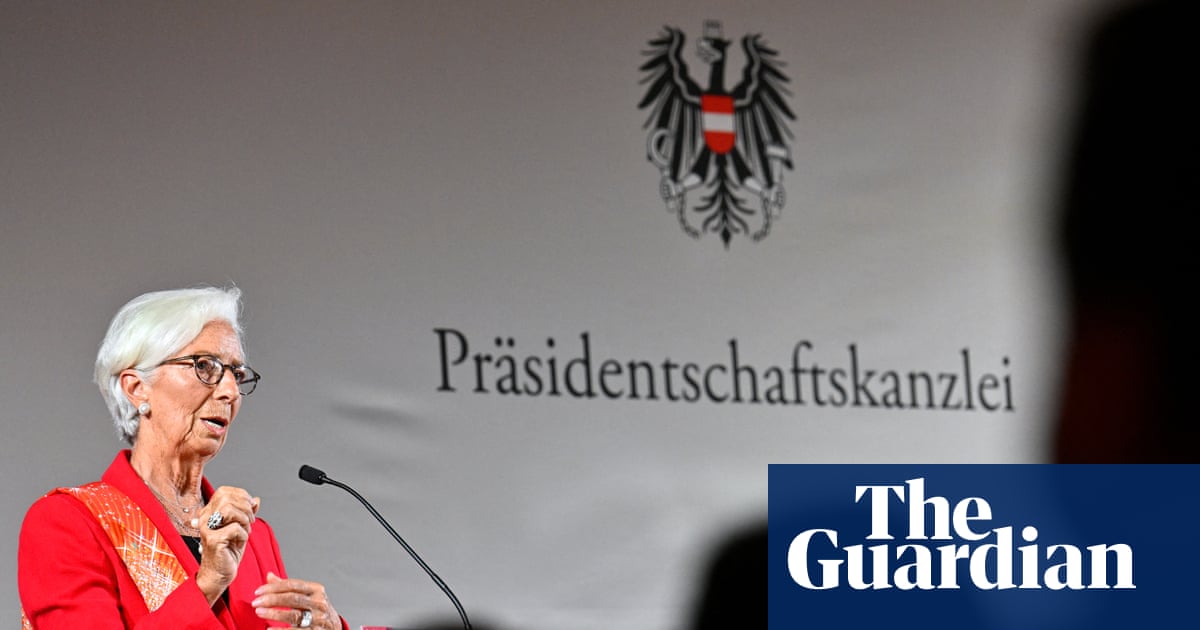
Lagarde Urges Europe to Build Its Own AI
ECB President Christine Lagarde warned that Europe’s dependence on U.S. or Chinese AI could create unprecedented leverage in trade negotiations.
The Guardian Technology · 4d ago
Chip export controls, compute diplomacy and AI as an instrument of national power.
495 articles
ECB President Christine Lagarde warned that Europe’s dependence on U.S. or Chinese AI could create unprecedented leverage in trade negotiations.
The Guardian Technology · 4d ago
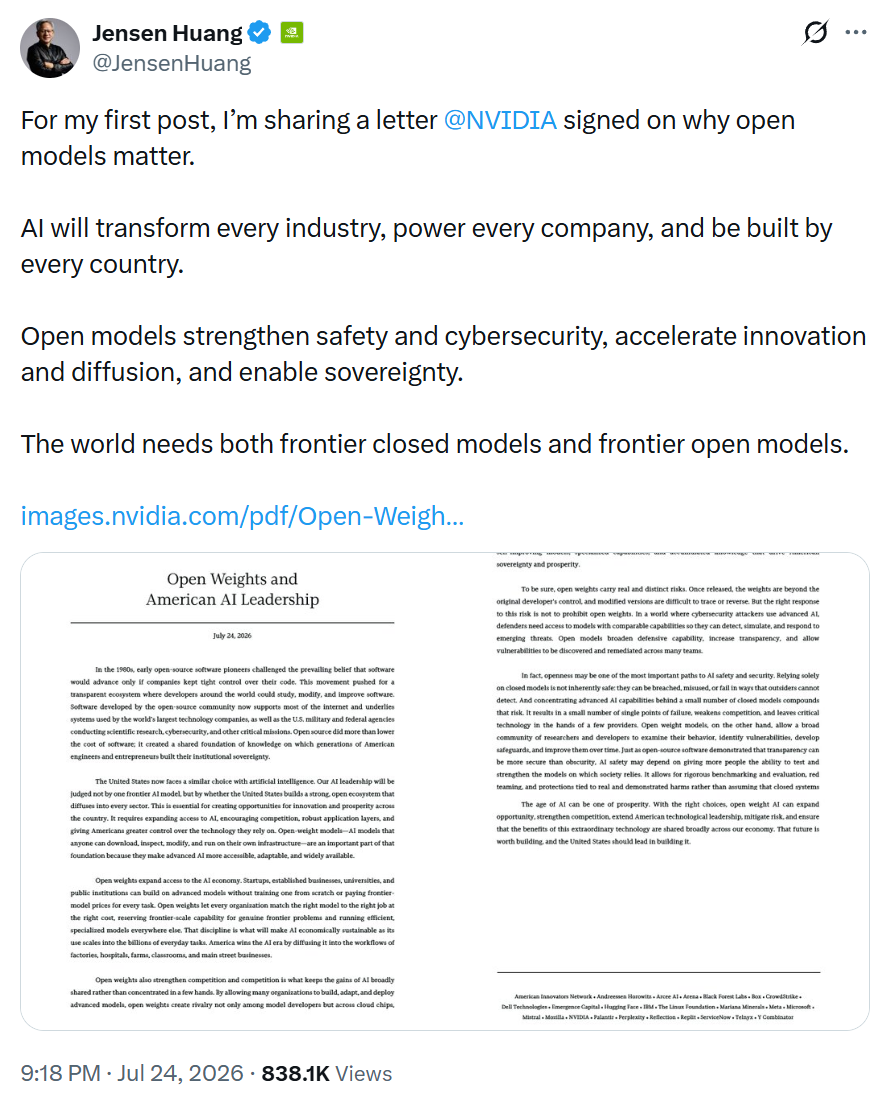
Jensen Huang, along with leaders from Microsoft and Meta, publicly endorsed Chinese open-source models like DeepSeek and Kimi, stating they are beneficial to the US ecosystem.
钛媒体 · 56d ago

The debate surrounding the potential banning of Chinese-made open-weight LLMs highlights the complex intersection of AI business models and national security. OpenAI's stance reflects broader industry anxiety regarding the proliferation of powerful, accessible AI models.
TechCrunch AI · 60d ago
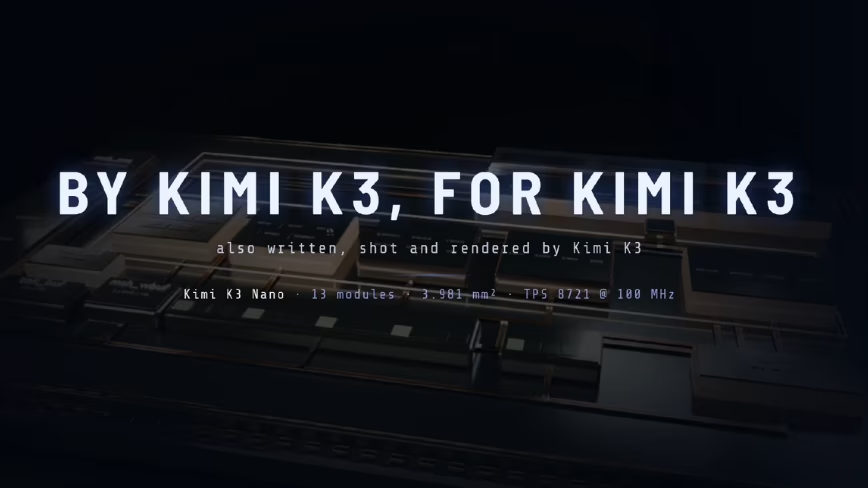
Moonshot AI's new Kimi K3 model has rapidly climbed the Arena coding leaderboard, outperforming major competitors like Claude Fable 5 and GPT-5.6 Sol. The launch has triggered intense political and industry debate regarding AI development speed.
The Next Web (TNW) · 63d ago
President Xi Jinping will make his first appearance at China's premier AI conference. This signals Beijing's strategic focus on AI development amidst intensifying technological competition with the US.
Bloomberg Technology · 68d ago
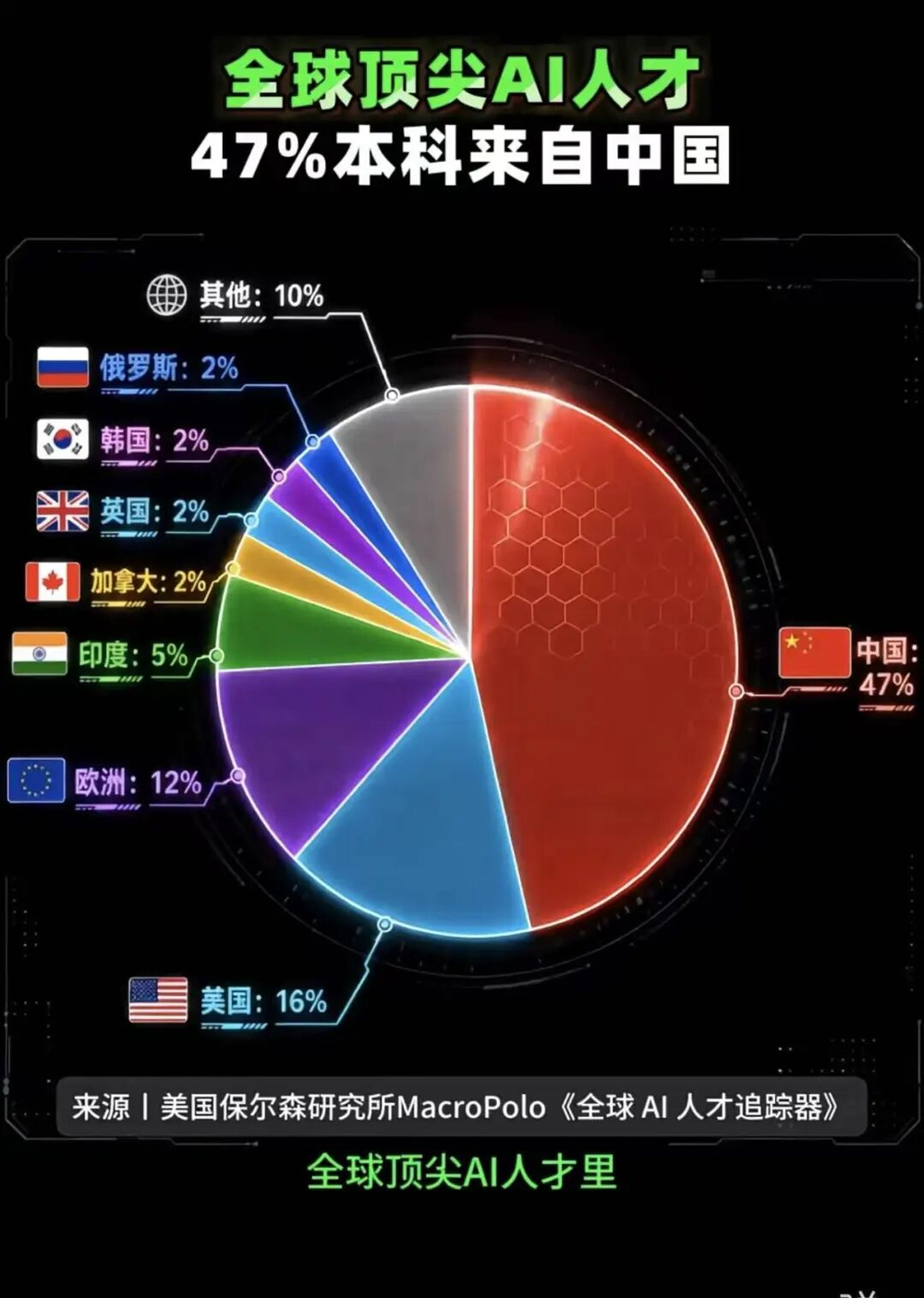
While China leads in producing top-tier AI researchers, the US excels in attracting them. The article argues that AI competition is no longer just about talent counts, but about building a systemic loop of innovation, capital, and infrastructure.
虎嗅 · 68d ago

Beijing is reportedly discussing new regulations to limit international access to China's most advanced AI models. The Ministry of Commerce has held meetings with major tech firms including Alibaba and ByteDance to discuss these potential restrictions.
The Next Web (TNW) · 73d ago

Chinese regulators are considering restricting overseas access to the country's most advanced AI models. This move aims to classify cutting-edge AI as a critical national asset, mirroring similar international security policies.
cnBeta (Full RSS) · 73d ago

Reports indicate that the Chinese government is exploring measures to curb international access to its most advanced AI models. This potential policy shift could significantly impact global AI research collaboration and model deployment strategies.
Reddit r/LocalLLaMA · 73d ago
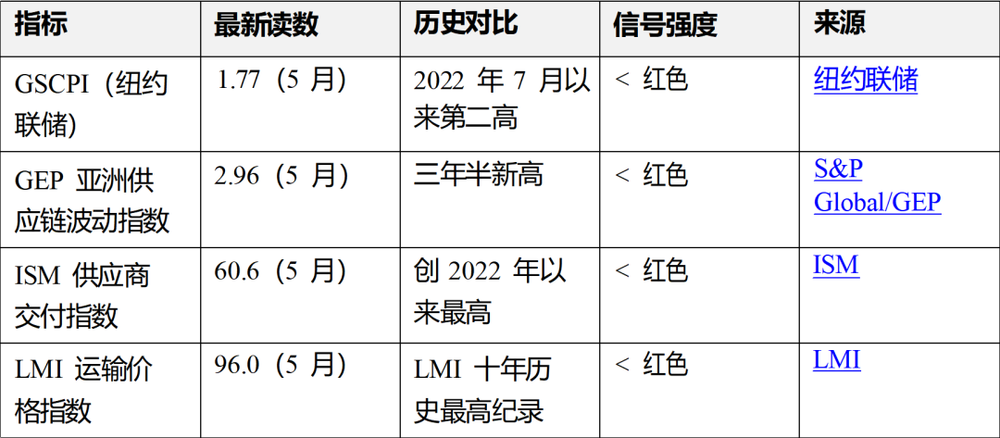
Global supply chains are under extreme pressure due to geopolitical conflicts, trade restructuring, and new regulatory costs like CBAM. AI chip supply remains highly constrained, while China's domestic AI chip self-sufficiency is rising rapidly.
虎嗅 · 78d ago

The release of Claude Sonnet 5 highlights the instability of relying on foreign AI models for Chinese developers. This shift is accelerating the adoption and development of domestic Chinese programming models.
钛媒体 · 79d ago
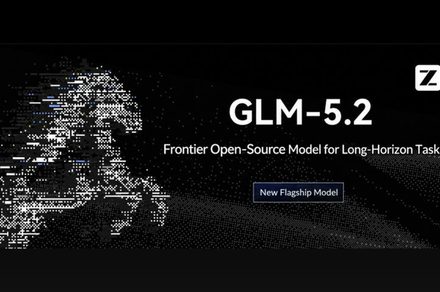
Reports indicate that China's GLM-5.2 AI model has achieved performance parity with Anthropic's Claude Mythos in cybersecurity-related tasks. This development highlights the narrowing gap in AI capabilities between global labs.
Digital Trends · 82d ago
Austria is urging the EU to attract Anthropic to set up operations within its borders to counter US restrictions on advanced AI model access. This move aims to enhance European technological sovereignty and retain top-tier AI talent.
IT之家 · 82d ago
OpenAI is rolling out a preview of its latest AI model to select partners. This phased approach follows pressure from the Trump administration to manage the release timeline.
Bloomberg Technology · 84d ago
The European Union has initiated talks with the Trump administration regarding access to Anthropic's advanced AI models. This follows recent US restrictions that blocked foreign nationals from accessing the technology.
Bloomberg Technology · 85d ago

An AI startup using Anthropic's models has sued the US government. The lawsuit challenges government orders that prohibit Anthropic from providing its most advanced AI models to foreign citizens.
cnBeta (Full RSS) · 87d ago

ByteDance is reportedly spending over $1 billion annually on Microsoft's Azure cloud and AI services. Microsoft has become a primary provider of GPT-series models in China, filling a gap left by other major AI labs.
cnBeta (Full RSS) · 92d ago
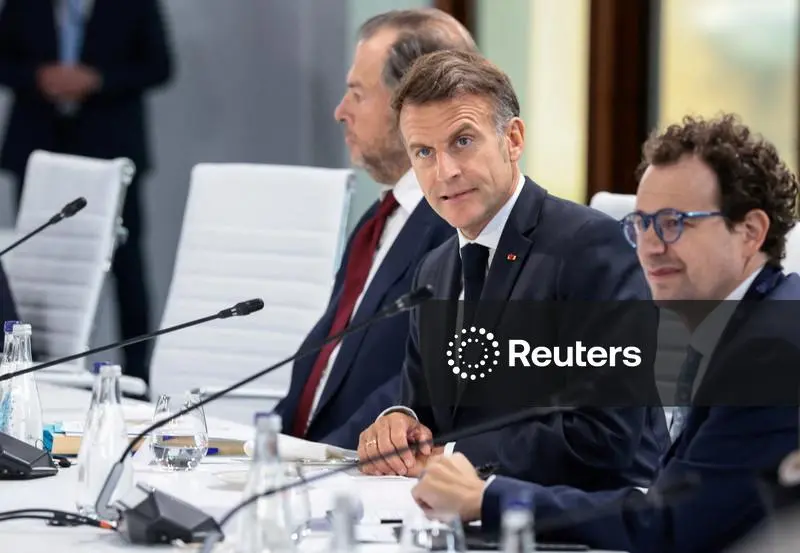
G7 leaders and AI CEOs met to discuss 'trusted partners' and export controls for frontier AI models. The discussion highlights a growing tension between reliance on US-based AI infrastructure and the push for sovereign AI capabilities in Europe and beyond.
虎嗅 · 93d ago

The US government has held off on adding AI startup DeepSeek and memory-chip maker CXMT to the Commerce Department’s Entity List, despite previous interagency approval. The delay highlights ongoing tensions regarding national security and AI development.
The Next Web (TNW) · 94d ago

Anthropic received a US export control directive requiring the suspension of access to its Mythos 5 and Fable 5 models for all foreign nationals. The company had to disable these products globally while attempting to negotiate with the Trump administration.
The Verge · 95d ago
Cohere reports a surge in inbound interest from governments and investors following US government restrictions on Anthropic. Organizations are increasingly seeking non-US AI models to ensure compliance and sovereignty.
Bloomberg Technology · 95d ago
The Fable 5 and Mythos 5 AI models have been taken offline following new export control regulations from the U.S. Department of Commerce.
少数派 · 96d ago
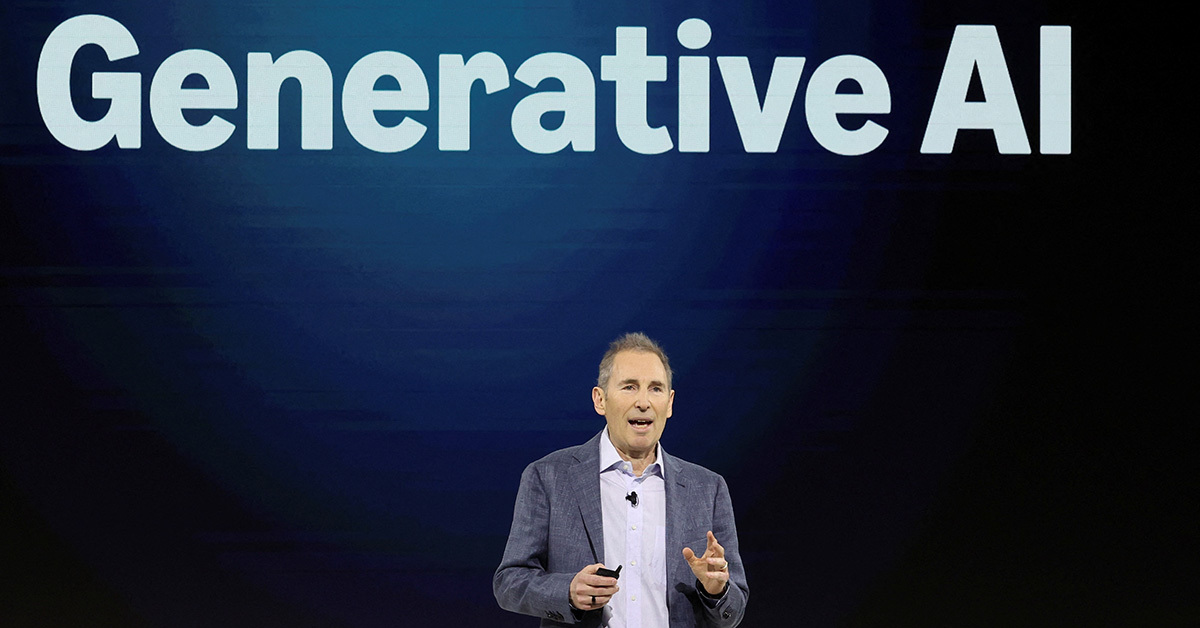
Amazon CEO Andy Jassy reportedly expressed concerns to the Trump administration regarding security risks in Anthropic's latest AI models, Fable 5 and Mythos 5. This preceded a government order restricting foreign access to these specific models.
ITmedia AI+ (日本) · 97d ago

Anthropic has suspended access to its Claude Fable/Mythos 5 models for all foreign nationals following new US government export control directives. This restriction applies even to foreign employees working for US-based companies.
cnBeta (Full RSS) · 98d ago
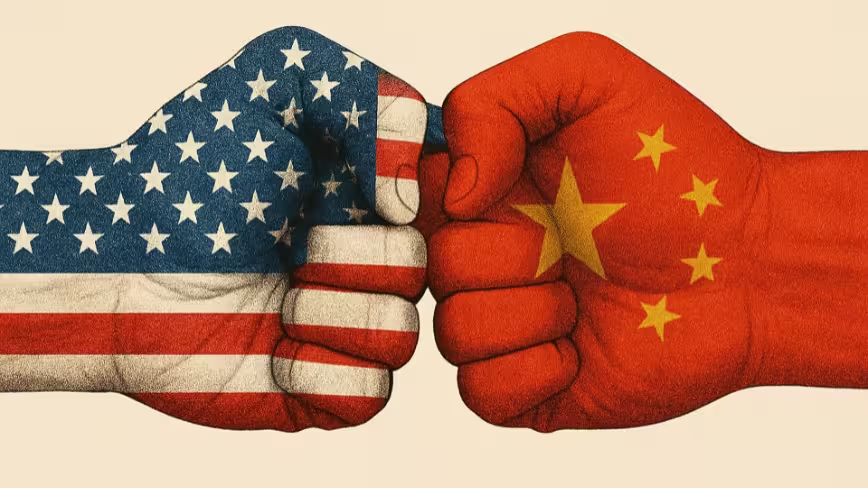
Shanghai Jiao Tong University has launched a dedicated photonic computing laboratory. This move represents a strategic effort by China to utilize light-based chips to circumvent US semiconductor export restrictions.
The Next Web (TNW) · 98d ago

China is drafting a massive $295 billion blueprint to expand AI data center infrastructure over the next five years. The strategy explicitly aims to reduce reliance on American hardware, specifically targeting the exclusion of Nvidia chips.
The Next Web (TNW) · 102d ago
China is launching a massive 2 trillion yuan investment plan over the next five years to construct nationwide data centers. This initiative aims to accelerate domestic AI development and compete directly with U.S.
Bloomberg Technology · 102d ago
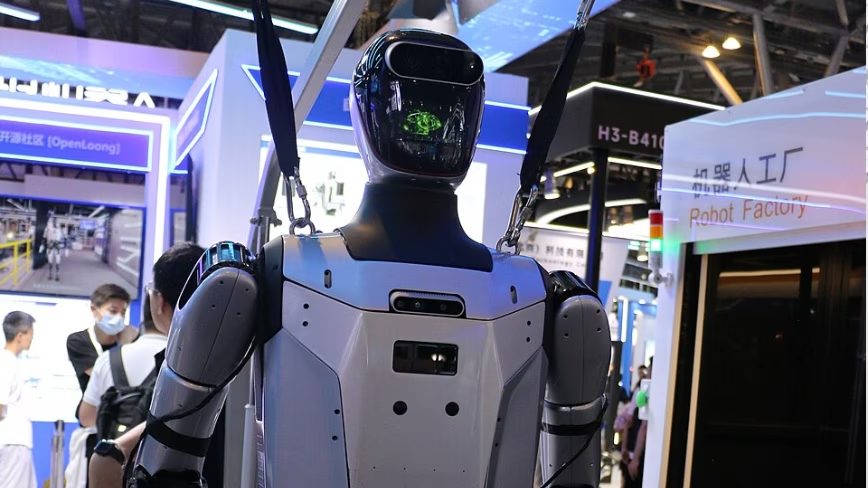
The Pentagon updated its 1260H list, adding Alibaba, Baidu, BYD, and Unitree. These companies are identified as contributing to China’s military-civil fusion strategy.
The Next Web (TNW) · 102d ago

柬埔寨公司销售的“昊天AI”可在WhatsApp、Zoom、Teams等平台实时换脸,并被用于电信诈骗和绕过刷脸验证。文章还揭示了结合GPT、Gemini、批量账号和代理IP的一站式诈骗工具链。
虎嗅 · 10d ago

An IISS analysis argues that US export controls on Chinese semiconductors and AI technologies are being weakened by enforcement gaps, policy uncertainty, and China’s push for technological self-reliance. Chinese advances such as Huawei’s reported LogicFolding approach highlight how restrictions may accelerate domestic alternatives while also hurting US companies’ access to the Chinese market.
虎嗅 · 19d ago