📰
Pony AI Plans Wider China Robotaxi Expansion
Pony AI CEO James Peng says the company plans to expand its robotaxi fleet into more Chinese cities. He expressed optimism that the broader rollout will help meet growing demand.
10 results on this page
Pony AI CEO James Peng says the company plans to expand its robotaxi fleet into more Chinese cities. He expressed optimism that the broader rollout will help meet growing demand.
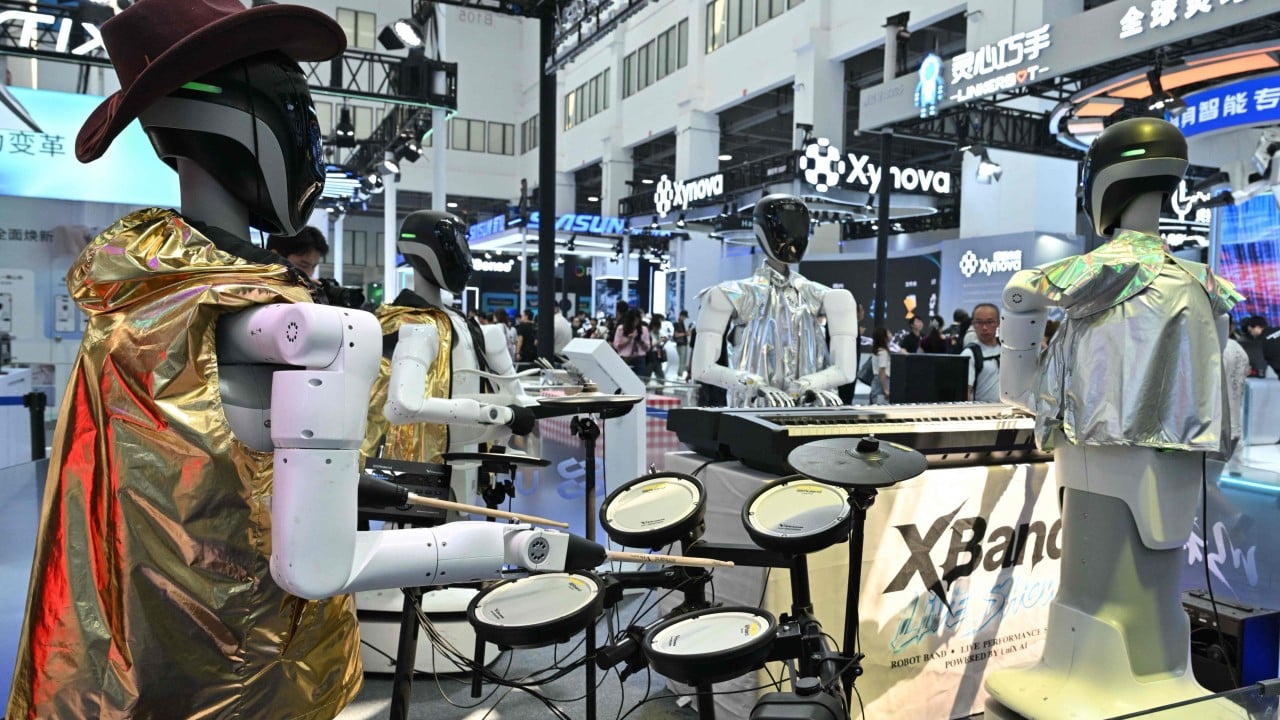
At the World Robot Conference, Chinese humanoid robots drew attention with demonstrations including table tennis and drumming. However, industry leaders and policymakers are shifting focus from impressive showcases toward commercialization, production scale, and practical deployment.

Tactile robotics is expanding from sensor hardware into datasets, foundation models, and evaluation benchmarks. Research shows touch improves physical reasoning and robot success, but inconsistent sensor formats create major cross-device transfer challenges.
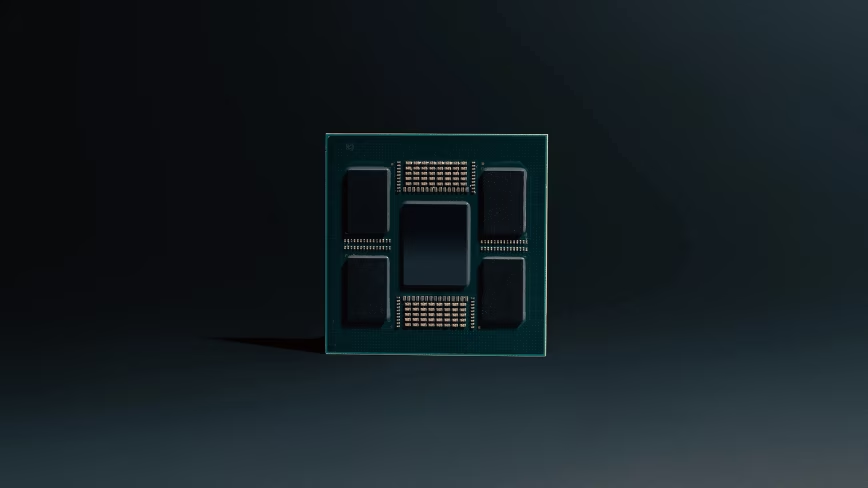
Waymo has published the architecture of its robotaxi onboard computer, offering its first detailed look inside the vehicle system. The company also introduced a custom 5-nanometer chip and identified seven suppliers supporting the platform.
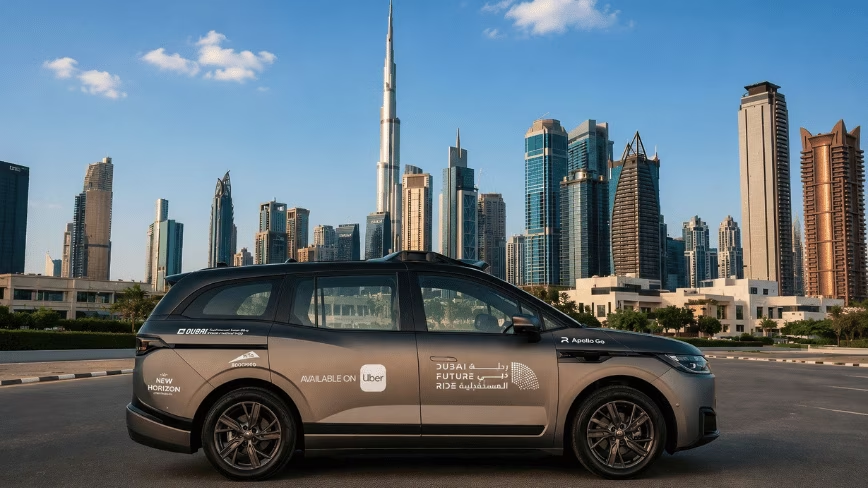
Uber has begun offering Baidu’s driverless Apollo Go vehicles through its app in Dubai. Riders booking UberX or Uber Comfort may be matched with an autonomous vehicle, while a dedicated Autonomous option increases the chance of requesting one.
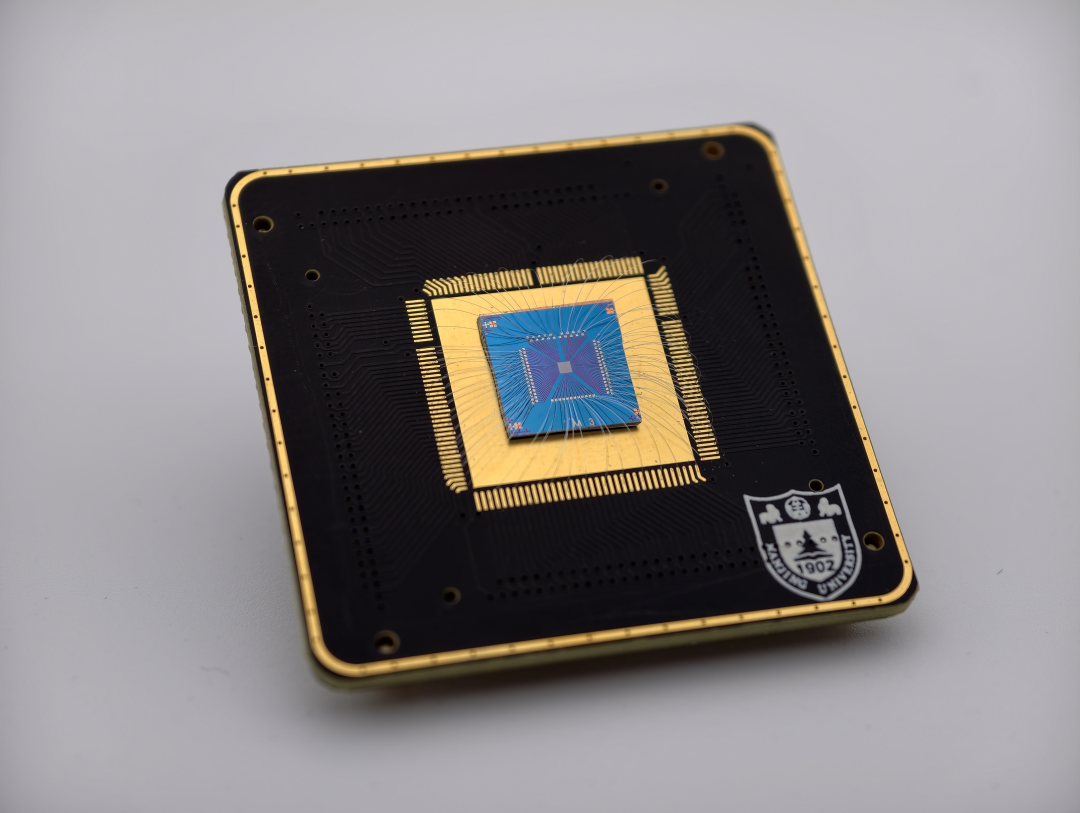
A Chinese-led team from Nanjing University and the National University of Singapore developed 光语芯, an ultra-low-power intelligent vision sensor chip that directly converts light into tokens. The tokens can be fed into an encoder for image recognition.
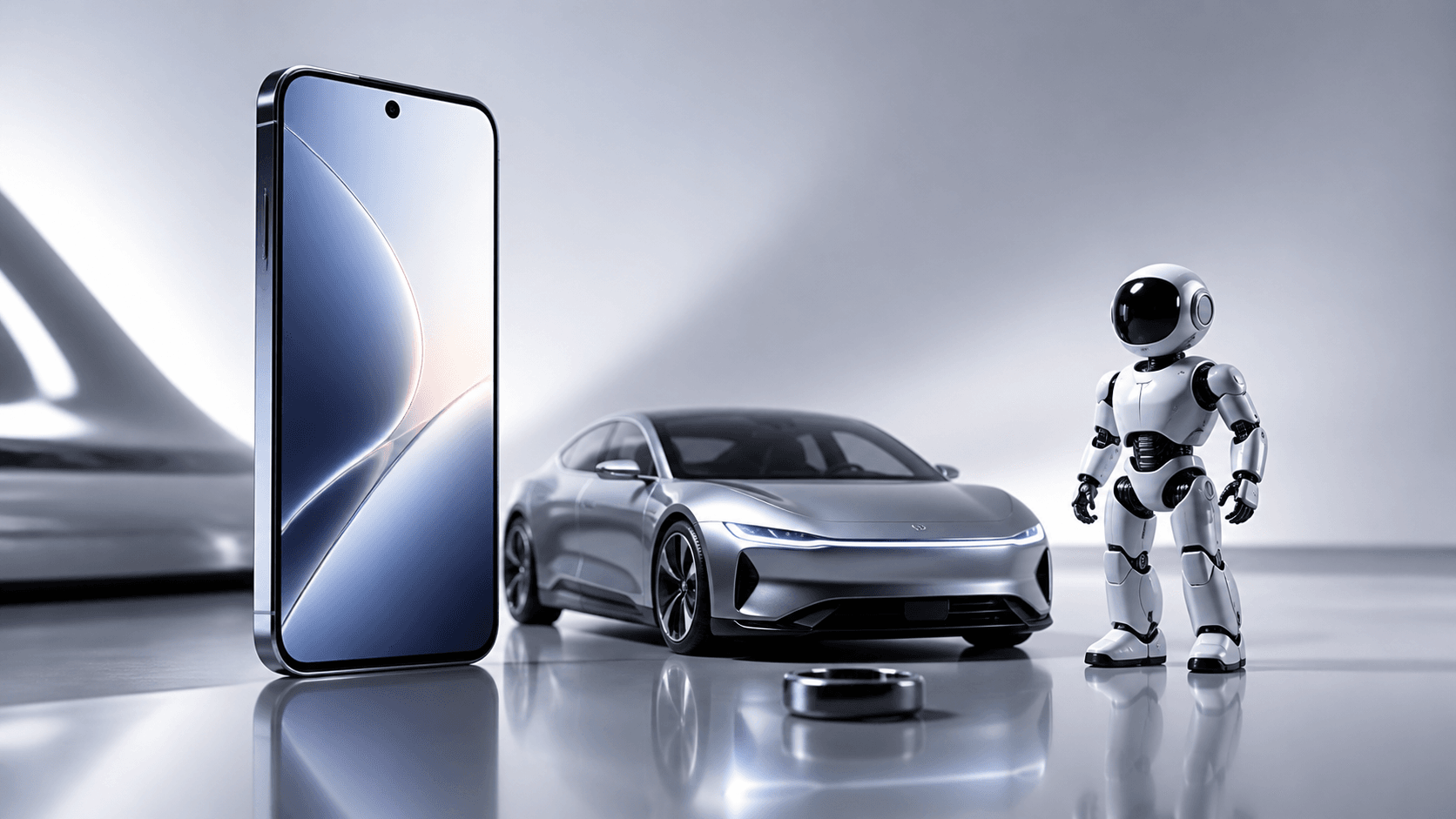
Xiaomi stabilized in Q2 2026 while expanding its AI strategy across models, chips, and robotics. Its MiMo-V2.5 model led OpenRouter call charts, the Xuanjie chip passed mass verification, and a humanoid robot began factory operations with a reported 98% success rate.

NVIDIA introduces Cosmos 3 Edge, a compact world model designed for on-device robot control. The 4B omni-model includes a 2B NVIDIA Nemotron-based reasoner to support adaptive policies across sensors, environments, and tasks.
China has reportedly allowed ByteDance and Tencent to import 10,000 NVIDIA H200 chips each, according to the Financial Times. Other Chinese companies could receive similar approval, potentially easing access to advanced AI computing hardware.
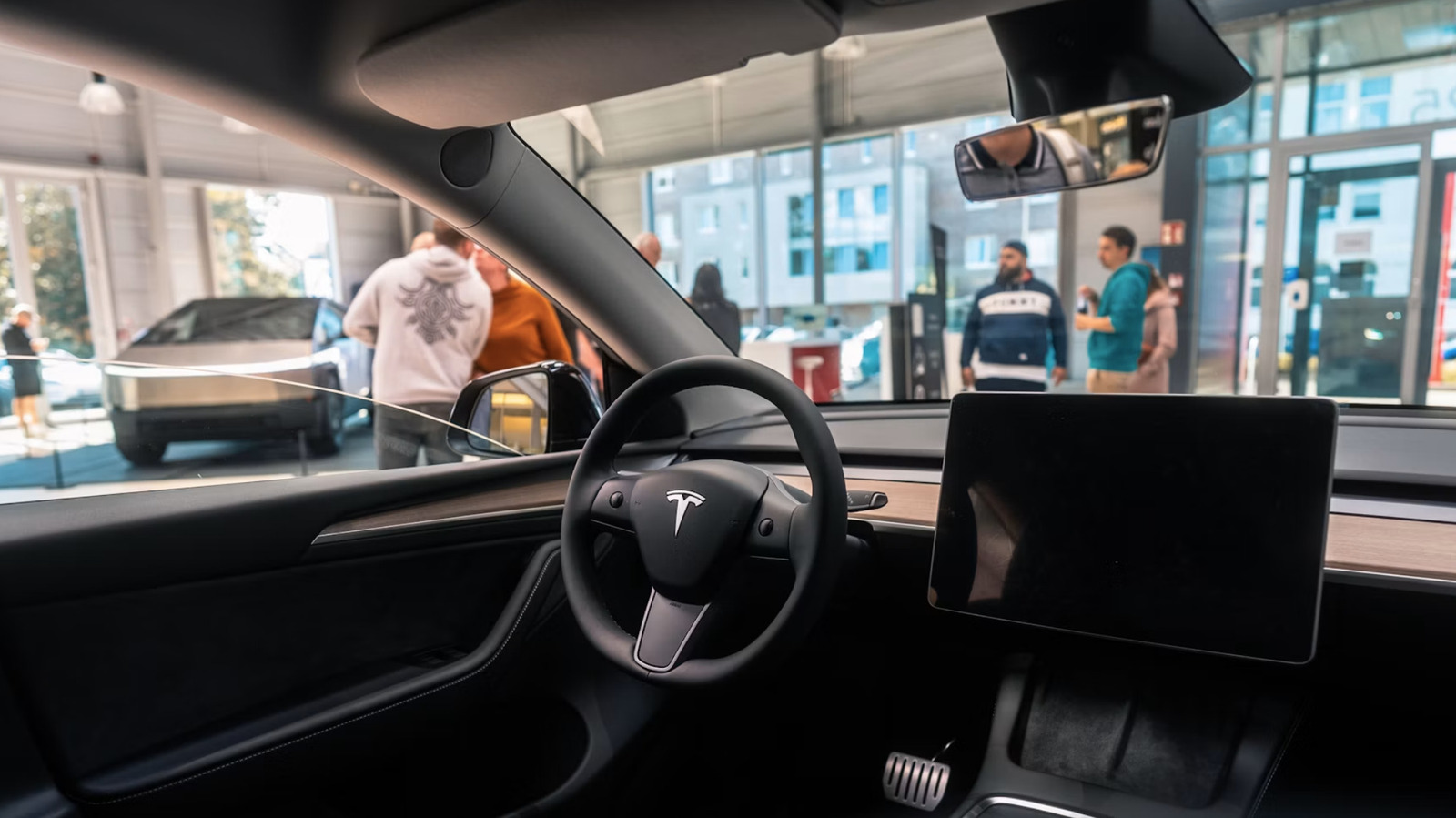
Tesla’s Robotaxi fleet in Austin may now be operating without human supervision. The report suggests the autonomous-driving rollout has progressed, although the wording indicates the development is not fully confirmed.