China Reportedly Approves Massive H200 Imports
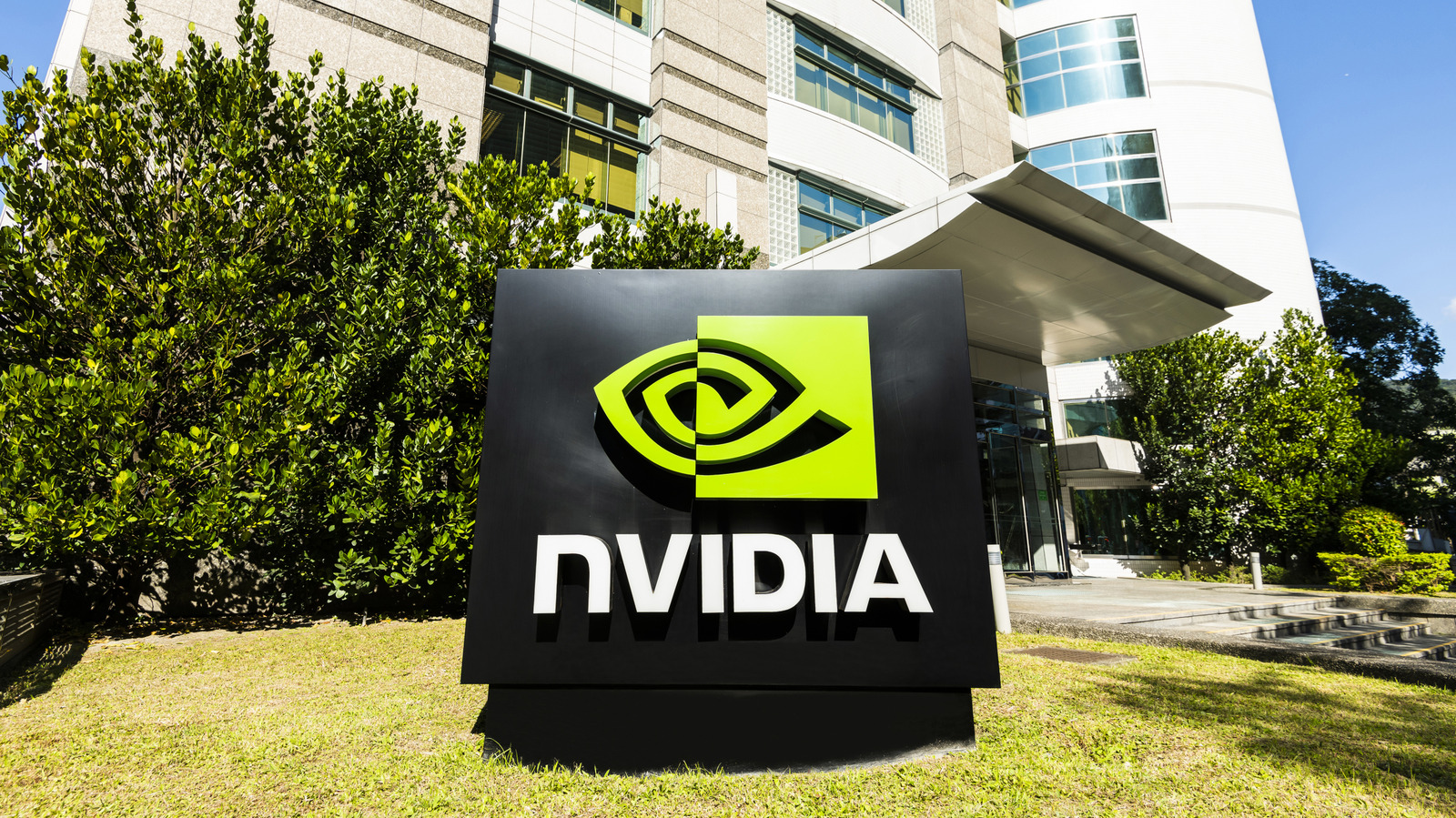
💡A reported 20,000-chip allocation could reshape AI compute access for China’s biggest platforms.
⚡ 30-Second TL;DR
What Changed
ByteDance reportedly received approval to import 10,000 H200 chips.
Why It Matters
If confirmed, the approvals could materially increase the AI training and inference capacity available to major Chinese technology companies. They may also intensify competition for high-end accelerators and complicate assumptions about the effectiveness of current chip export controls.
What To Do Next
Audit your GPU procurement plan and benchmark whether H200 availability or equivalent cloud instances could reduce training and inference bottlenecks.
Key Points
- •ByteDance reportedly received approval to import 10,000 H200 chips.
- •Tencent reportedly received approval for another 10,000 H200 chips.
- •Other Chinese companies may be permitted to import H200 chips.
- •The report could signal a limited easing of access to advanced AI accelerators.
🧠 Deep Insight
AI-generated analysis for this event.
🔑 Enhanced Key Takeaways
- •The H200 is a specialized variant of the H100, featuring HBM3e memory which significantly increases memory bandwidth to 4.8 TB/s, crucial for large language model inference.
- •These imports are reportedly compliant with current U.S. export controls, as the H200's performance density remains below the regulatory thresholds established by the Department of Commerce.
- •The approval process involves complex licensing requirements where NVIDIA must ensure that the specific chips sold to Chinese entities do not violate the 'performance density' restrictions set by the U.S. government.
- •ByteDance and Tencent are prioritizing these chips to accelerate the training and deployment of their proprietary 'Doubao' and 'Hunyuan' foundation models, respectively.
- •Market analysts suggest this move may be a strategic effort by the U.S. to allow limited access to advanced hardware to prevent Chinese firms from achieving a total technological decoupling.
📊 Competitor Analysis▸ Show
| Feature | NVIDIA H200 | Huawei Ascend 910B | AMD Instinct MI300X |
|---|---|---|---|
| Memory Capacity | 141GB HBM3e | 48GB HBM2e | 192GB HBM3 |
| Memory Bandwidth | 4.8 TB/s | 1.2 TB/s | 5.3 TB/s |
| Primary Market | Global/Cloud | China (Domestic) | Global/Cloud |
| Architecture | Hopper | Da Vinci | CDNA 3 |
🛠️ Technical Deep Dive
- The H200 utilizes the Hopper architecture, optimized for transformer-based models.
- It features 141GB of HBM3e memory, providing a 1.4x increase in capacity and 1.8x increase in bandwidth compared to the H100.
- The chip supports FP8 and FP4 precision formats, which are critical for reducing latency in large-scale AI inference tasks.
- It maintains compatibility with the existing NVIDIA CUDA software ecosystem, ensuring seamless integration for developers already using H100 clusters.
🔮 Future ImplicationsAI analysis grounded in cited sources
⏳ Timeline
Weekly AI Recap
Read this week's curated digest of top AI events →
👉Related Updates

AI-curated news aggregator. All content rights belong to original publishers.
Original source: Engadget ↗