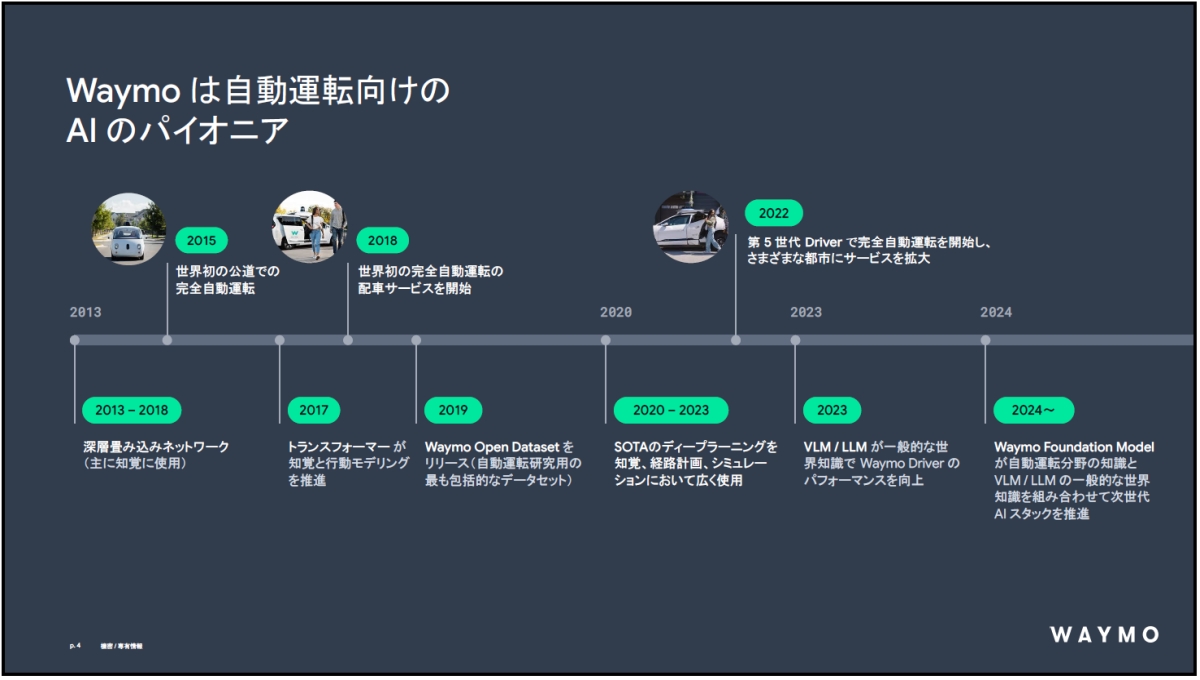
Waymo揭示自動駕駛AI策略
Waymo說明其自動駕駛 AI 策略,以及自2009年 Google Self-Driving Car Project 以來累積的技術演進。公司同時指出,採用單一 AI 模型的端到端(E2E)方式存在兩項問題。
10 results on this page
Waymo說明其自動駕駛 AI 策略,以及自2009年 Google Self-Driving Car Project 以來累積的技術演進。公司同時指出,採用單一 AI 模型的端到端(E2E)方式存在兩項問題。

London’s centuries-old black-cab industry is confronting potential competition from autonomous taxis, with Waymo, Wayve, and Baidu testing vehicles in the city. Drivers and unions argue that local knowledge, judgment, and human interaction remain difficult for autonomous systems to replicate.
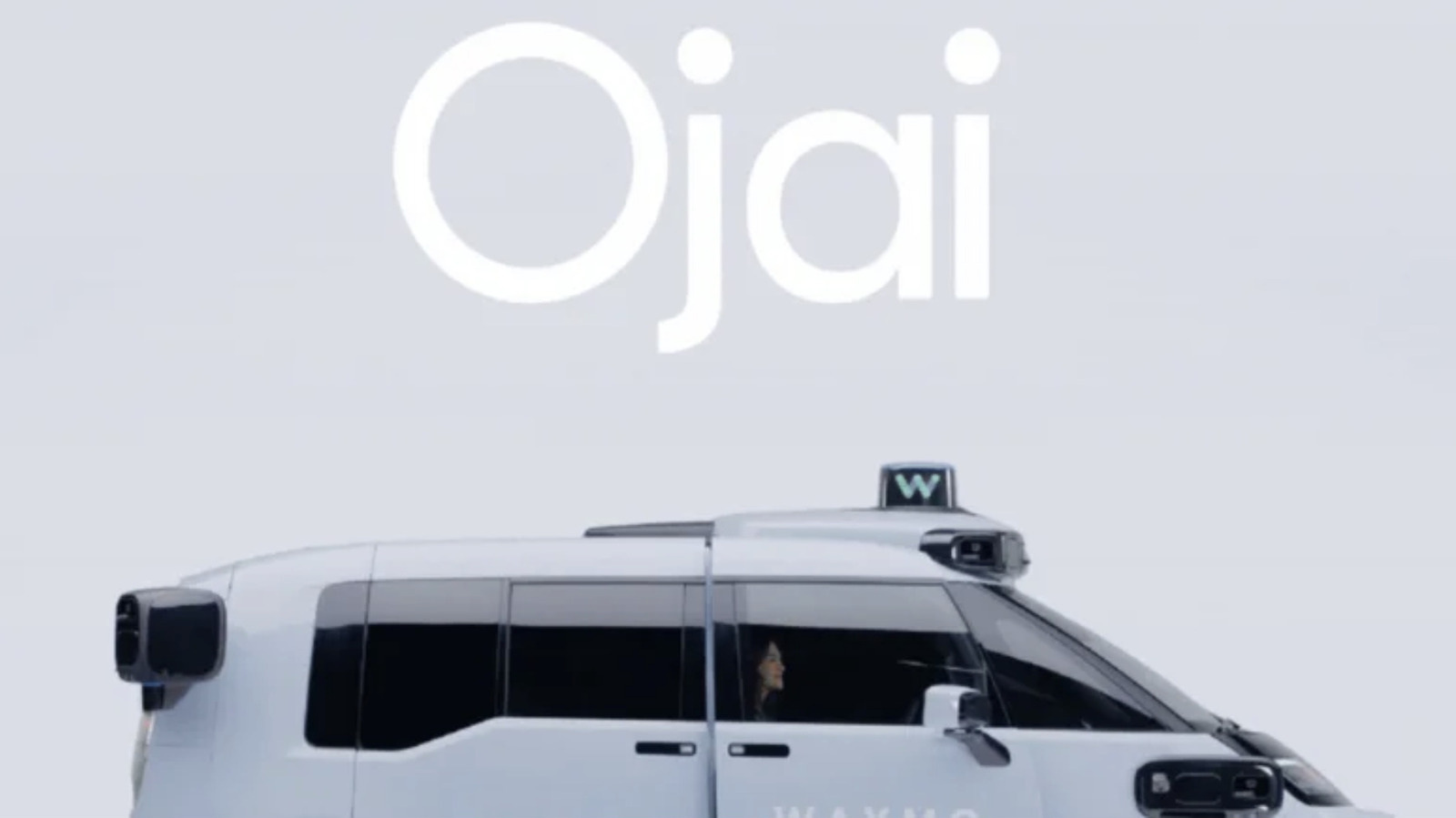
Waymo's Ojai driverless vans are now available to all riders in San Francisco, Phoenix, and Los Angeles. The move marks a full public rollout of the autonomous vehicles across three cities.

Waymo has published the architecture of its robotaxi onboard computer, offering its first detailed look inside the vehicle system. The company also introduced a custom 5-nanometer chip and identified seven suppliers supporting the platform.
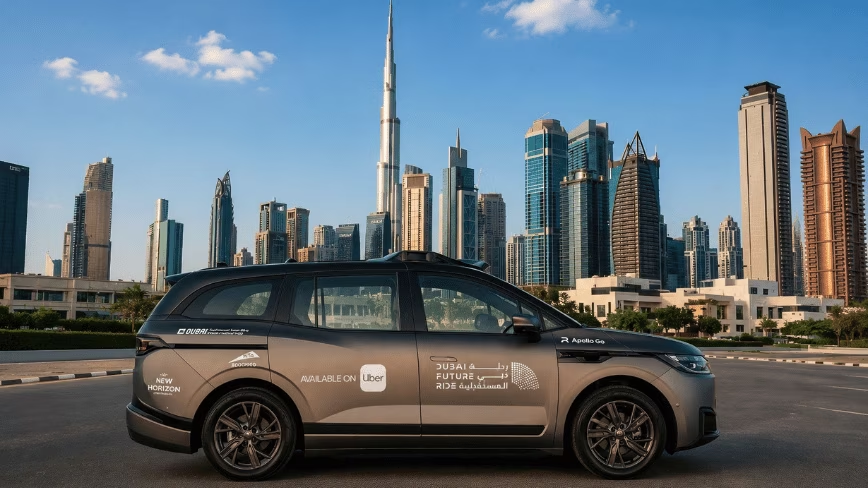
Uber has begun offering Baidu’s driverless Apollo Go vehicles through its app in Dubai. Riders booking UberX or Uber Comfort may be matched with an autonomous vehicle, while a dedicated Autonomous option increases the chance of requesting one.

Tesla’s Austin robotaxi service appears to be operating without human safety monitors. An independent monitoring project recorded 170 rides across 54 vehicles over the past two weeks, all without a monitor onboard.

Waymo has disclosed key details about the high-performance computers installed in the trunks of its robotaxis. The company shared processor specifications, chip architecture, internal components, and hardware suppliers for the first time.

Waymo has developed a custom chip designed to improve the performance of its robotaxis. The chip also reduces the company’s reliance on third-party suppliers such as Nvidia.

Uber has begun offering autonomous rides in Zagreb, Croatia, marking its first European AV service. The rides are operated with Pony.ai and Verne, but vehicles still include a safety driver.
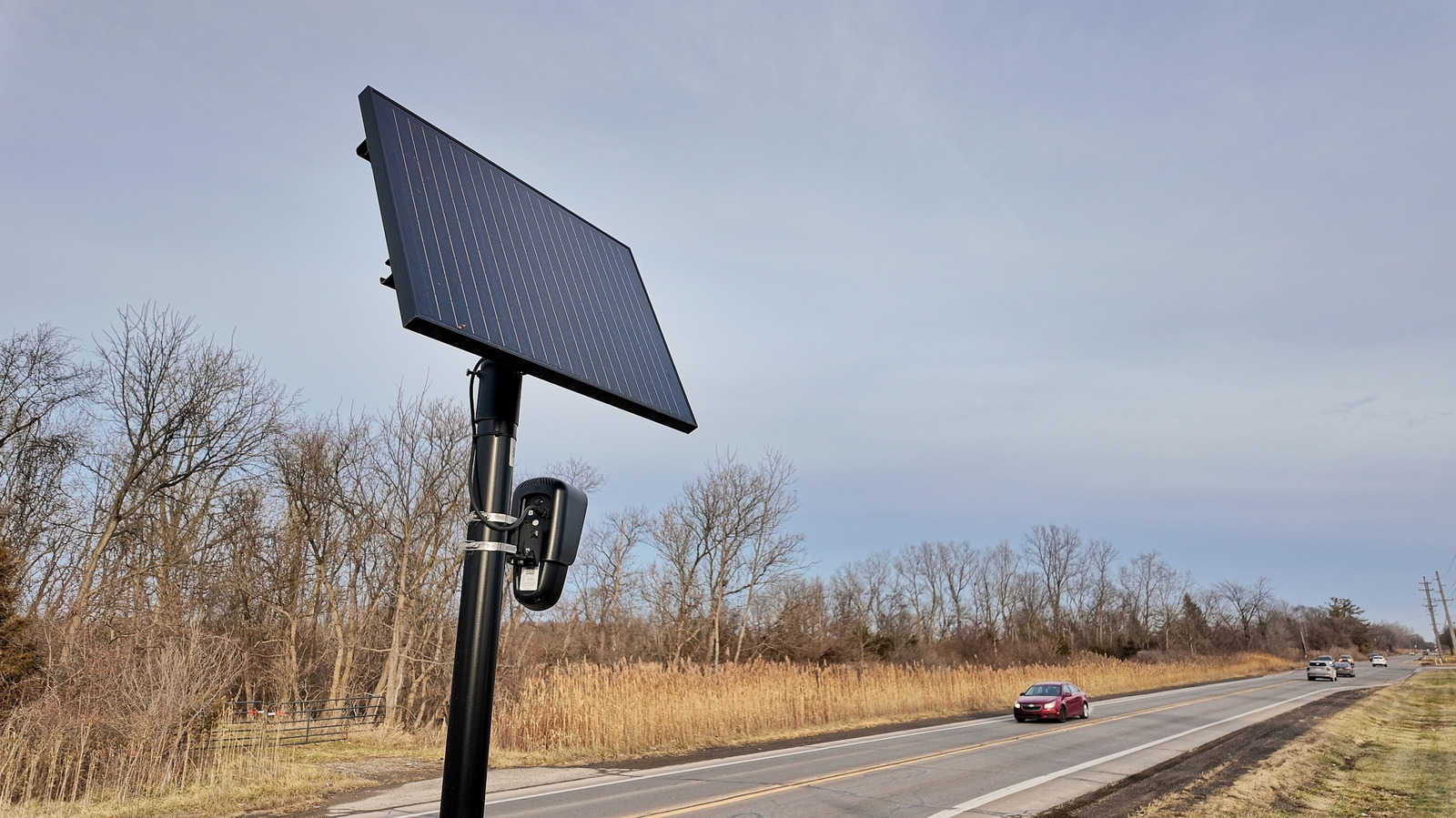
Flock is testing an AI tool that tracks and identifies people based on their driving habits. The system goes beyond conventional license-plate monitoring, raising significant surveillance and privacy concerns.