Flock Tests AI That Identifies Drivers by Habits
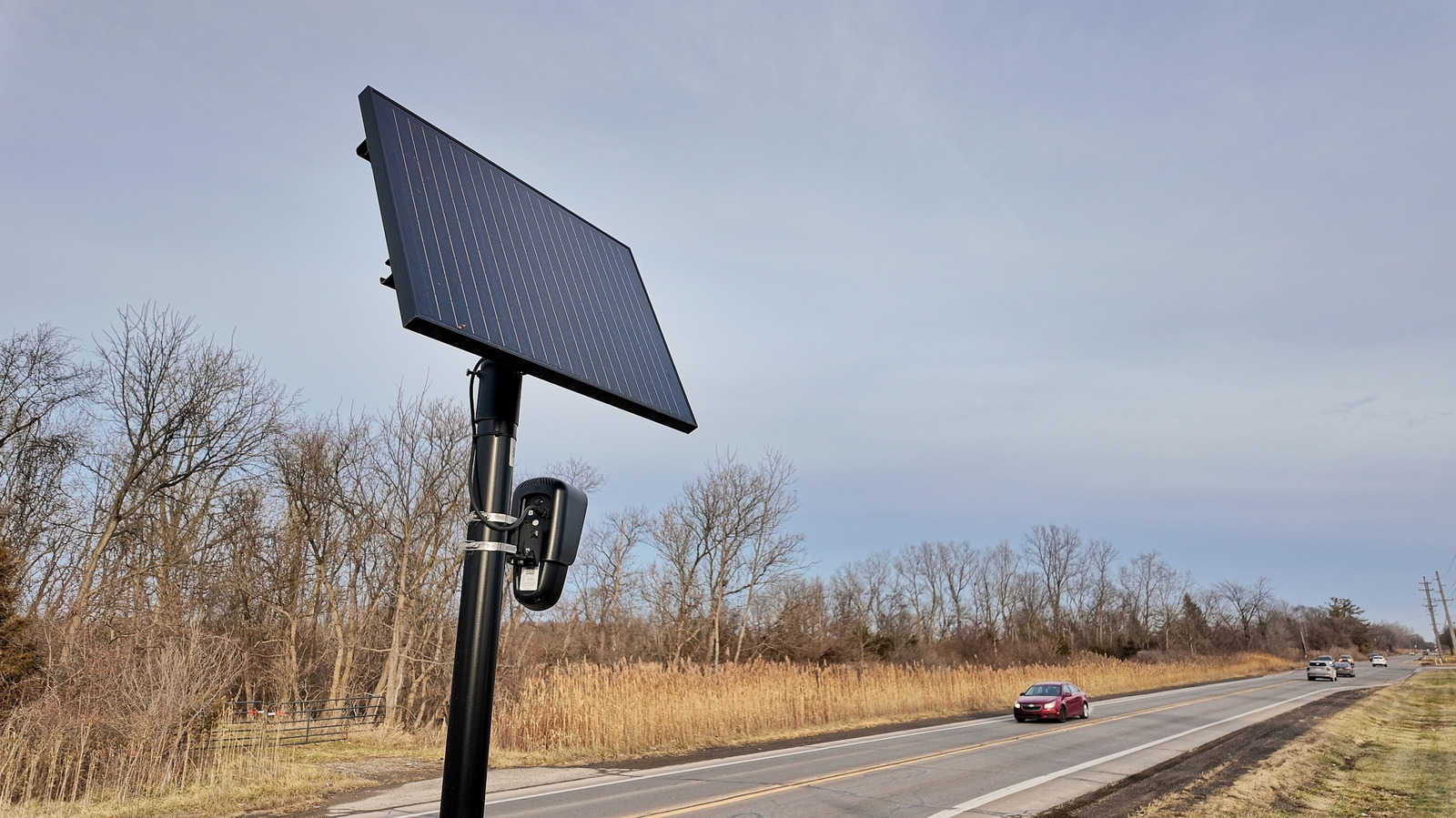
💡Flock’s system shows how AI surveillance can identify people without relying solely on license plates.
⚡ 30-Second TL;DR
What Changed
Flock is testing an AI system for identifying people through driving behavior.
Why It Matters
For AI practitioners, this highlights the privacy risks of behavioral identification systems. Developers building computer-vision or mobility analytics products should consider consent, data minimization, retention limits, and auditability from the start.
What To Do Next
Create a privacy threat model for any behavioral-identification feature and require human review before sharing identity matches.
Key Points
- •Flock is testing an AI system for identifying people through driving behavior.
- •The tool tracks behavioral patterns rather than relying only on license plates.
- •The technology could expand the scope of automated roadside surveillance.
🧠 Deep Insight
AI-generated analysis for this event.
🔑 Enhanced Key Takeaways
- •The technology, often referred to as 'behavioral biometrics' or 'vehicle fingerprinting,' analyzes metrics such as acceleration patterns, braking intensity, and lane-keeping tendencies.
- •Flock Safety's primary market remains law enforcement agencies, which utilize these insights to identify stolen vehicles or suspects even when license plates are obscured, covered, or missing.
- •Privacy advocates, including the ACLU, have raised alarms that this technology creates a 'persistent tracking' environment that could be used to monitor political protesters or individuals without individualized suspicion.
- •The system leverages existing infrastructure, such as Flock's widespread network of Automated License Plate Recognition (ALPR) cameras, requiring no new hardware installations to implement behavioral tracking.
- •Legal experts note that this form of surveillance may challenge Fourth Amendment protections in the U.S., as it moves beyond tracking public movements to analyzing private behavioral characteristics.
📊 Competitor Analysis▸ Show
| Feature | Flock Safety | Rekor Systems | Motorola Solutions (Vigilant) |
|---|---|---|---|
| Primary Focus | Public Safety/ALPR | AI Traffic/Vehicle Rec | Law Enforcement/Video |
| Behavioral Tracking | Testing/Emerging | Vehicle Make/Model/Color | Limited/Metadata-based |
| Pricing Model | Subscription/SaaS | Enterprise/SaaS | Hardware + Licensing |
| Market Position | High (Law Enforcement) | Mid (Traffic/Commercial) | High (Integrated Gov) |
🛠️ Technical Deep Dive
- The system utilizes computer vision models trained on temporal sequences of vehicle movement rather than static image classification.
- It employs deep learning architectures, likely Recurrent Neural Networks (RNNs) or Transformers, to process time-series data from video feeds to establish a unique 'driver signature.'
- Data processing occurs at the edge (on the camera) to reduce latency and bandwidth, transmitting only metadata and behavioral vectors to the cloud.
- The model correlates vehicle dynamics with environmental factors to normalize data, ensuring that driving habits are attributed to the driver's style rather than road conditions.
🔮 Future ImplicationsAI analysis grounded in cited sources
⏳ Timeline
Weekly AI Recap
Read this week's curated digest of top AI events →
👉Related Updates


AI-curated news aggregator. All content rights belong to original publishers.
Original source: Engadget ↗