Search

10 results on this page

Why Long-Form Video Resists Full AI

Why Long-Form Video Resists Full AI

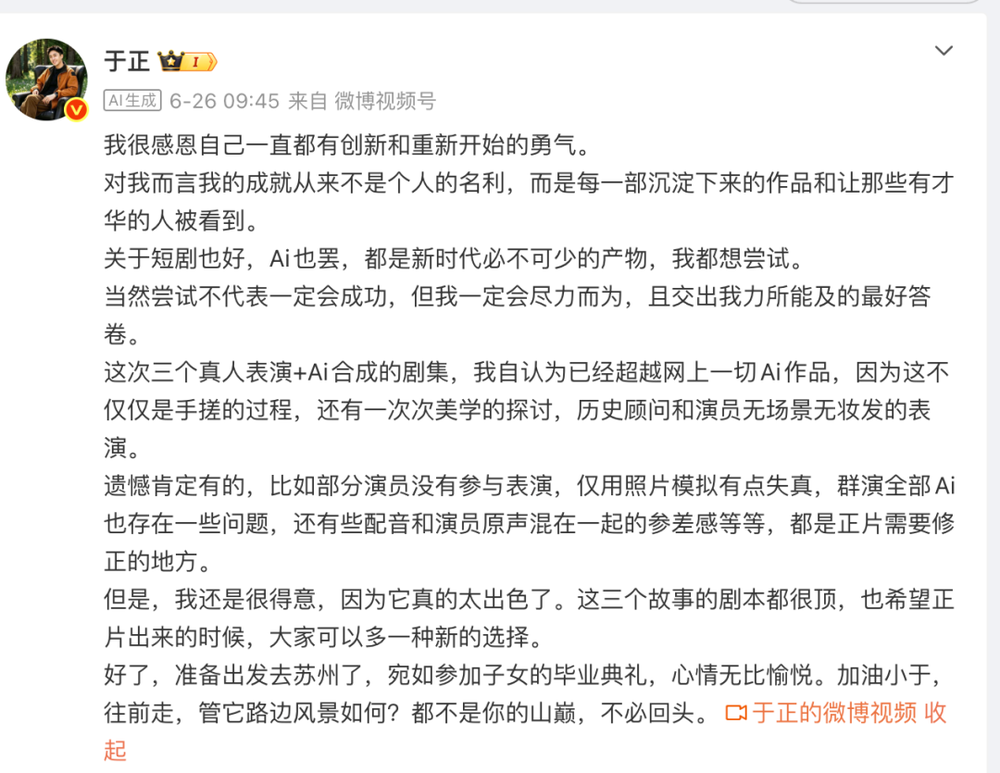
Long-form audiences remain highly sensitive to visible AI flaws, making full-stack AI production risky for films and television. Industry leaders are instead adopting human-led workflows where AI supports visual effects, previsualization, cleanup, quality control, and other production bottlenecks.


Kling AI Becomes Kuaishou’s Growth Engine

Kling AI Becomes Kuaishou’s Growth Engine

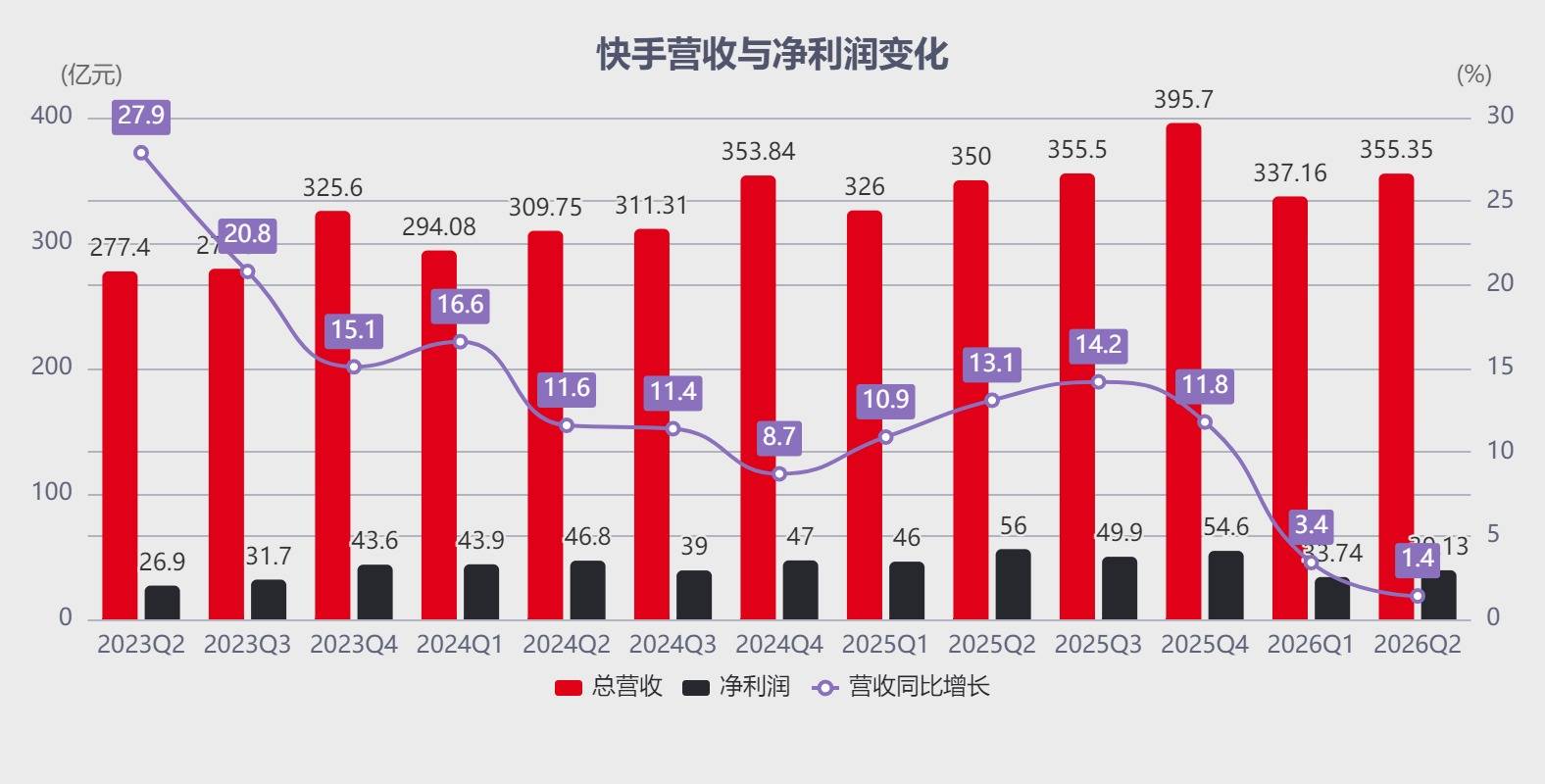
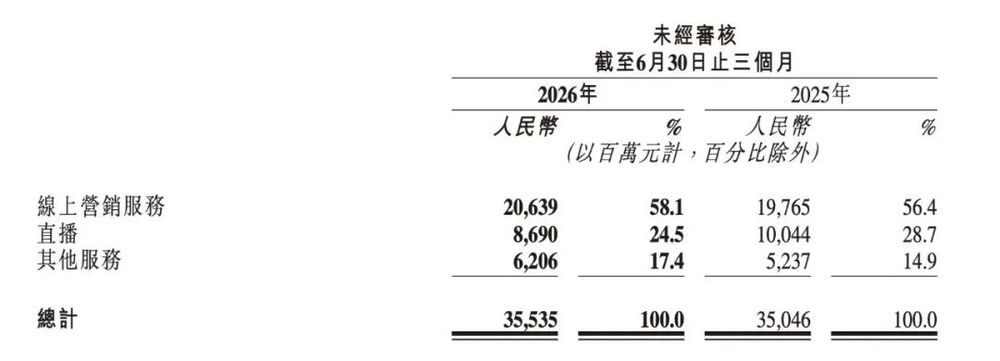
Kling AI generated more than RMB 850 million in Q2 revenue, up 240% year over year, making it the standout growth driver in Kuaishou’s otherwise slowing business. Kuaishou is prioritizing AI investment, spinning Kling AI out for independent financing at an implied valuation of US$18 billion despite near-term profit pressure.

Rapidus Bets on 2nm Without Fighting TSMC

Rapidus Bets on 2nm Without Fighting TSMC

Rapidus is pursuing mass production of advanced 2nm semiconductors through a large-scale Japanese national project. Instead of matching TSMC’s scale, the company plans to compete with RUMS, an integrated one-building production model designed for diverse, lower-volume manufacturing.

ITmedia AI+ (日本)Media5h ago#2nm#semiconductors#chip-manufacturing
Kling AI Raises $3 Billion as Kuaishou Splits Strategy

Kling AI Raises $3 Billion as Kuaishou Splits Strategy

Kuaishou’s Kling AI raised nearly $3 billion at a post-money valuation of $18 billion, with Kuaishou’s stake falling to 68.33% and a potential Hong Kong IPO targeted by 2031. Despite strong revenue growth, Kling faces slowing momentum, talent departures, and intense competition from ByteDance’s Seedance and open-source video models.

🎬

Kling AI Spins Out at $18B Valuation

Kuaishou is spinning out its Kling AI video-generation model into a separately financed company, attracting investment from Tencent, Alibaba Cloud, Baidu, and other institutions at an implied valuation of $18 billion. Kling has surpassed 100 million global users and nearly 50,000 enterprise customers, but continues to generate substantial losses because of compute costs.

Page 1