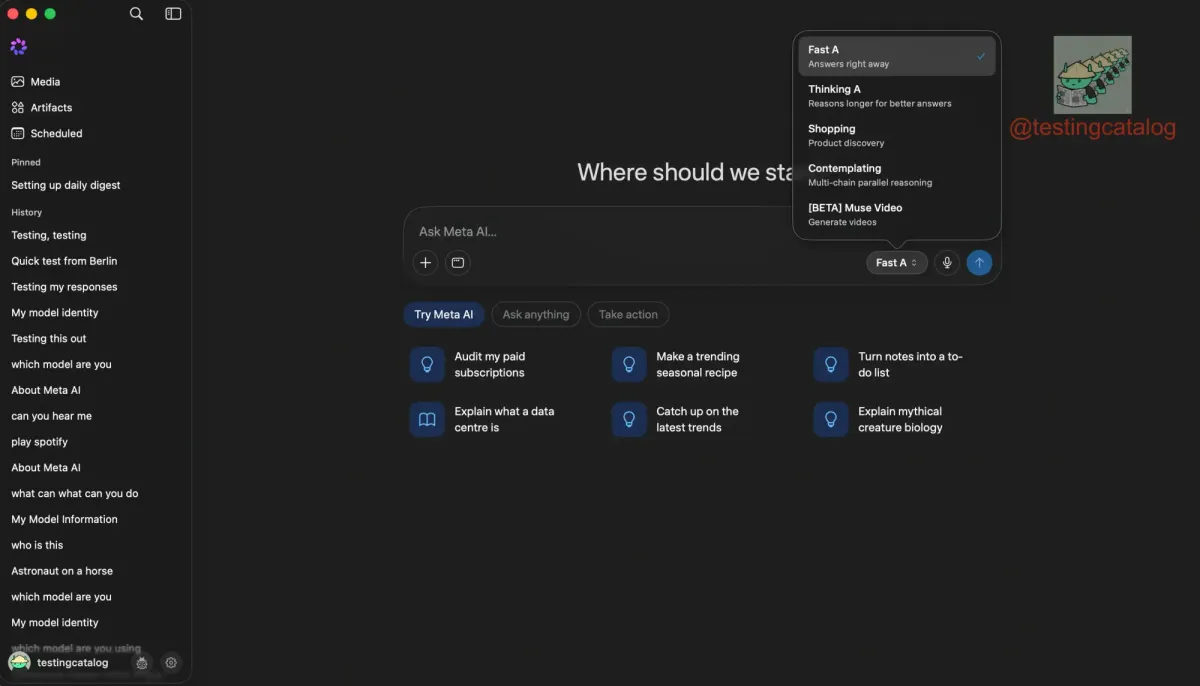
Meta’s Muse Video Enters Closed Beta
Meta’s Muse Video model has entered a closed beta, with early tests highlighting native audio generation. The model reportedly produces 10-second videos with strong visual detail and temporal consistency.
10 results on this page
Meta’s Muse Video model has entered a closed beta, with early tests highlighting native audio generation. The model reportedly produces 10-second videos with strong visual detail and temporal consistency.

NVIDIA demonstrates how developers can build real-time edge AI applications with Holoscan using its CLI, skills, documentation, and AI coding agents. The workflow leverages HoloHub’s reference applications and reusable components to help agents assist with development.
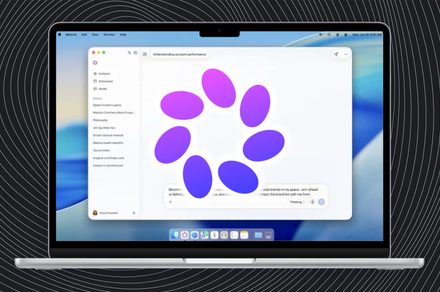
Meta has launched a dedicated AI assistant app for Mac. It can analyze shared windows, provide dictation across apps, and support creative and productivity tasks.

Google now lets users describe what they want to see in their Discover feed using natural language. The feature offers a more direct alternative to relying solely on algorithmic recommendations.

Android 17 introduces stricter per-app memory limits that can slow or terminate apps consuming excessive memory. The change is designed to protect overall device performance when one app becomes a memory hog.

Qualcomm updated its Snapdragon C power-efficiency presentation nearly a week after publishing the original claims. The revised slide removes results for idle apps and web browsing.

A developer used Claude Code to create a native macOS laser printer driver for the Windows-only HP Laser 1008a. A Linux container workaround enables system-wide Cmd-P printing, and the driver is available on GitHub.

Banma Intelligence is shifting its automotive software strategy from traditional smart cockpits toward AI-native vehicles. The company is focusing on on-device omni-models, AI agents, and AI operating systems that could make cars more autonomous and context-aware.
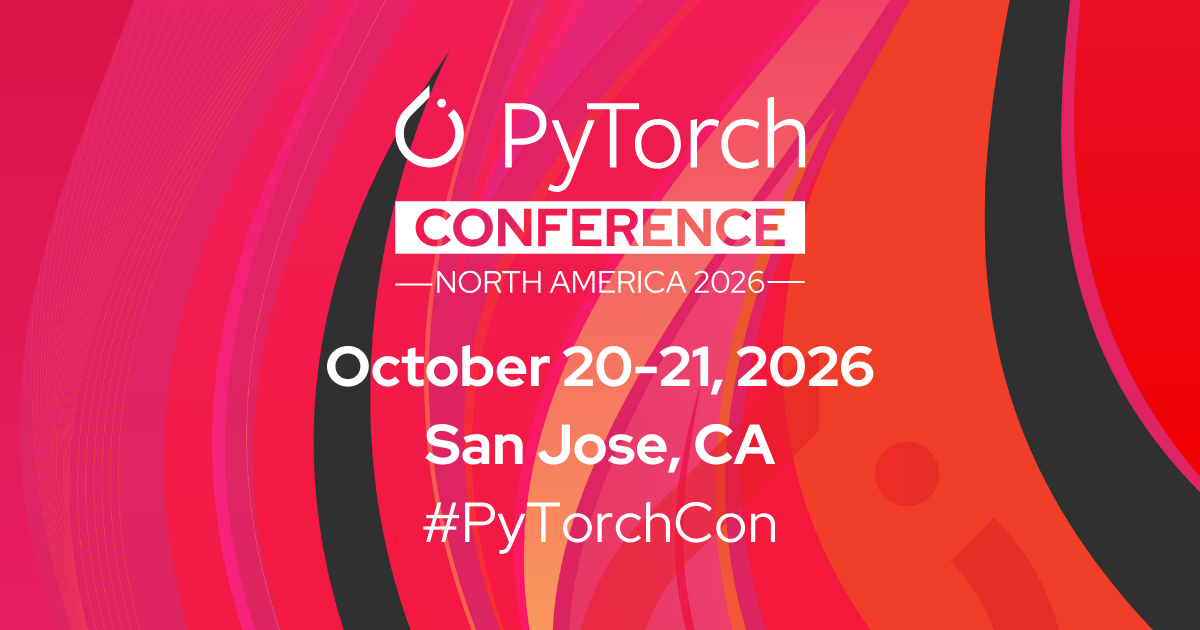
PyTorch has announced the keynote speaker sessions for PyTorch Conference North America 2026, scheduled for October 20–21 in San Jose, California. The program will cover PyTorch updates and native PyTorch support on Trainium, among other topics.
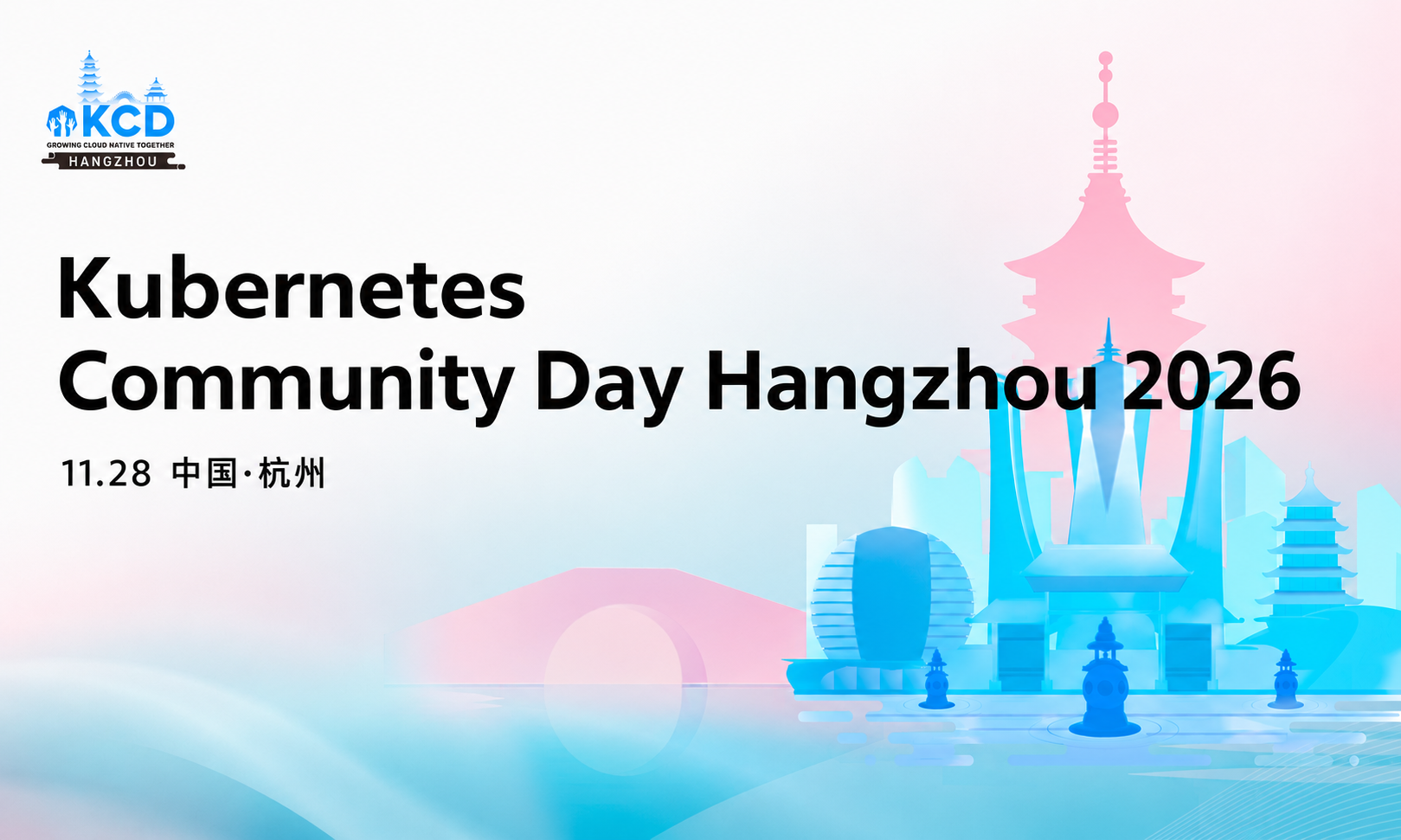
KCD Hangzhou has opened its call for papers, inviting the community to discuss cloud native technologies, observability, and large-model inference in the Agent era. The announcement targets practitioners interested in sharing or learning about the infrastructure behind AI agents.