Claude Code Builds a Mac Printer Driver
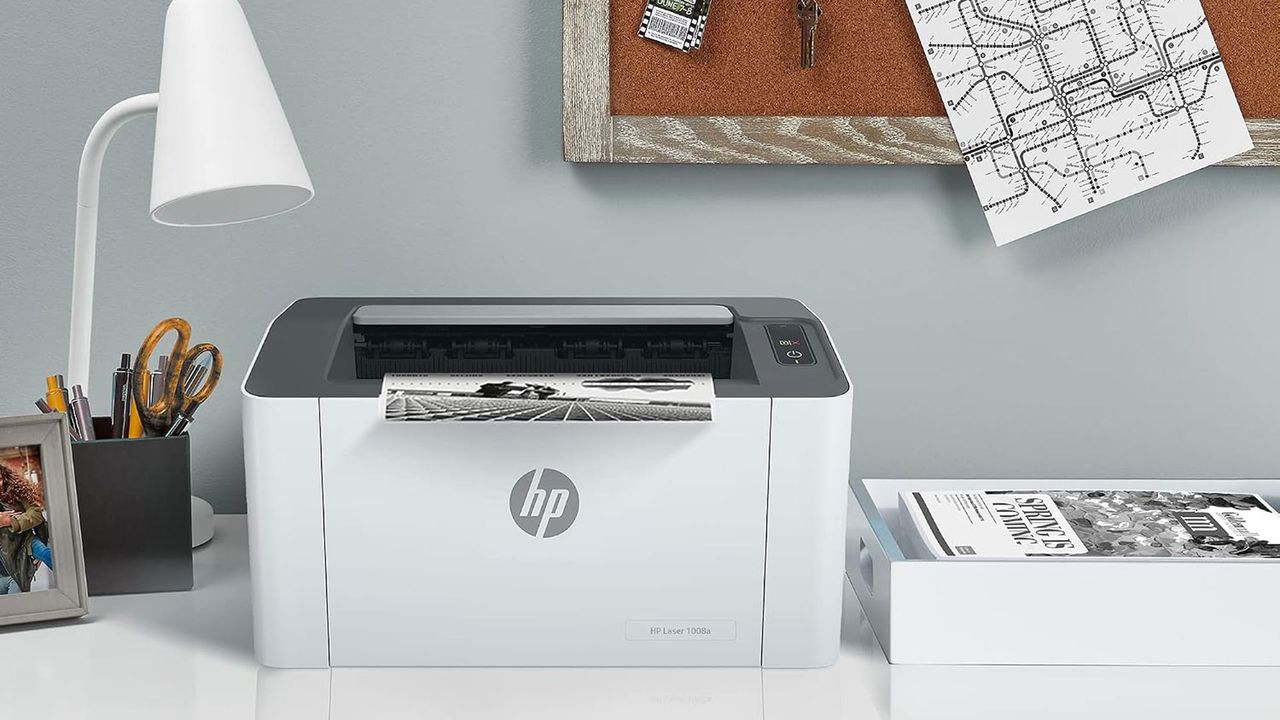
💡See how Claude Code, Linux containers, and systems knowledge revived an unsupported printer on macOS.
⚡ 30-Second TL;DR
What Changed
Claude Code was used to build a macOS driver for the HP Laser 1008a.
Why It Matters
The project demonstrates how coding agents can help solve niche hardware compatibility problems that may not justify commercial driver development. It also highlights the value of combining AI-generated code with containerization and practical systems engineering.
What To Do Next
Inspect the GitHub driver repository and reproduce its Claude Code workflow on one unsupported peripheral in your own lab.
Key Points
- •Claude Code was used to build a macOS driver for the HP Laser 1008a.
- •The printer was originally designed for Windows users.
- •A Linux container hack enables system-wide Cmd-P printing, with the driver hosted on GitHub.
🧠 Deep Insight
AI-generated analysis for this event.
🔑 Enhanced Key Takeaways
- •The project utilizes a CUPS (Common Unix Printing System) backend that communicates with a Docker container running a specialized driver, effectively bridging the gap between macOS and Windows-only hardware.
- •Claude Code acted as an autonomous agent, iteratively writing, debugging, and refining the Python-based wrapper code required to translate macOS print jobs into a format the HP Laser 1008a understands.
- •This implementation bypasses the need for proprietary HP drivers by leveraging the printer's underlying PCL (Printer Command Language) support, which is often hidden or undocumented in consumer-grade Windows-only models.
- •The developer reported that Claude Code's ability to read and interpret existing Linux-based open-source printer drivers was critical to successfully reverse-engineering the communication protocol.
- •The solution requires the user to maintain a background Docker daemon, which introduces a slight latency in print job initiation compared to native drivers but provides full system-wide integration.
🛠️ Technical Deep Dive
- Architecture: Employs a CUPS filter script that intercepts print data (PDF/PostScript) and pipes it into a containerized environment.
- Containerization: Uses a lightweight Linux container (typically Alpine or Debian-slim) to host the driver logic, ensuring isolation from the host macOS kernel.
- Protocol Translation: The driver converts standard print streams into the specific binary format required by the HP Laser 1008a, likely utilizing the PCLm or PCL6 standard.
- Integration: Registered as a virtual printer in the macOS System Settings, allowing it to appear as a standard device in the print dialog (Cmd-P).
🔮 Future ImplicationsAI analysis grounded in cited sources
⏳ Timeline
Weekly AI Recap
Read this week's curated digest of top AI events →
👉Related Updates

AI-curated news aggregator. All content rights belong to original publishers.
Original source: Tom's Hardware ↗