
Customize Discover with Natural Language
Google now lets users describe what they want to see in their Discover feed using natural language. The feature offers a more direct alternative to relying solely on algorithmic recommendations.
Few direct matches — filled in with the latest updates.
Tag: #feed-personalization2 results
Google now lets users describe what they want to see in their Discover feed using natural language. The feature offers a more direct alternative to relying solely on algorithmic recommendations.

Threads launches 'Dear Algo' AI feature for feed personalization. Users instruct the algo on temporary content preferences. It allows specifying more or less of certain feed elements.

KCD Hangzhou has opened its call for papers, inviting the community to discuss cloud native technologies, observability, and large-model inference in the Agent era. The announcement targets practitioners interested in sharing or learning about the infrastructure behind AI agents.

The article examines how AI infrastructure is developing commodity-like markets as GPU shortages make compute capacity increasingly valuable. It suggests Wall Street may begin treating AI compute similarly to oil or other tradable resources.

Wispr Flow is a voice dictation tool designed for Windows, macOS, iOS, and Android. The article highlights its smoother user experience compared with built-in device voice-text tools and explains how to try it for free.
Cloudflare is previewing a feature that automatically adds WebMCP support to webpages. The update could simplify how developers make web experiences accessible to AI agents.

Hugging Face highlights LFM2.5-DSpark as delivering up to 3.2x faster inference. The provided article content does not include benchmark conditions, hardware details, or implementation guidance.

Ramp has launched Router, an AI model routing service that allows users and companies to access and switch between multiple large language models. The service is available through an API.
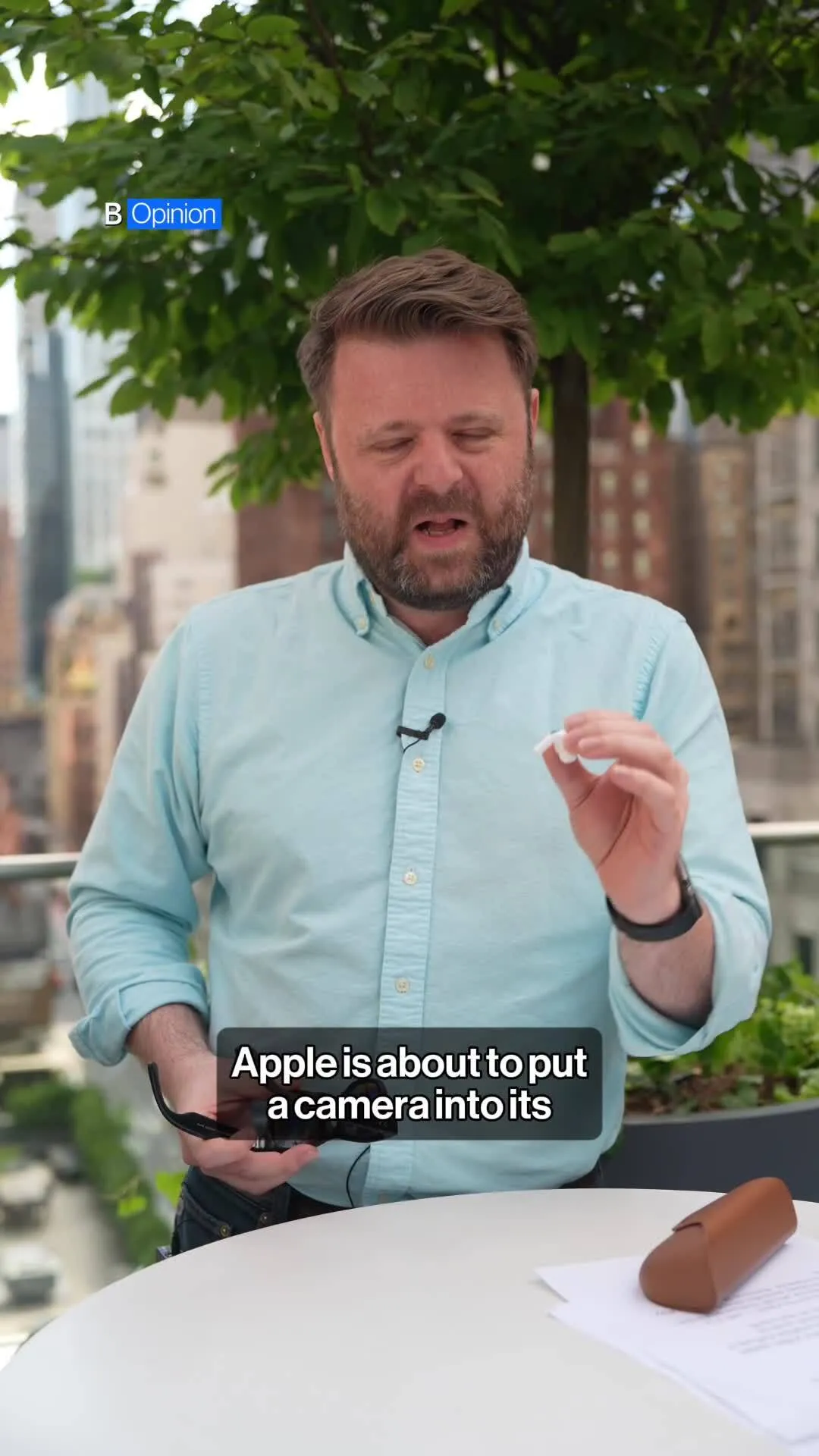
Bloomberg Opinion examines Apple’s plans for AI-enhanced AirPods and smart glasses. The article argues that Apple should learn from Meta’s mistakes as it develops AI-powered wearable products.

Tactile robotics is expanding from sensor hardware into datasets, foundation models, and evaluation benchmarks. Research shows touch improves physical reasoning and robot success, but inconsistent sensor formats create major cross-device transfer challenges.