Audio
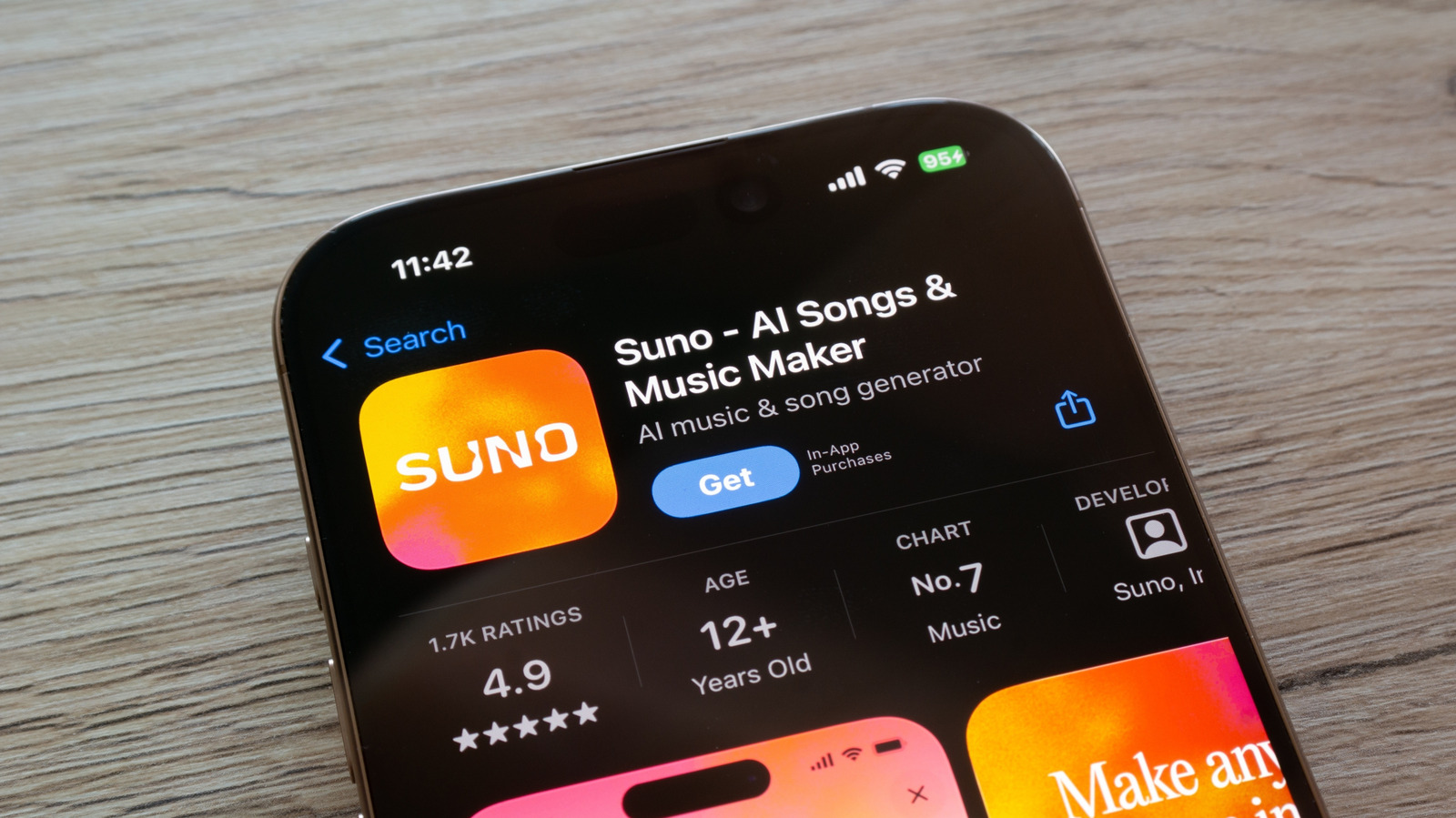
Suno Adds Watermarks to AI-Generated Songs
Suno is adding audio watermarks to its AI-generated songs, making them easier to identify. The update could improve transparency around whether a song was created with AI.
Engadget · 50d ago
Every story we have kept, newest first.
Looking for the daily editions? → Past editions
Page 229 of 1375
Suno is adding audio watermarks to its AI-generated songs, making them easier to identify. The update could improve transparency around whether a song was created with AI.
Engadget · 50d ago
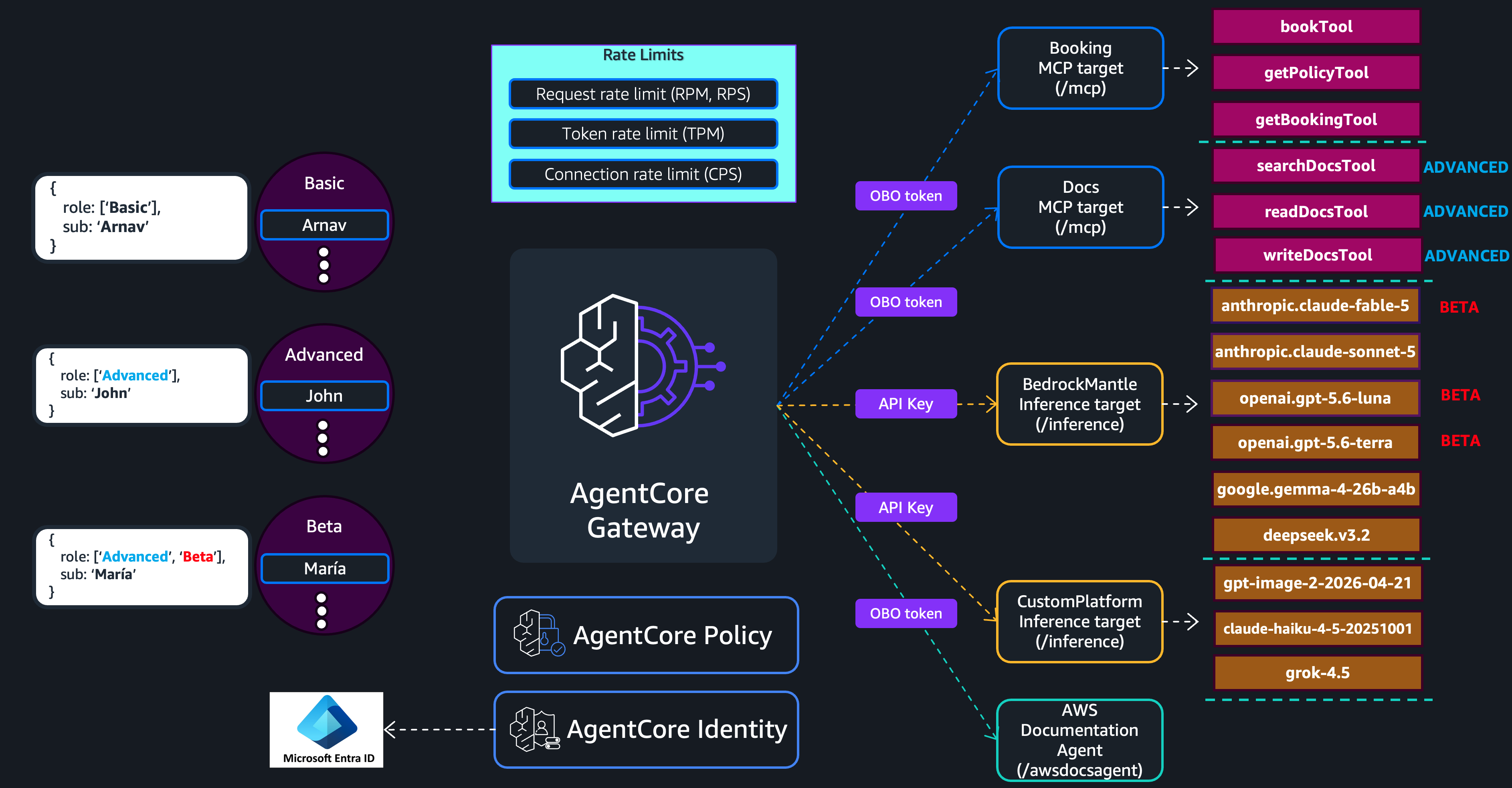
Amazon Bedrock AgentCore Gateway now supports configurable rate limits for AI traffic. Practitioners can enforce per-user and per-target controls for requests, tokens, and connections using JWT claims or IAM identities.
AWS Machine Learning Blog · 50d ago
DeepSeek is reportedly reopening a multibillion-dollar fundraising round after demonstrating that capable AI models can be developed at lower cost. The Chinese AI lab has also taken a stake in a leading Chinese robotics maker, signaling broader ambitions beyond language models.
The Next Web (TNW) · 50d ago

Suno plans to introduce watermarking, fingerprinting, and transparency tools to make AI-generated tracks easier to identify. The company also aims to work with distribution platforms to combat fraud and misuse.
The Verge · 50d ago

Ford has named its affordable midsize electric pickup the Fathom, with a starting price of $29,945 including destination. The truck includes BlueCruise, bidirectional charging, and a frunk as standard, and is the first model built on Ford’s Universal EV Platform.
The Next Web (TNW) · 50d ago

OpenAI is giving ChatGPT Free and Go users unlimited text chats. The plans are also receiving a new Think button designed for complex queries.
TechCrunch AI · 50d ago
Nvidia is assembling a new AI safety and security engineering team, according to job listings reported by Business Insider. The hiring push appears focused on making trust a business advantage as customers evaluate whether to deploy increasingly capable AI systems.
The Next Web (TNW) · 50d ago
A research discussion explores automatically replacing recurring LLM workloads with typed DAGs built from regexes, parsers, traditional ML, and NLP operators. The proposed system would synthesize and validate pipelines, optimize quality, cost, and latency, and fall back to a frontier model when uncertainty is high.
Reddit r/MachineLearning · 50d ago

The article argues that platform engineering maturity is becoming a key differentiator in whether enterprise AI applications succeed. It frames reliable platform capabilities as an important foundation for turning AI initiatives into deployable business solutions.
InfoQ中国 · 50d ago

The article explores how WorkBuddy could reshape legal workflows by moving beyond the role of a standalone tool toward that of a working partner. Its focus is on applying AI capabilities to support legal professionals' day-to-day processes.
InfoQ中国 · 50d ago

Naïve has raised $28.5 million to build infrastructure that automates much of the work involved in setting up and running a company. The company positions its approach as taking vibe-coding beyond software creation and into broader business operations.
TechCrunch AI · 50d ago

OpenAI will remove text-chat rate limits for ChatGPT Free and Go users starting next week. The company is also adding a Think button for higher reasoning, while file uploads and image messages will remain subject to limits.
The Verge · 50d ago

Tesla owners reportedly experienced frequent overheating warnings after running the FSD V14 Lite release on older HW3 vehicles. Some reports allege that the Autopilot computer was permanently damaged and required replacement, potentially affecting millions of vehicles.
cnBeta (Full RSS) · 50d ago

GitHub is integrating OpenSSF’s malicious-packages data into the Advisory Database, extending malware coverage beyond npm. The post explains how GitHub built a cautious, security-focused pipeline for processing these advisories.
GitHub Blog · 50d ago
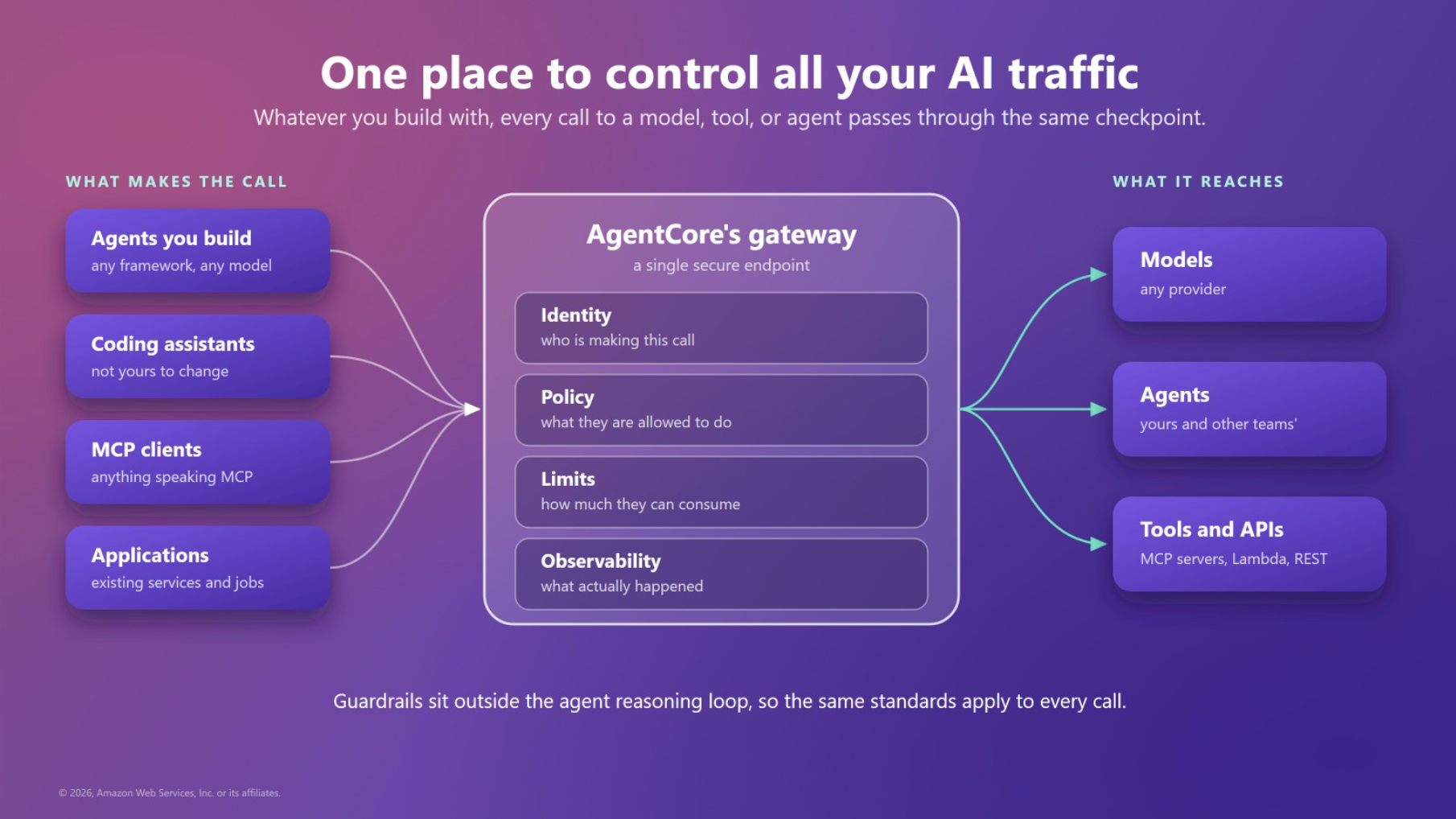
Amazon Bedrock AgentCore introduces temporal policies powered by Dogwood, an open-source policy language for AI agents. It also adds gateway rate limiting to control action sequences and enforce cost ceilings regardless of agent behavior.
AWS Machine Learning Blog · 50d ago
This analysis examines Snowflake’s evolving role in the Data+AI landscape, focusing on ontology, enterprise-grade intelligent agents, and changing perceptions of agent technology. It frames these developments as a mid-year industry reflection rather than a specific product launch.
InfoQ中国 · 51d ago
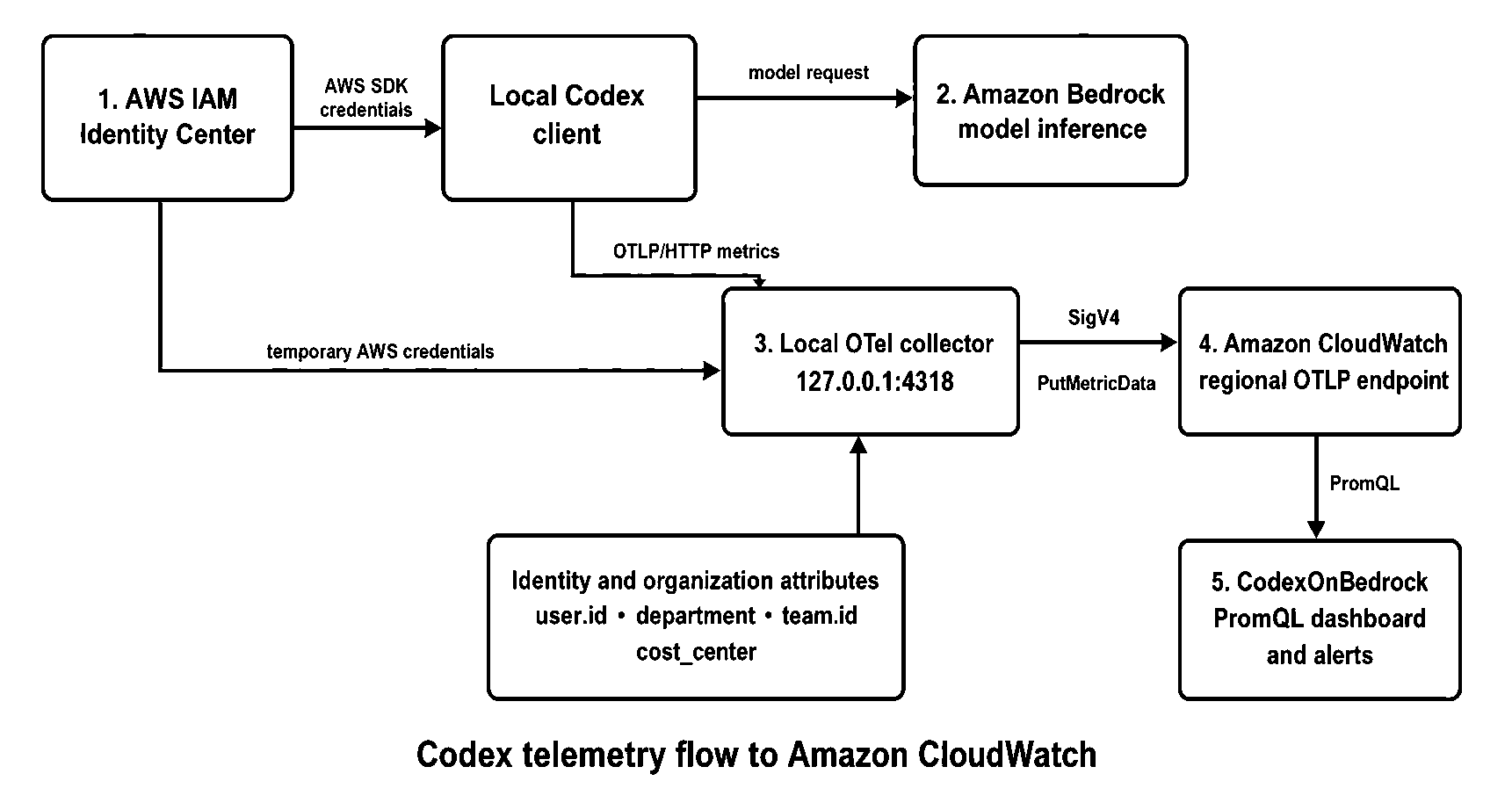
This guide shows how to route Codex OpenTelemetry metrics through a local collector into Amazon CloudWatch. The setup gives engineering leaders an AWS-native view of adoption, consumption, reliability, and usage by user, team, or cost center.
AWS Machine Learning Blog · 51d ago
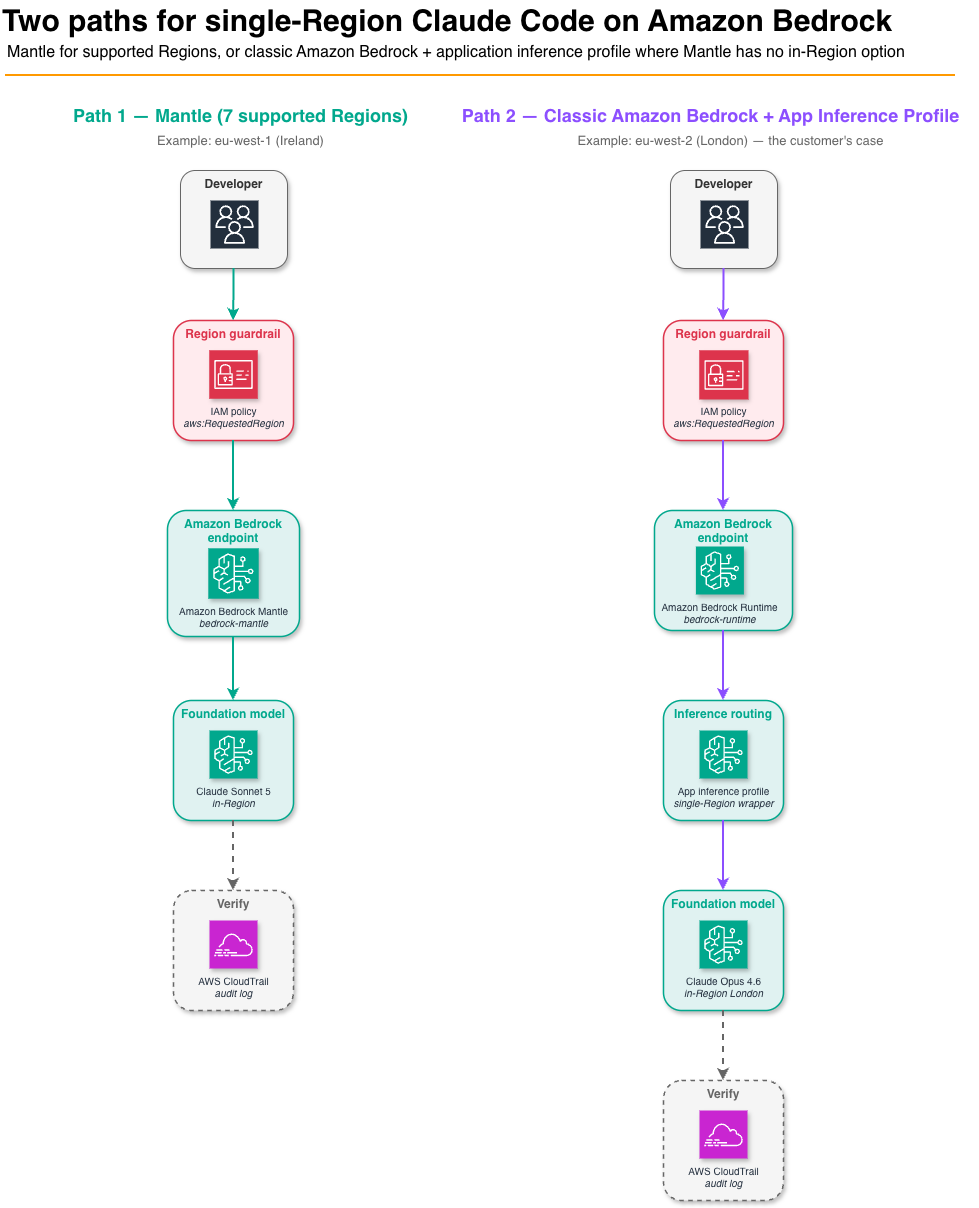
AWS demonstrates how regulated customers can force Claude Code inference on Amazon Bedrock to remain in a single AWS Region, such as London. The approach combines an application inference profile or Mantle endpoint with an IAM Region condition and CloudTrail verification.
AWS Machine Learning Blog · 51d ago
Sequoia Capital co-stewards Alfred Lin and Pat Grady discuss the firm’s next chapter and its $10 billion plan for the AI economy. They explain the rationale behind the firm’s major investment in Anthropic, renewed semiconductor focus, and adaptation of its investment philosophy for the AI era.
Bloomberg Technology · 51d ago
The article examines growing disillusionment among technology workers as AI threatens jobs, accelerates work expectations, and strips away the human elements of collaboration. It argues that knowledge workers have turned employment into a source of identity and meaning, making AI-driven change an existential crisis rather than merely an economic one.
虎嗅 · 51d ago
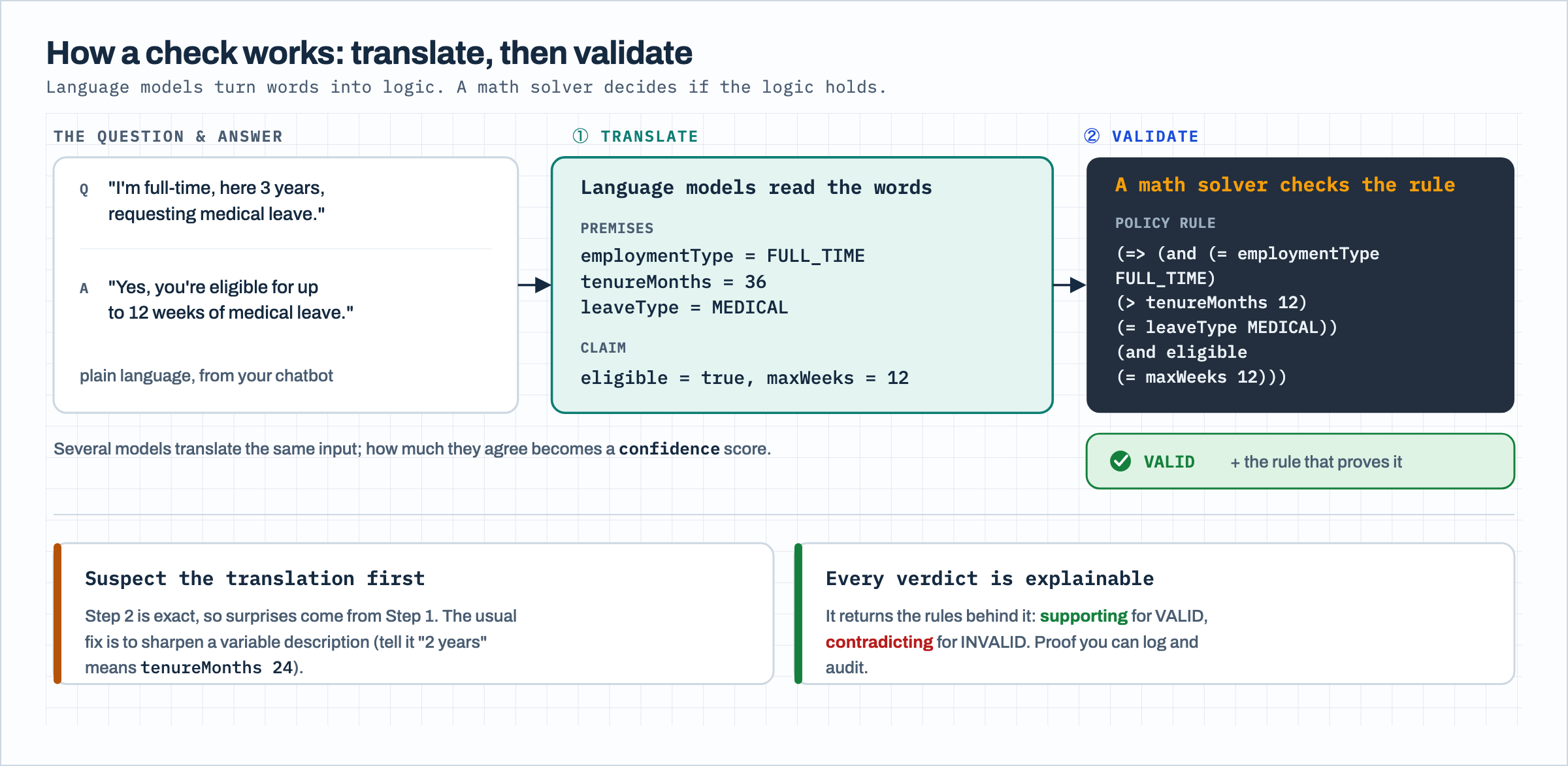
Amazon Bedrock Agent Skills let coding agents manage the complete Automated Reasoning policy lifecycle. The open source skills can build, review, test, debug, deploy, and validate custom policies through a repeatable engineering workflow.
AWS Machine Learning Blog · 51d ago

Qwen 3.8-Max’s benchmark results vary dramatically depending on time, token, and effort budgets. The article argues that practitioners should evaluate models using cost per successful task rather than price per token or headline scores.
VentureBeat · 51d ago
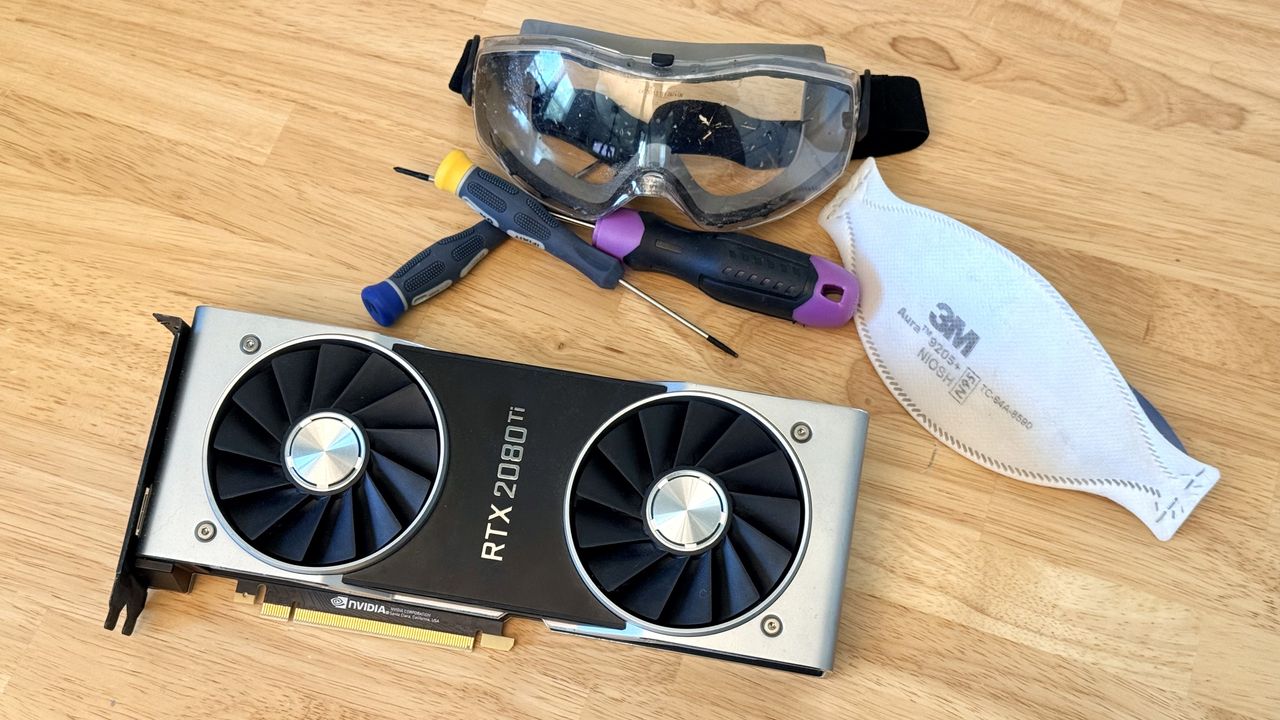
Pre-modded RTX 2080 Ti cards with 22GB of memory are appearing on eBay for about $499. The upgrade targets local AI users who need more VRAM for larger models and workloads.
Tom's Hardware · 51d ago
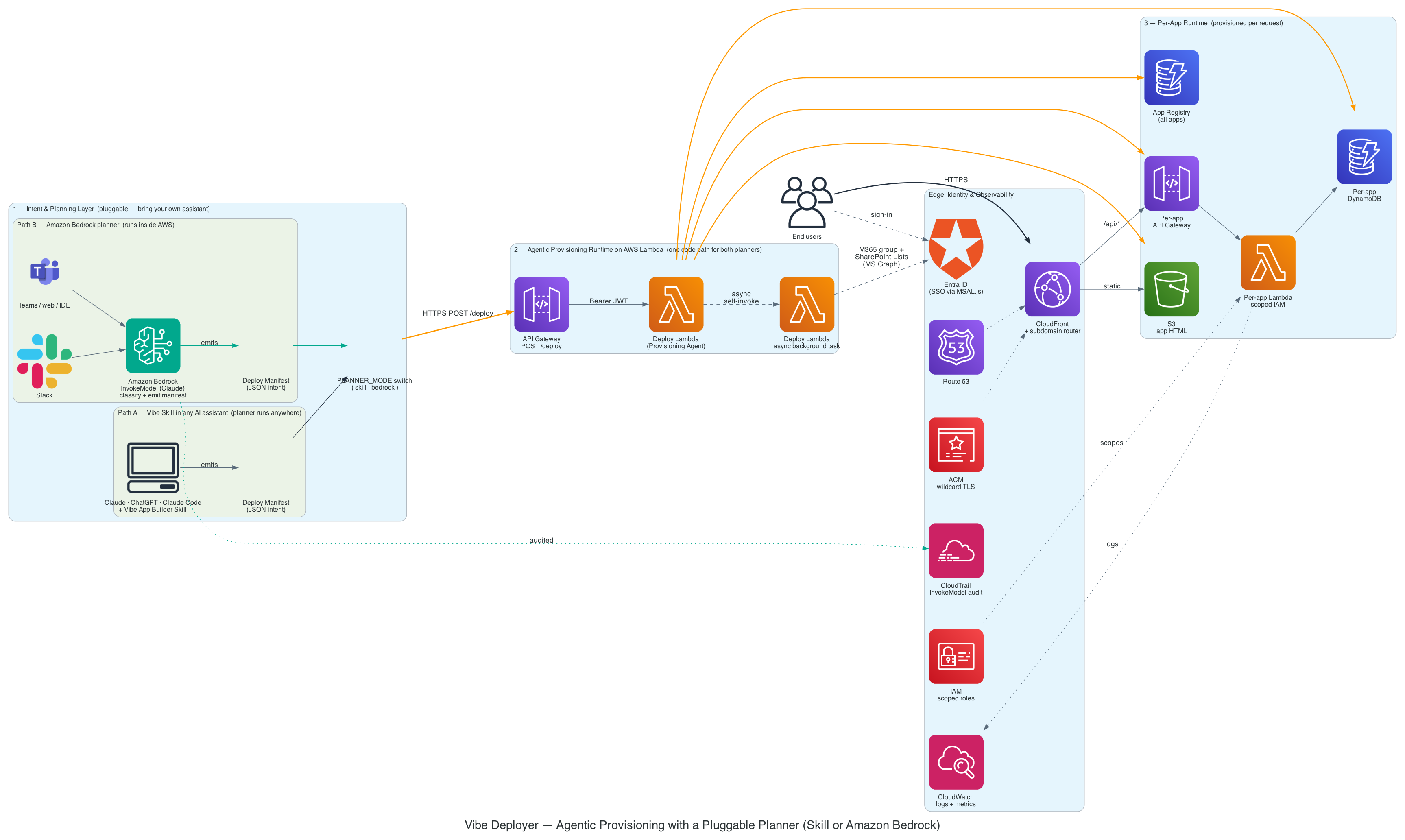
PDI Technologies built PDI Brew, an agentic platform that lets non-technical employees describe tools in plain English and receive fully provisioned, multi-tenant web applications within seconds. A pluggable planner and AWS Lambda provisioning agent translate intent into governed applications backed by Amazon Bedrock.
AWS Machine Learning Blog · 51d ago

Amazon SageMaker Python SDK v3 now brings generative AI inference recommendations directly into the Amazon SageMaker AI notebook workflow. Practitioners can benchmark an endpoint, generate data-driven deployment recommendations, and deploy the selected configuration without leaving the notebook.
AWS Machine Learning Blog · 51d ago

This article explains how to decide between using skills and delegating work to subagents when designing AI agent workflows. It likely focuses on matching each approach to task complexity, autonomy, and coordination needs.
InfoQ中国 · 51d ago

The emerging “poison AI” movement seeks to sabotage models such as ChatGPT and Gemini by contaminating their training data. Although aimed at major technology companies, poisoned data could also harm ordinary users and smaller organizations.
TechRadar AI · 51d ago

The California Teamsters union is suing the state over new regulations for self-driving trucks. The union argues that the rules could eventually put around 400,000 jobs at risk.
Engadget · 51d ago

Gen Z dating apps such as Ditto are moving away from swipe-based discovery in response to users' growing dissatisfaction with conventional dating platforms. These services are experimenting with AI matchmakers as an alternative way to connect people.
TechCrunch AI · 51d ago

The inaugural Santa Cruz PyTorch Meetup gathered 45 local engineers, students, and leaders. Talks covered GPU/CUDA technologies and lightning presentations on chemistry, plant health, and autonomous driving.
PyTorch Blog · 51d ago