
Oura Ring prepares for $11B IPO as AI health platform
Finnish smart ring maker Oura has filed for an IPO with an $11 billion valuation, shifting its business model from hardware sales to an AI-driven health management platform.
Tag: #wearable-tech24 results
Finnish smart ring maker Oura has filed for an IPO with an $11 billion valuation, shifting its business model from hardware sales to an AI-driven health management platform.

Researchers have developed a new AR display technology designed to enhance real-world visibility while maintaining high-quality virtual object rendering. This advancement aims to make future smart glasses safer and more practical for daily use.
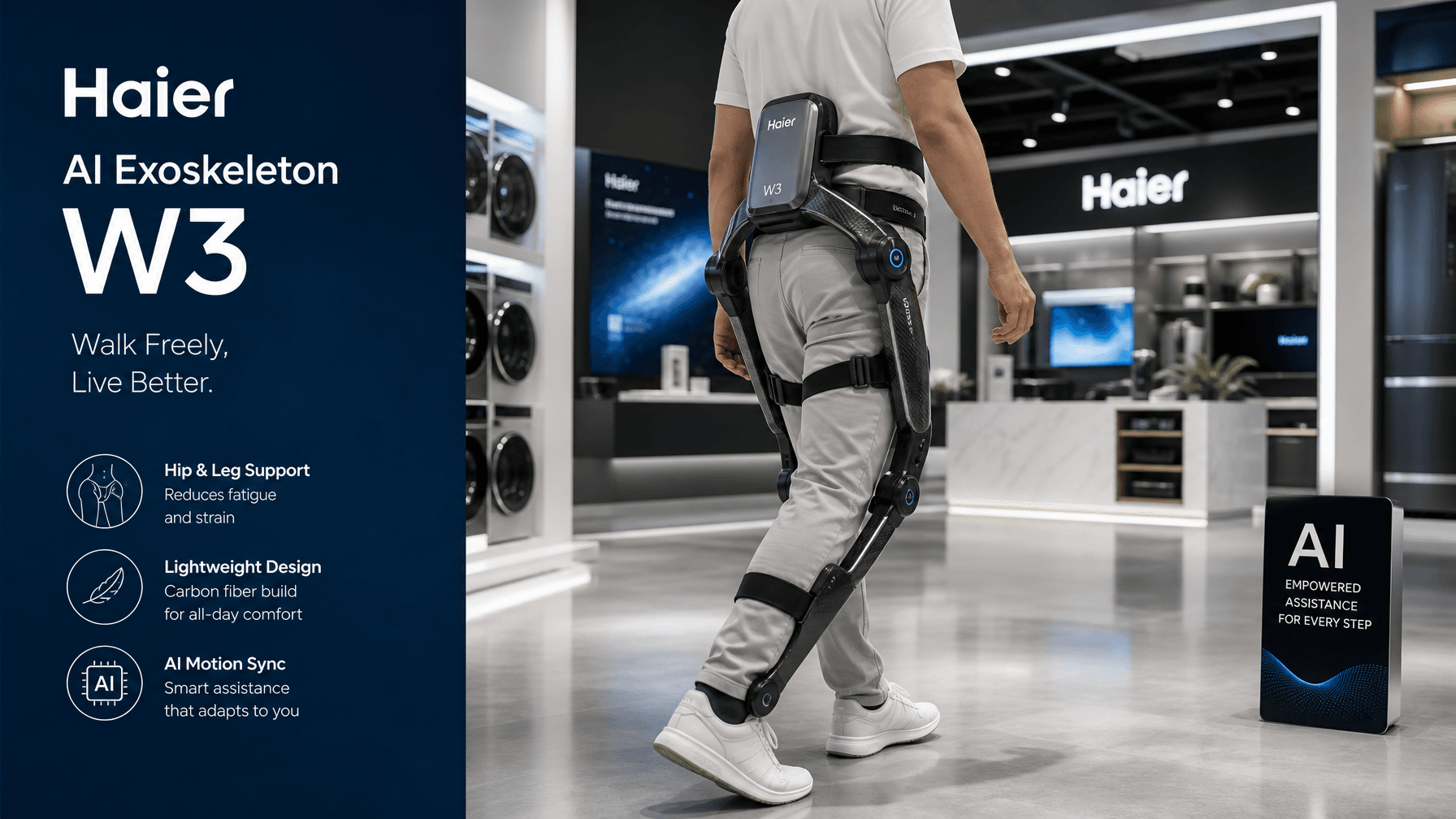
Haier has released its third-generation AI exoskeleton, the W3, priced at $2,200 and weighing 1.75 kg. It features real-time AI gait learning to adapt to individual walking patterns, currently available in Guangzhou retail stores.
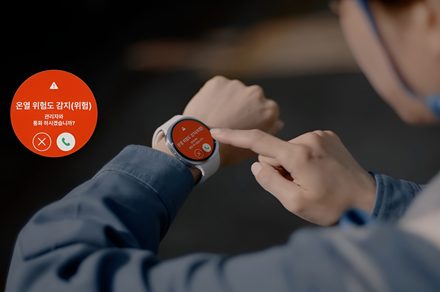
Samsung is integrating Galaxy Watches with environmental sensors and predictive algorithms to proactively manage heat-related health risks for outdoor workers. This system alerts managers when employees approach dangerous levels of heat stress.

Auge Robotics is transitioning from industrial/medical exoskeletons to consumer-grade outdoor gear, leveraging AI-driven gait analysis for real-time assistance. The company is building a 'tech + tourism' ecosystem to drive mass adoption.

Google announced its new Android XR-based AI glasses in partnership with Gentle Monster and Warby Parker, but the product lacks unique features compared to existing market leaders like Meta. The glasses rely on Gemini but currently lack deep integration with the Pixel ecosystem.

Researchers propose a hybrid architecture combining Kolmogorov-Arnold Networks (KANs) and Multi-Layer Perceptrons (MLPs) to improve Human Activity Recognition (HAR). By leveraging KANs for input embedding and classification while retaining MLPs for feature mixing, the model achieves a 5.33% improvement in F1 scores over pure-MLP baselines.
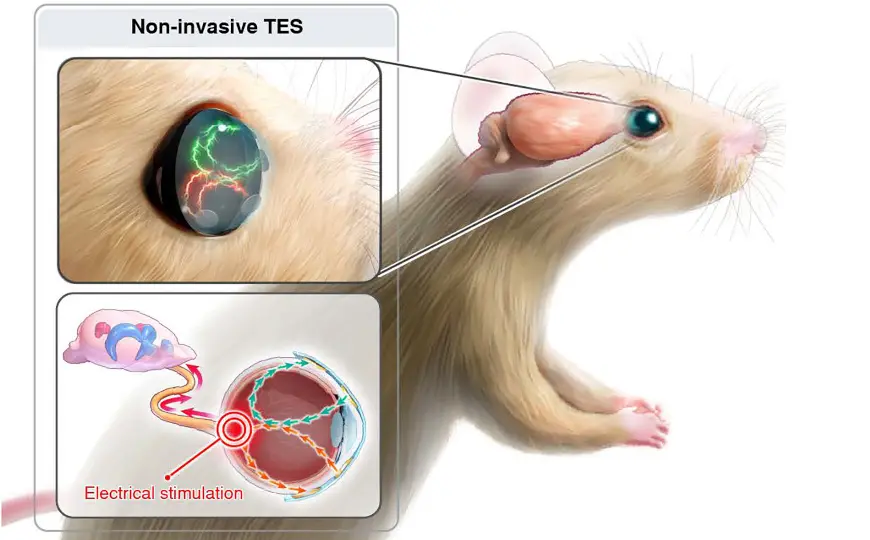
Yonsei University researchers developed a smart contact lens that stimulates the retina to produce antidepressant effects in mice. The study, published in Cell Reports Physical Science, suggests a non-invasive pathway for mental health treatment.

A new Apple job listing indicates the company is actively researching the integration of health and fitness tracking capabilities into its future AR/VR glasses and headsets. This suggests a strategic shift toward positioning wearable spatial computing devices as comprehensive health companions.
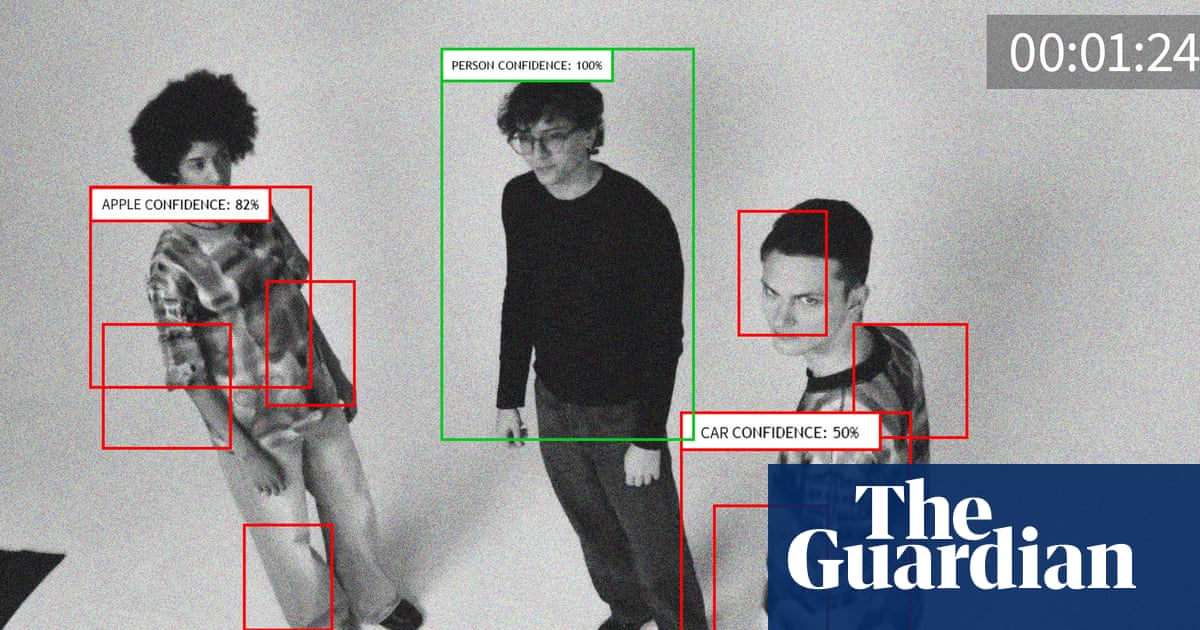
Designers are creating garments with specific patterns designed to exploit vulnerabilities in computer vision systems. These adversarial designs aim to provide privacy protection against public surveillance while serving as a fashion statement.