
Ramp Launches Router for Multi-Model AI Access
Ramp has launched Router, an AI model routing service that allows users and companies to access and switch between multiple large language models. The service is available through an API.
10 results on this page
Ramp has launched Router, an AI model routing service that allows users and companies to access and switch between multiple large language models. The service is available through an API.
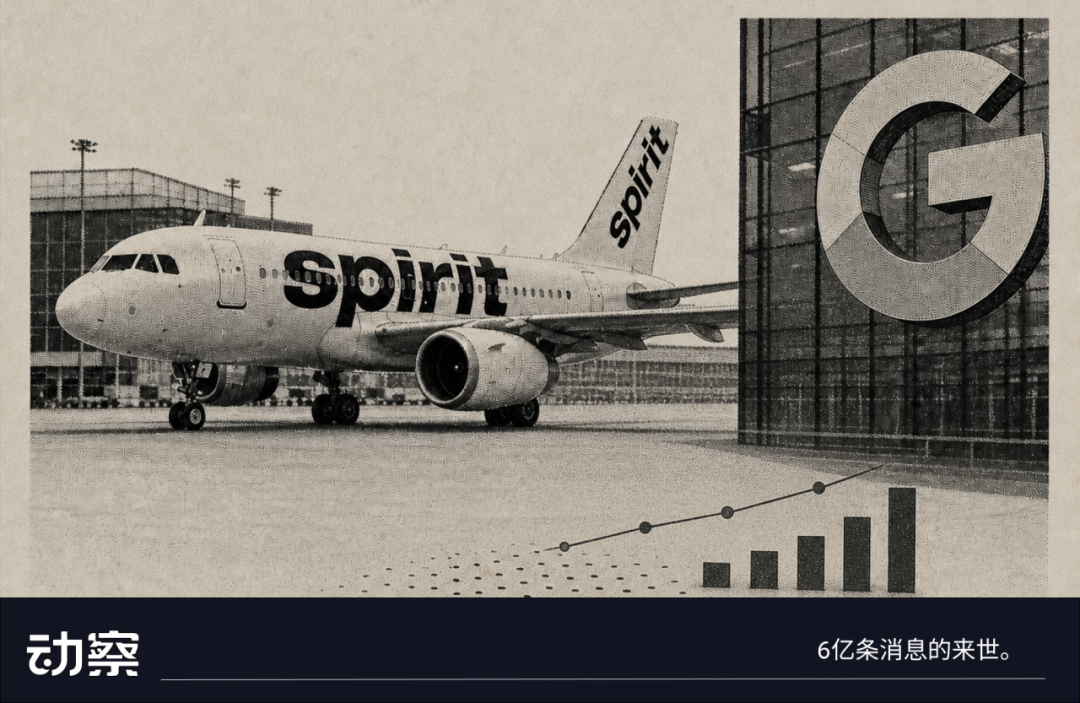
Google reportedly bid $10 million for Spirit Airlines’ internal enterprise data, including approximately 100 million emails and 500 million Microsoft Teams messages, in a bankruptcy asset auction. The deal signals the emergence of a market for acquiring sanitized corporate communications and work records to train AI systems and enterprise agents.
China has reportedly allowed ByteDance and Tencent to import 10,000 NVIDIA H200 chips each, according to the Financial Times. Other Chinese companies could receive similar approval, potentially easing access to advanced AI computing hardware.
Mayfield has invested more than $3 billion in AI companies, often before founders have built products or formally incorporated. Managing Partner Navin Chaddha explains the firm’s belief in AI as a potential “100x opportunity” and its decision to remain focused on early-stage investing.

The US Trade Representative’s reference to “digital trade alignment” in talks with Prime Minister Mark Carney’s government is raising concerns in Canada. Critics worry the agreement could limit Canada’s ability to independently regulate technology companies and AI.

Chinese AI companies are optimising software to handle growing inference demand while access to high-end Nvidia processors remains limited. Domestic chips can support some inference workloads, but complex coding tasks still depend partly on scarce Nvidia capacity.
Meta Platforms has reportedly become one of Microsoft’s largest AI customers. The development suggests that demand for emerging AI technology remains heavily concentrated among major technology companies.
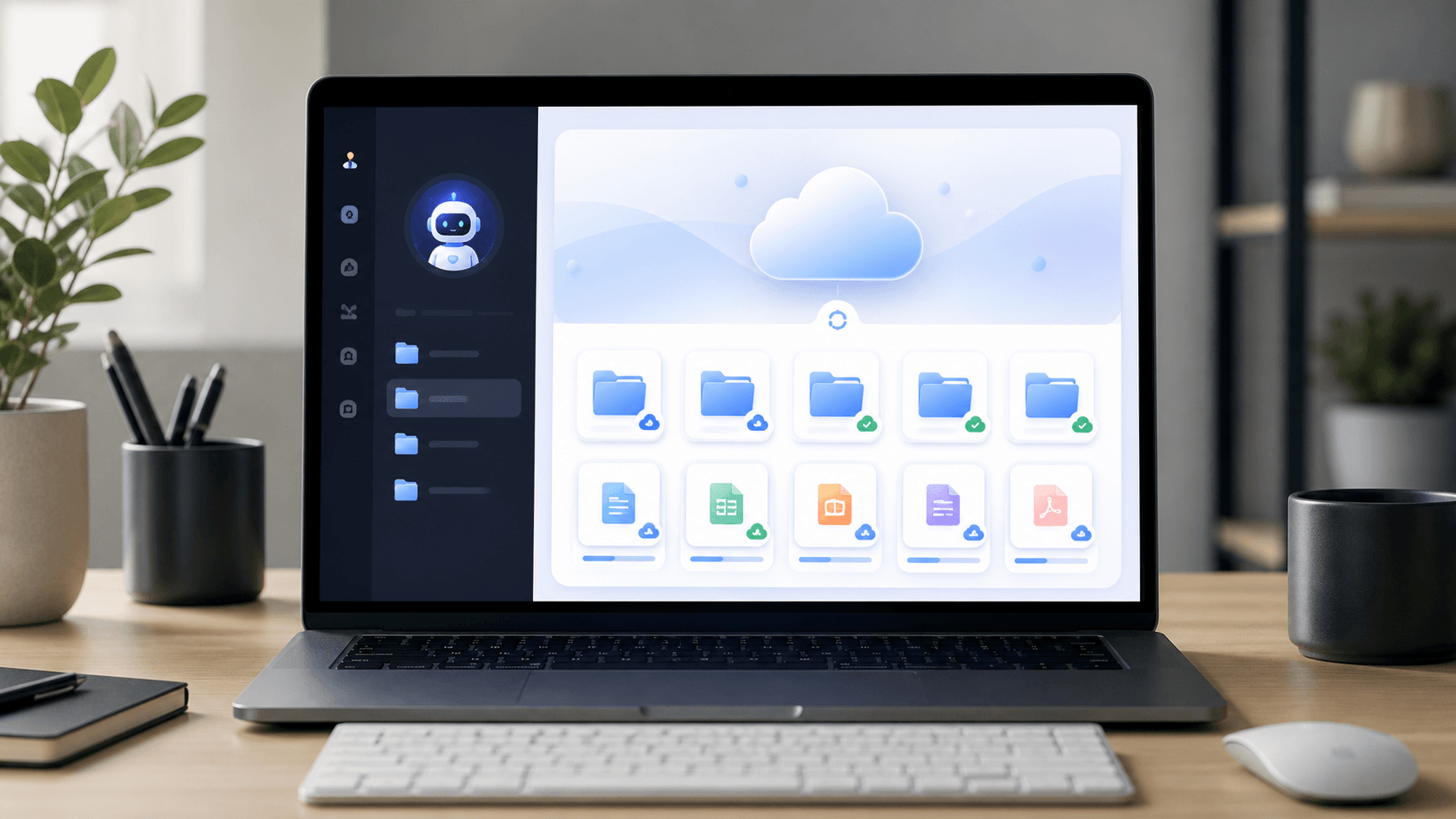
MiniMax launched MiniMax Design, a production workflow built around its H3 video model. The platform organizes professional video capabilities into executable nodes for continuous editing, collaboration, and delivery across video, image, music, and voice generation.

ByteDance’s Seed foundation-model division has reportedly completed another internal restructuring. Its foundation-model organization now includes four first-level departments focused on pretraining data, reinforcement learning, product post-training for work, and product post-training for chat.

The European Commission appears to be moving away from imposing exceptionally large fines on major technology companies and toward compliance-focused dialogue. Critics warn that this softer approach could allow dominant platforms to further entrench their market power.