Canada’s AI Autonomy Faces US Trade Pressure
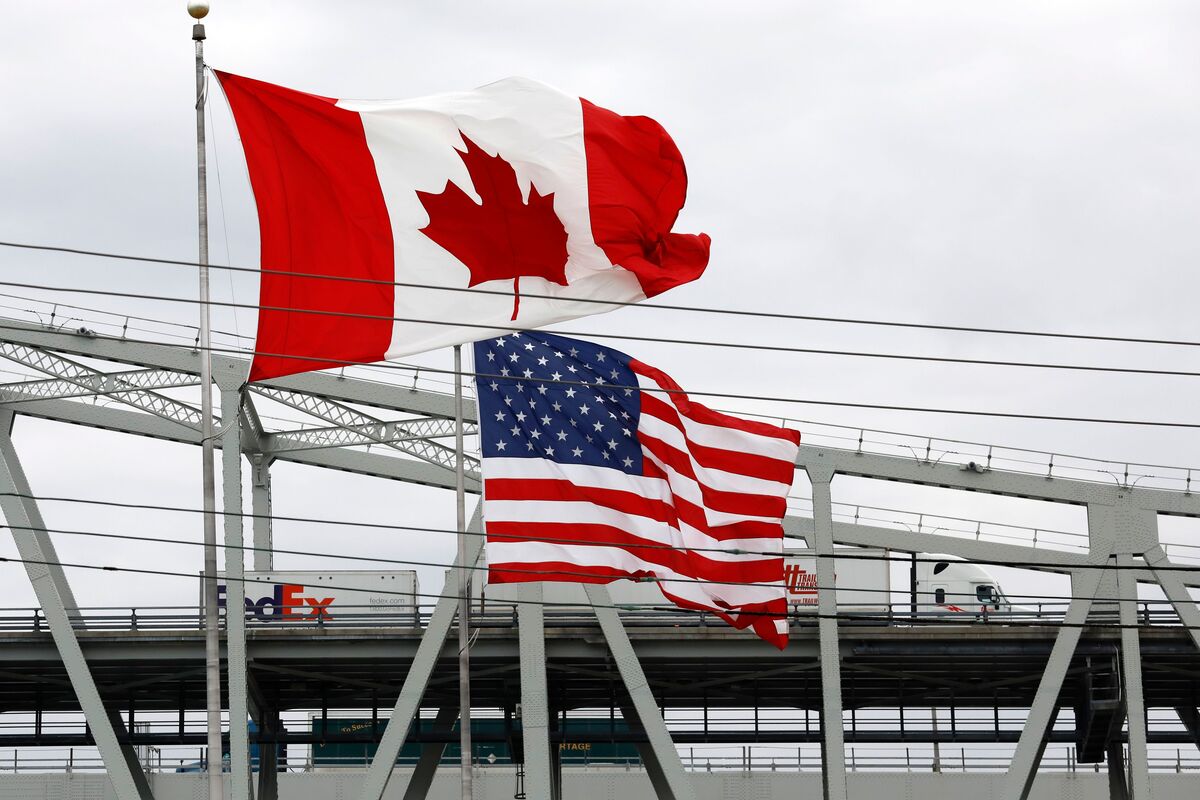
💡US-Canada trade talks could reshape the regulatory room Canadian AI builders depend on.
⚡ 30-Second TL;DR
What Changed
US trade talks with Mark Carney’s government include potential “digital trade alignment.”
Why It Matters
If Canada makes regulatory concessions, AI companies could face a more harmonized North American policy environment but less flexibility for country-specific safeguards. Uncertainty around the negotiations may also complicate compliance planning, data governance, and market expansion decisions.
What To Do Next
Review your Canadian AI deployments against the latest federal AI and digital-trade guidance, and document any data-transfer or compliance dependencies.
Key Points
- •US trade talks with Mark Carney’s government include potential “digital trade alignment.”
- •Canadian stakeholders fear the alignment could constrain domestic technology and AI policymaking.
- •The issue could affect how AI companies navigate Canadian regulation and cross-border digital trade.
🧠 Deep Insight
Background and context from public sources — not the original article. 16 sources cited.
🔑 Enhanced Key Takeaways
- •The "digital trade alignment" sought by the US is expected to formalize Canada's reversal of its Digital Services Tax (DST) and potentially other digital policies like the Online Streaming Act and the Online News Act, making it difficult for future Canadian governments to reintroduce them.
- •Canada's "AI for All" national strategy, launched in June 2026 by Prime Minister Mark Carney's government, aims to increase AI adoption from 12% to 60% by 2034, create 250,000 new AI-related jobs, and generate an additional $200 billion in economic growth over five years.
- •A core component of Canada's AI strategy is the "Canadian Sovereign AI Compute Strategy," involving investments of up to $700 million (and over $2 billion in existing investments) to build domestic AI compute capacity, including a world-leading public supercomputer by 2031, to reduce reliance on foreign technology.
- •The ongoing 2026 review of the US-Mexico-Canada Agreement (USMCA) includes digital trade and AI as key areas for modernization, with the US pushing for stronger provisions on cross-border data flows and prohibitions on data localization mandates.
- •Canadian stakeholders, including the Broadbent Institute, have expressed concerns that Canada's heavy reliance on US technology companies for digital infrastructure and AI systems makes it vulnerable to US laws and corporate dominance, risking Canadian sovereignty, privacy, and democracy.
🔮 Future ImplicationsAI analysis grounded in cited sources
⏳ Timeline
📎 Sources (16)
Factual claims are grounded in the sources below. Forward-looking analysis is AI-generated interpretation.
Weekly AI Recap
Read this week's curated digest of top AI events →
👉Related Updates

AI-curated news aggregator. All content rights belong to original publishers.
Original source: Bloomberg Technology ↗
This is a summary, not the original. Read the source, or get the weekly briefing.
Weekly AI briefing
One email a week. Unsubscribe anytime.