EU Shifts Big Tech Regulation Toward Compliance
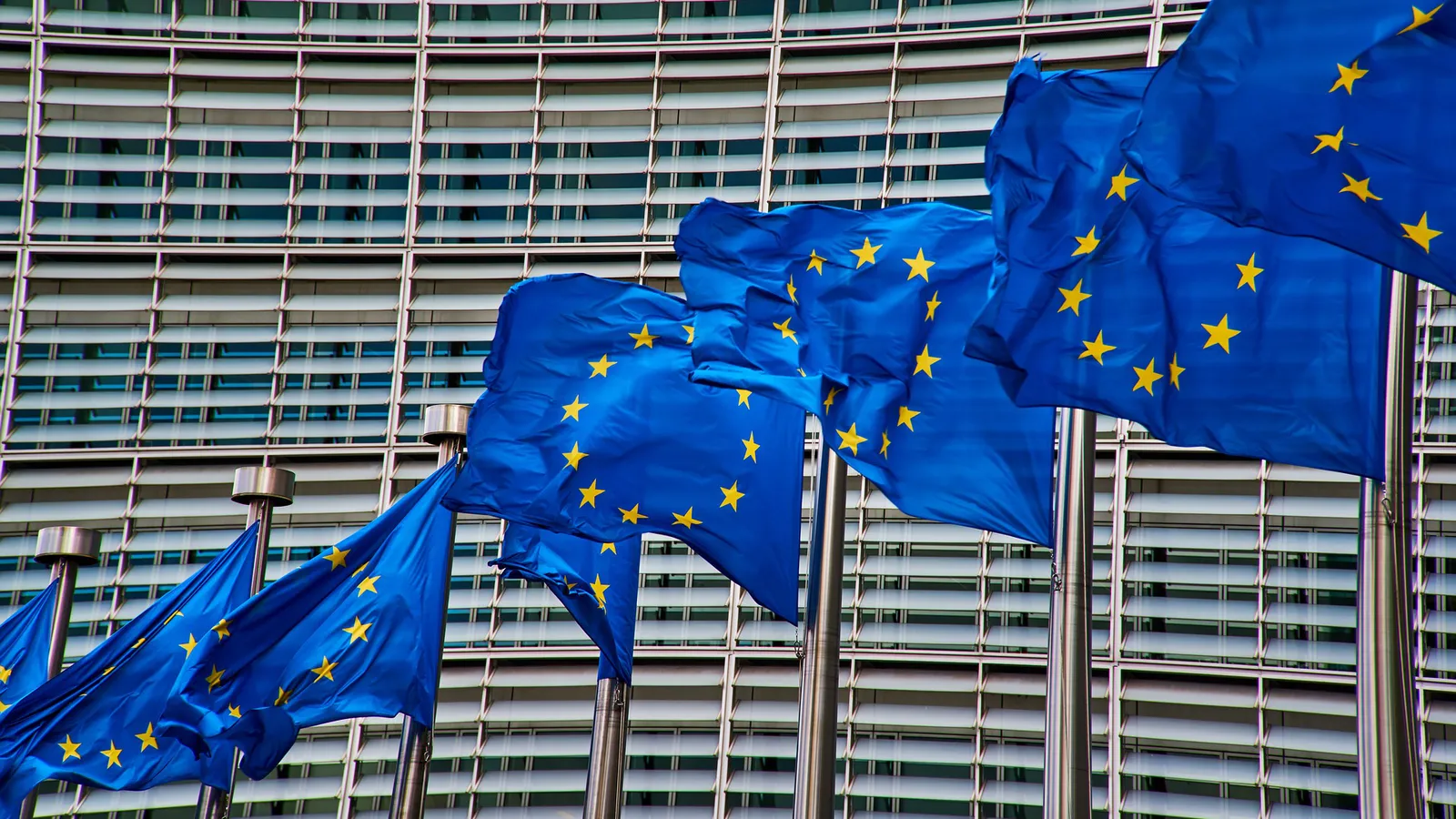
💡EU enforcement may be getting softer—here’s what the shift means for AI platform competition and compliance.
⚡ 30-Second TL;DR
What Changed
The EU may prioritize compliance engagement over record-setting penalties.
Why It Matters
For AI companies operating in Europe, enforcement may become more focused on demonstrating ongoing compliance than absorbing large fines. However, weaker deterrence could make it harder for startups and smaller platforms to compete with entrenched incumbents.
What To Do Next
Review your AI product’s DMA- and DSA-related compliance evidence, including platform access, data-use, and transparency documentation.
Key Points
- •The EU may prioritize compliance engagement over record-setting penalties.
- •The regulatory shift concerns dominant technology platforms and their market influence.
- •A less punitive approach could reduce pressure on companies to change anti-competitive practices.
🧠 Deep Insight
AI-generated analysis for this event.
🔑 Enhanced Key Takeaways
- •The shift is largely attributed to the maturation of the Digital Markets Act (DMA) enforcement phase, where the Commission is transitioning from initial designation to operational monitoring.
- •Internal EU documents suggest that 'structured dialogues' are being prioritized to avoid protracted litigation that often stalls the implementation of interoperability requirements.
- •Member states have expressed concern that a softer enforcement stance may undermine the 'gatekeeper' obligations intended to foster competition in the European digital single market.
- •The European Commission is increasingly utilizing Article 8 of the DMA, which allows for 'regulatory dialogue' to specify the measures a gatekeeper must implement to ensure compliance.
- •Industry analysts note that this pivot is partially a response to the resource-intensive nature of investigating complex algorithmic ranking and data-sharing practices.
🔮 Future ImplicationsAI analysis grounded in cited sources
⏳ Timeline
Weekly AI Recap
Read this week's curated digest of top AI events →
👉Related Updates



AI-curated news aggregator. All content rights belong to original publishers.
Original source: cnBeta (Full RSS) ↗