💰钛媒体•Stalecollected in 21m
BCI's Smokeless Algorithm Wars
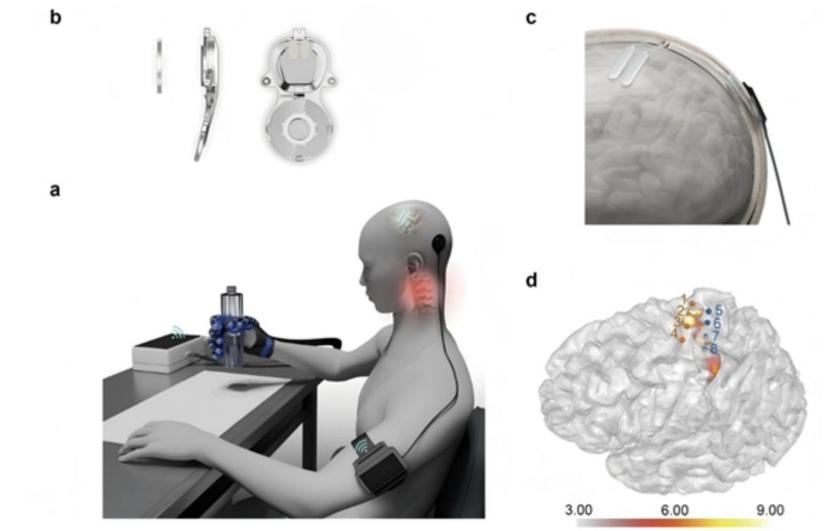
#bci#algorithms#ipo-awaitbrain-computer-interfaces
💡BCI algo wars brewing: watch for first IPO in neuro-AI race
⚡ 30-Second TL;DR
What Changed
Covert algorithm competitions defining BCI progress
Why It Matters
Indicates BCI maturing toward commercialization and public markets. Could draw investor interest to algorithm-heavy neurotech startups.
What To Do Next
Benchmark your BCI models against latest Chinese neuro-decoding papers on arXiv.
Who should care:Researchers & Academics
Key Points
- •Covert algorithm competitions defining BCI progress
- •Lack of overt conflict in the field
- •Anticipation for BCI sector's first stock listing
🧠 Deep Insight
AI-generated analysis for this event — not the original article.
🔑 Enhanced Key Takeaways
- •The 'algorithm wars' are primarily driven by the transition from invasive to non-invasive signal processing, where companies are competing to develop proprietary noise-cancellation models to filter EEG artifacts without surgical implants.
- •Regulatory bodies, including the FDA and NMPA, have begun establishing standardized benchmarks for BCI data privacy and algorithmic transparency, forcing companies to move away from 'black box' neural decoding models.
- •The race to IPO is being accelerated by a shift in venture capital focus from hardware-heavy R&D to software-as-a-service (SaaS) models for BCI, where the value lies in the neural-data processing platform rather than the physical headset.
🔮 Future ImplicationsAI analysis grounded in cited sources
The first BCI IPO will trigger a wave of industry consolidation.
Publicly traded BCI firms will need to acquire smaller, algorithm-focused startups to maintain the high growth rates required by public market investors.
Algorithmic transparency will become a mandatory regulatory requirement for BCI market entry.
As neural data privacy concerns mount, regulators are shifting toward requiring explainable AI (XAI) frameworks for all brain-decoding software.
📰
Weekly AI Recap
Read this week's curated digest of top AI events →
👉Related Updates

AI-curated news aggregator. All content rights belong to original publishers.
Original source: 钛媒体 ↗
This is a summary, not the original. Read the source, or get the weekly briefing.
Weekly AI briefing
One email a week. Unsubscribe anytime.