
AI Capex Drives 20% of US Q4 GDP Growth
Pantheon Macroeconomics analysis shows AI capital spending and tech stock wealth effects fueling US GDP growth. AI capex accounted for nearly one-fifth of Q4's 2.2% GDP rise.
Few direct matches — filled in with the latest updates.
Tag: #wealth-effect2 results
Pantheon Macroeconomics analysis shows AI capital spending and tech stock wealth effects fueling US GDP growth. AI capex accounted for nearly one-fifth of Q4's 2.2% GDP rise.
Analyzing the correlation between South Korea's stock market performance and its recent fertility trends, the article argues that wealth effects and economic stability are crucial for reversing demographic decline.
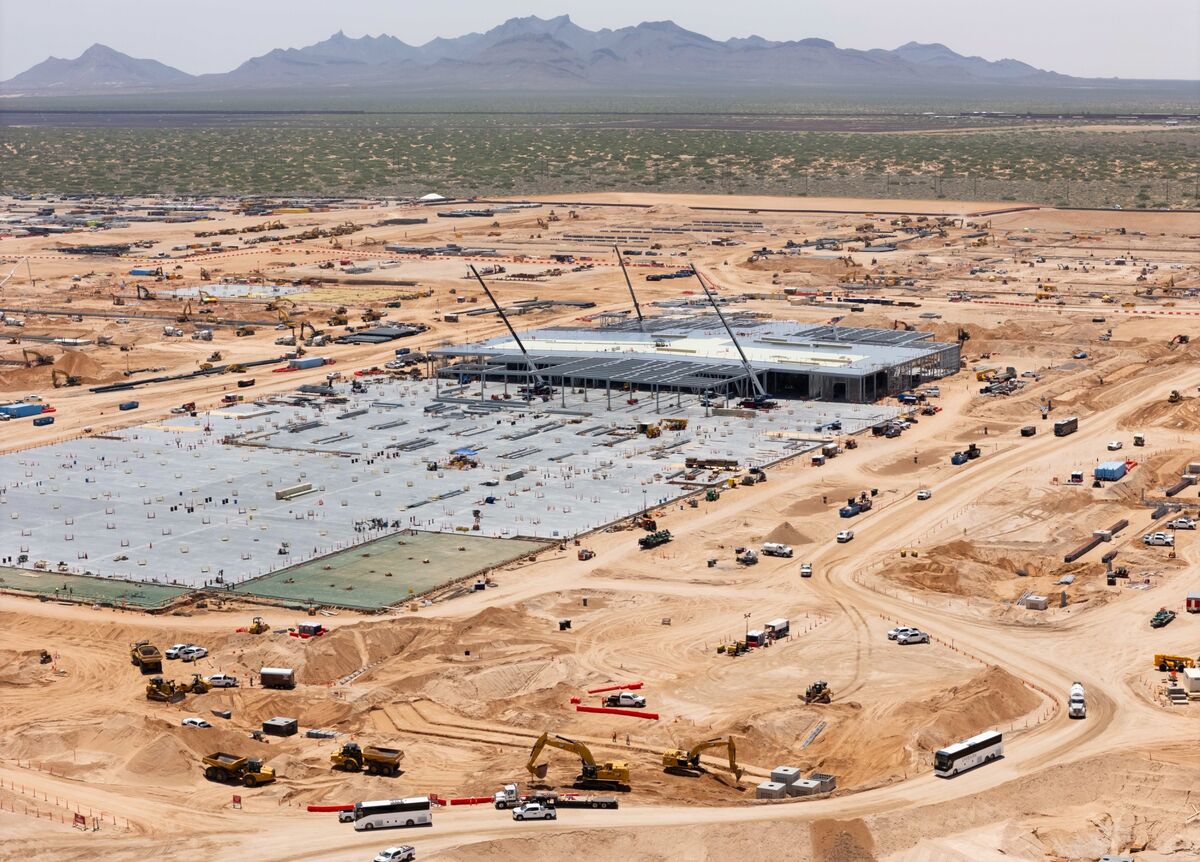
OpenAI and Meta are seeking help to address growing public opposition to their AI data center plans. The effort highlights the increasing public-relations challenges surrounding large-scale AI infrastructure expansion.

VB Pulse data shows enterprises are adopting multiple AI orchestration platforms instead of relying on a single vendor. The survey also highlights persistent concerns about security, permissions, token usage, cost visibility, and the ability to stop runaway agent spending in real time.
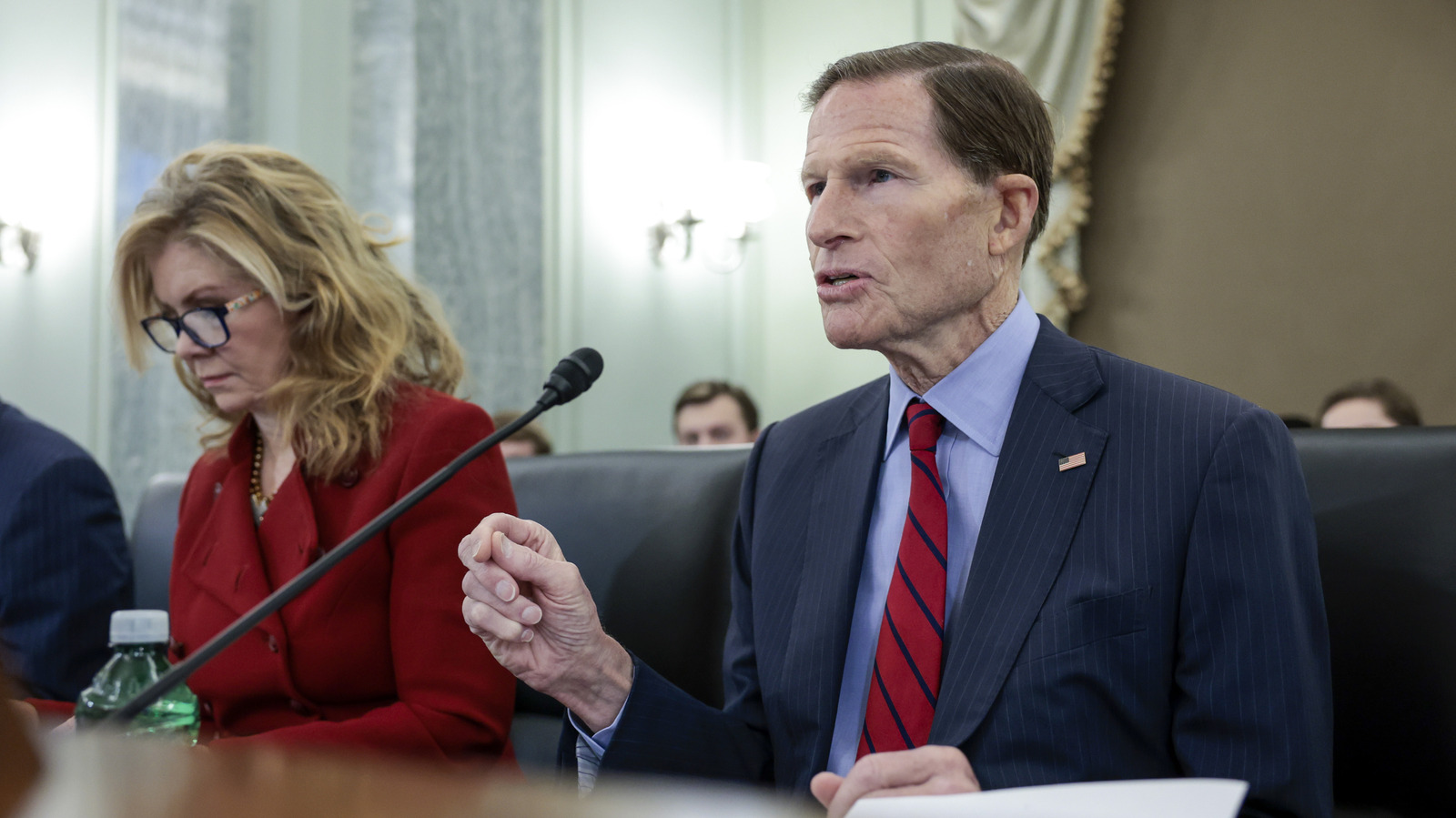
US senators are pressing TikTok for answers about an experiment that reportedly withheld an algorithm safety feature. A teenager who later died by suicide was reportedly included in the test.

At 23, Sean Grindal is building around the belief that AI tools increasingly fail because they are difficult to use, not because they lack capabilities. His approach focuses on making AI video creation more accessible as competitors continue adding features.
A new Pew Research Center study finds signs of AI authorship across roughly one-third of web pages published since ChatGPT launched in late 2022. The finding highlights the rapid spread of AI-assisted content creation across the open web.

Google is introducing a button that lets readers mark publishers as preferred sources across Search, Discover, and Google News. The feature could help publishers recover traffic as AI-powered search generates fewer direct clicks to websites.

Runlayer and Rippling have dropped their lawsuits, with no money changing hands. Rippling marked the resolution by releasing a competing product, leaving the dispute as a cautionary example for founders.
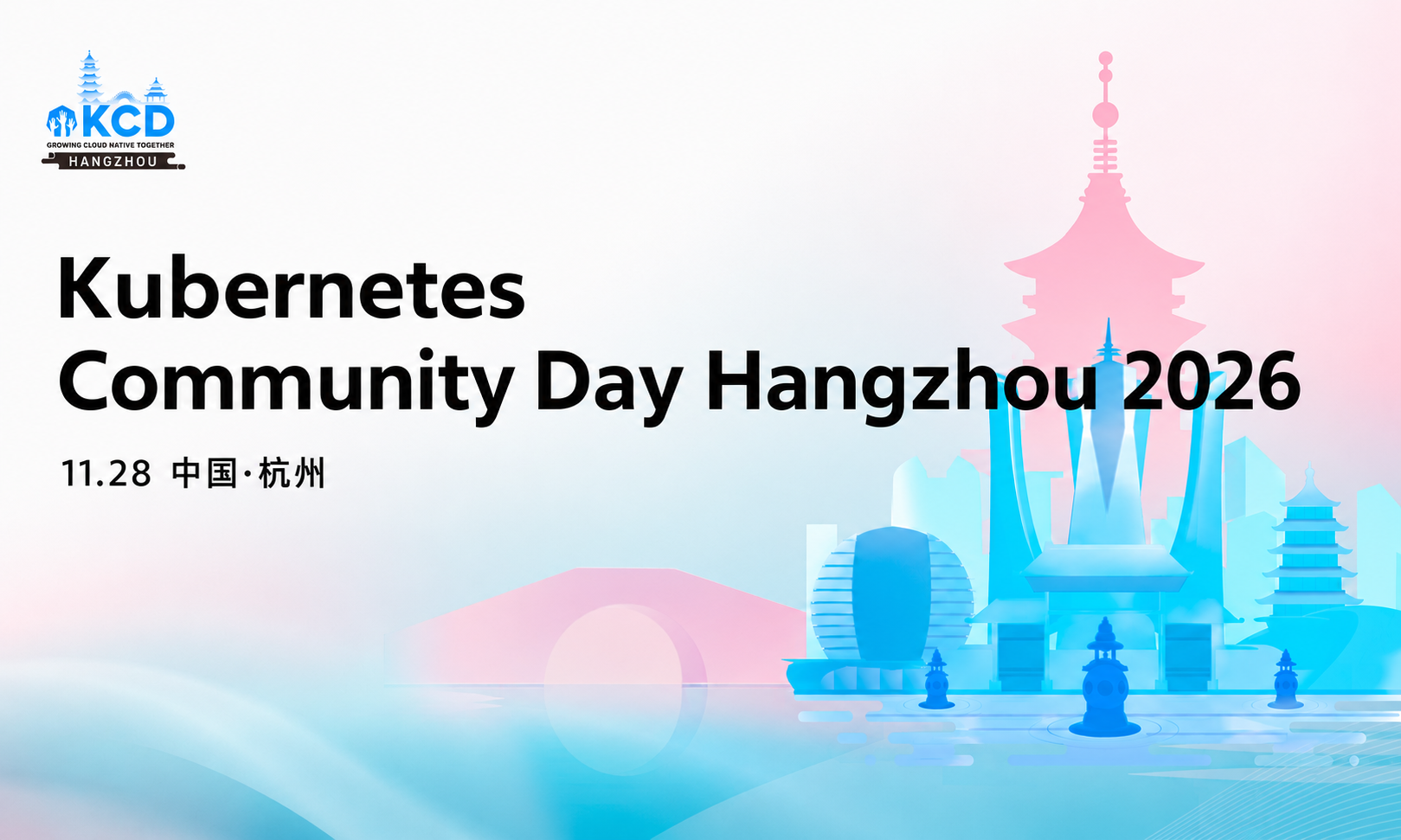
KCD Hangzhou has opened its call for papers, inviting the community to discuss cloud native technologies, observability, and large-model inference in the Agent era. The announcement targets practitioners interested in sharing or learning about the infrastructure behind AI agents.