Gartner Predicts the End of Traditional SaaS UI
Gartner suggests that the era of choosing software based on UI usability is ending. As agentic AI evolves, the focus is shifting toward autonomous execution rather than manual interface interaction.
Tag: #saas-strategy15 results
Gartner suggests that the era of choosing software based on UI usability is ending. As agentic AI evolves, the focus is shifting toward autonomous execution rather than manual interface interaction.
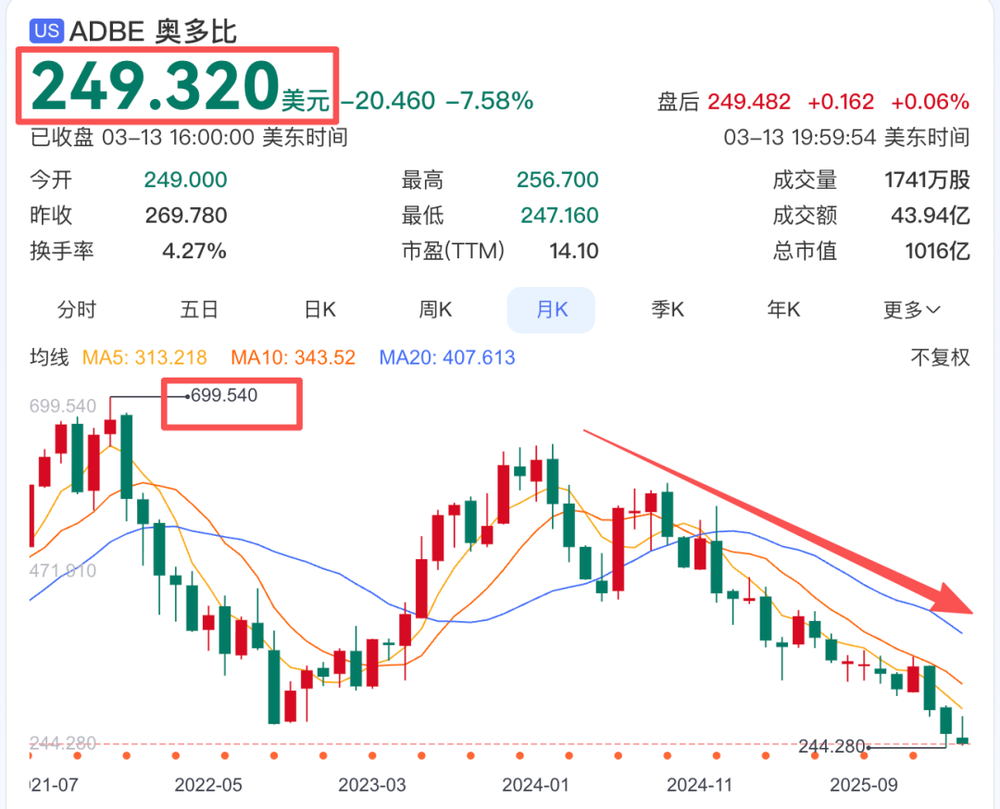
Adobe reports record Q1 FY2026 revenue but legendary CEO Shantanu resigns after 18 years, citing generative AI challenges. Stock plunges 7% as creative tools face disruption from AI models. Article contrasts with resilient SaaS like SAP in business execution.
This article proposes a 'reverse thinking' approach for AI startups, focusing on defining incremental value and pricing models rather than chasing traffic or funding. It suggests leveraging mature SaaS markets to identify and solve specific business pain points.
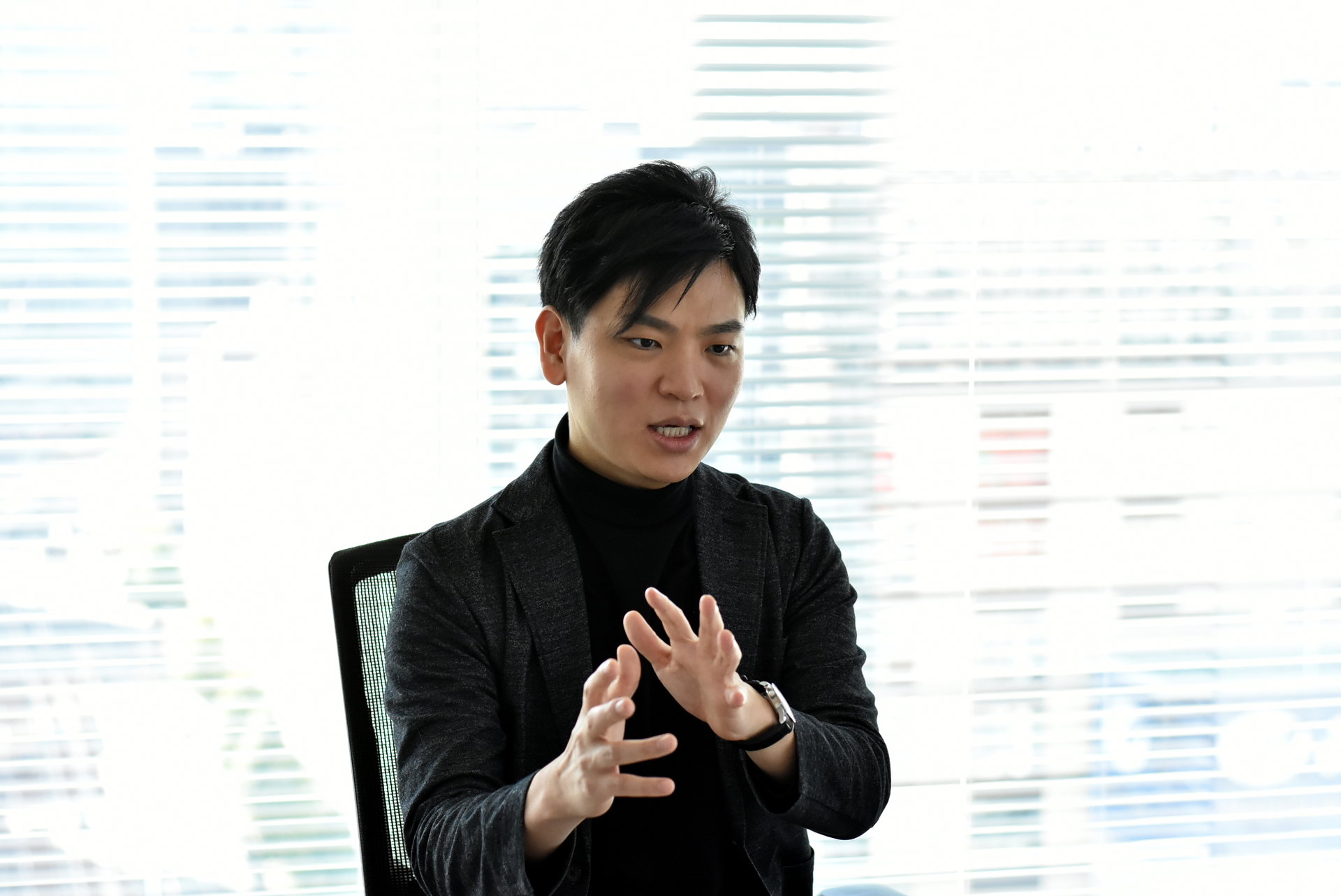
Link and Motivation discusses their survival strategy in the 'SaaS is Dead' era, focusing on how they integrate AI into their HR domain. The company emphasizes the resilience of HR-focused SaaS models against market shifts.

Oracle Japan explains its strategy for 'core AI' integration, emphasizing the need for flexible architectures to avoid technical stagnation in the SaaS market. Industry partners like WingArc1st and NSW shared insights on leveraging AI to ensure SaaS longevity.

Zoho announced a 3.5 billion yuan investment plan for China in 2026, targeting data center builds, AI computing upgrades, and local R&D acceleration. After 24 years rooted in China, Zoho's 'in-situ' philosophy uses steady, long-term efforts to dominate the market.

Okta's CEO Todd McKinnon is betting big on managing identities for AI agents as a major growth area amid AI-driven disruptions to SaaS. The interview discusses security challenges with AI agents like OpenClaw and proposes agent-level kill switches. It explores hybrid human-AI teams and Okta's strategy to adapt.
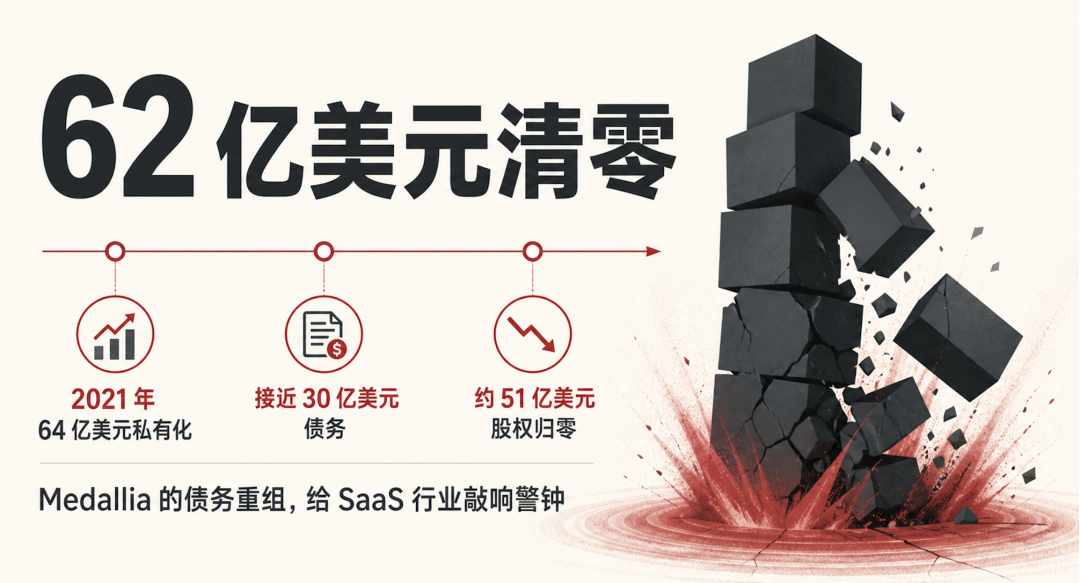
Medallia’s reported debt restructuring and near-total loss of approximately $5.1 billion in equity are presented as a warning that standalone AI features are weak SaaS moats. Large language models have commoditized tasks such as sentiment analysis, classification, and summarization, forcing software companies to focus on infrastructure, industry know-how, and measurable business outcomes.

The article explores the debate surrounding the 'SaaS apocalypse,' where AI agents could potentially replace traditional software interfaces. It highlights how major providers like Workday are positioning themselves to survive by integrating AI deeper into their workflows.
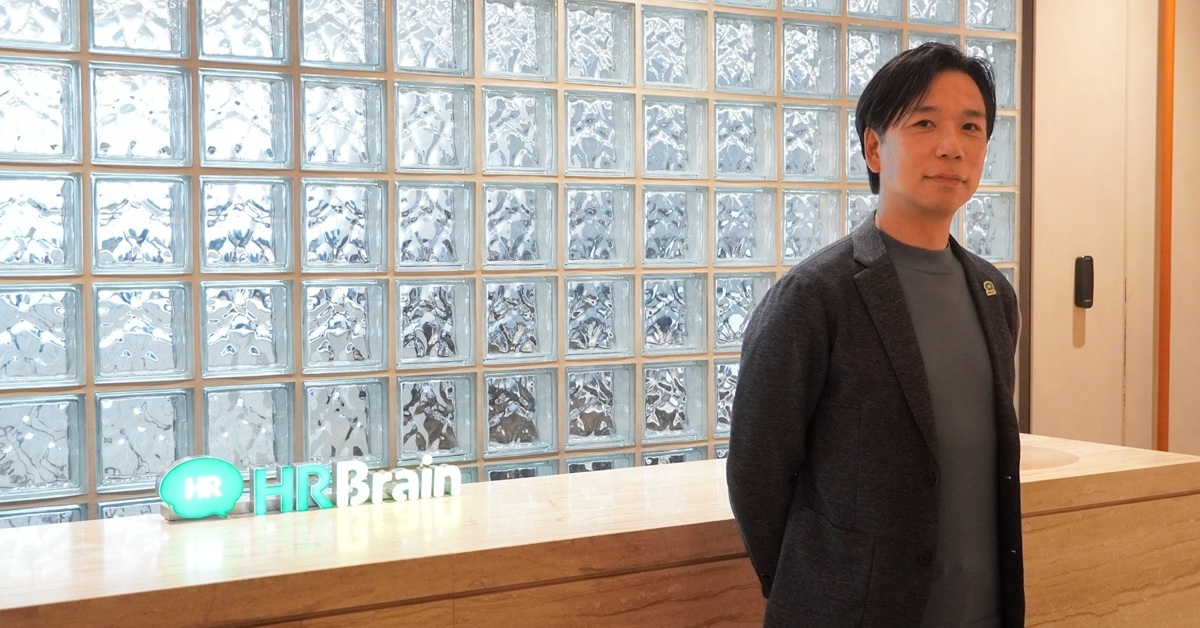
HRBrain's CSaO argues that the 'SaaS is dead' narrative is a misconception. He suggests that only unsustainable, low-growth business models are failing in the current market.