Gartner Predicts the End of Traditional SaaS UI

💡Gartner's take on why UI-based SaaS is dying and how agentic AI will redefine enterprise software value.
⚡ 30-Second TL;DR
What Changed
UI-centric software selection is becoming obsolete
Why It Matters
This shift forces SaaS founders to rethink their value proposition from 'better UI' to 'better autonomous outcomes' for their customers.
What To Do Next
Audit your product roadmap; shift focus from building new UI components to developing agentic workflows that automate user tasks.
Key Points
- •UI-centric software selection is becoming obsolete
- •Agentic AI is disrupting traditional SaaS revenue models
- •Future enterprise software will prioritize autonomous task completion
🧠 Deep Insight
AI-generated analysis for this event — not the original article.
🔑 Enhanced Key Takeaways
- •Gartner's shift in perspective aligns with the 'Agentic Workflow' paradigm, where software value is measured by 'Time to Outcome' rather than 'Time to Task Completion' via manual clicks.
- •Enterprise procurement cycles are beginning to prioritize API-first architectures and headless capabilities over traditional front-end feature sets to accommodate AI agent integration.
- •The transition is expected to trigger a 'UI-Tax' reduction, where vendors who invest heavily in proprietary, complex UIs may face higher churn as agents bypass these interfaces entirely.
- •Data interoperability standards (such as MCP - Model Context Protocol) are becoming the new competitive moat, replacing the traditional UI-based lock-in strategies used by legacy SaaS providers.
- •Gartner anticipates a bifurcation in the market: 'System of Record' platforms will focus on data integrity for agents, while 'System of Engagement' platforms will pivot to providing conversational or intent-based interfaces for human oversight.
🛠️ Technical Deep Dive
- Shift toward Headless SaaS architectures where the backend logic is decoupled from the presentation layer to allow direct API access for Large Action Models (LAMs).
- Implementation of Agentic Orchestration Layers that utilize function calling and tool-use capabilities to execute workflows across disparate SaaS applications without human-in-the-loop UI interaction.
- Adoption of standardized schema definitions (e.g., OpenAPI/Swagger) to enable autonomous agents to discover and execute tasks within enterprise software environments.
- Integration of observability frameworks designed to monitor agentic decision-making processes rather than traditional user session metrics.
🔮 Future ImplicationsAI analysis grounded in cited sources
⏳ Timeline
Weekly AI Recap
Read this week's curated digest of top AI events →
👉Related Updates
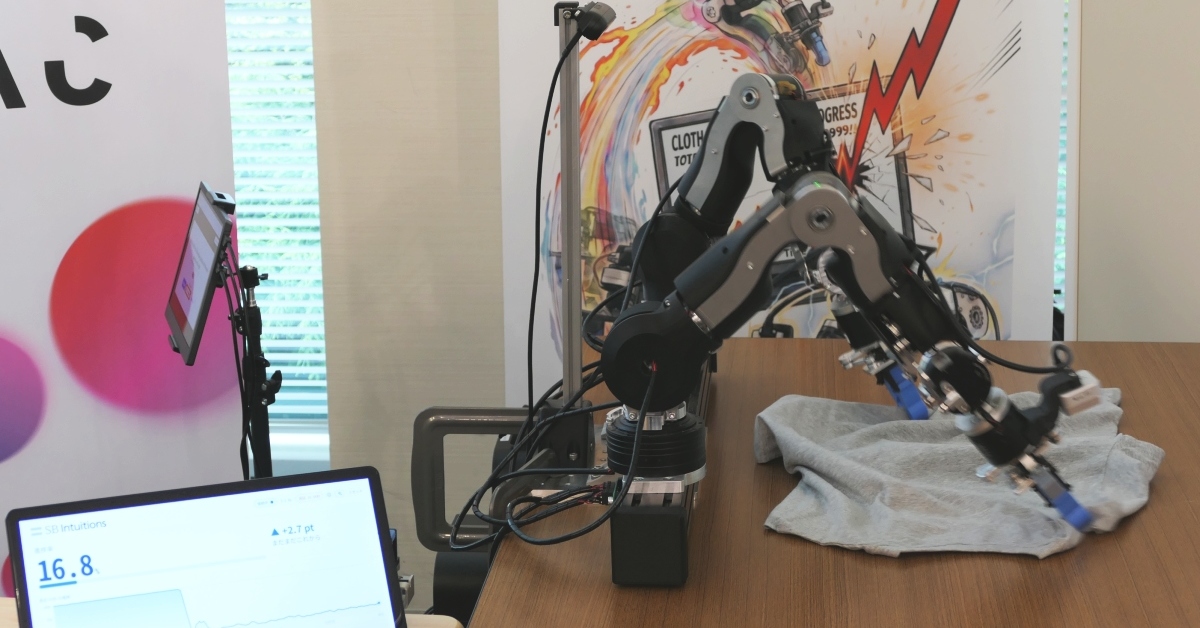
AI-curated news aggregator. All content rights belong to original publishers.
Original source: ITmedia AI+ (日本) ↗
This is a summary, not the original. Read the source, or get the weekly briefing.
The weekly digest
One email a week. Unsubscribe anytime.