SourceITmedia AI+ (日本)•Stalecollected in 3h
HRBrain CSaO: SaaS is not dead, just low-growth
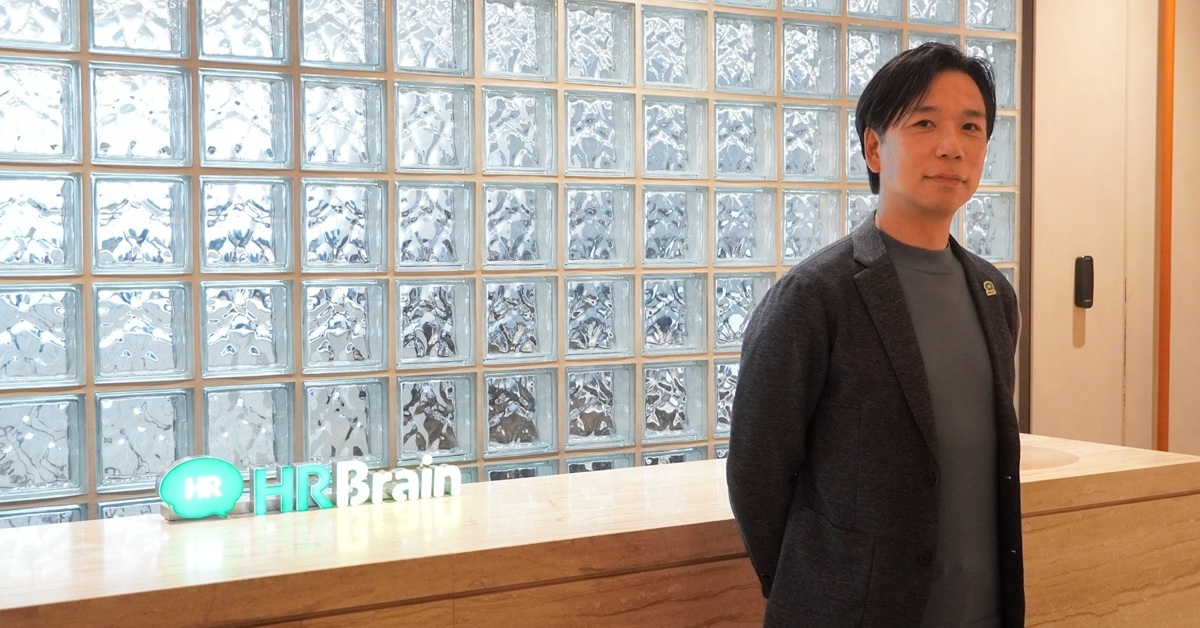
#saas-strategy#business-model#growth-hackinghrbrainhrbrainsaas
Learn why industry experts believe the SaaS model is pivoting, not collapsing.
30-Second TL;DR
What Changed
SaaS industry is evolving rather than dying
Why It Matters
This perspective helps founders re-evaluate their SaaS metrics and focus on efficiency over raw user acquisition.
What To Do Next
Audit your SaaS unit economics and focus on retention metrics rather than just top-line growth.
Who should care:Founders & Product Leaders
Key Points
- •SaaS industry is evolving rather than dying
- •Low-growth business models are the primary cause of failure
- •HRBrain emphasizes sustainable growth strategies
Deep Insight
AI-generated analysis for this event — not the original article.
Enhanced Key Takeaways
- •HRBrain has shifted its strategic focus toward 'Talent Management Cloud' integration, moving beyond simple HR administration to AI-driven workforce analytics.
- •The Japanese SaaS market is experiencing a 'selection and concentration' phase where investors are prioritizing Rule of 40 compliance over pure top-line revenue growth.
- •HRBrain's CSaO emphasizes that the 'SaaS is dead' narrative is largely driven by the collapse of venture-backed companies that relied on excessive CAC (Customer Acquisition Cost) rather than product-market fit.
- •The company has implemented a 'Product-Led Growth' (PLG) hybrid model to reduce reliance on expensive field sales teams, a direct response to the capital-constrained environment of 2025-2026.
- •HRBrain has expanded its ecosystem through API-first development, allowing its platform to serve as a central data hub for other enterprise software, thereby increasing switching costs and retention.
Competitor Analysis
Core Focus
- HRBrain
- Talent Management/Analytics
- SmartHR
- HR Admin/Payroll
- Kaonavi
- Talent Management/Visualization
Pricing Model
- HRBrain
- Tiered Subscription
- SmartHR
- Per-employee/Module
- Kaonavi
- Per-employee/Module
Market Position
- HRBrain
- Mid-to-Large Enterprise
- SmartHR
- SMB to Enterprise
- Kaonavi
- Mid-Market
AI Integration
- HRBrain
- Predictive Analytics
- SmartHR
- Automated Compliance
- Kaonavi
- Skill Mapping
| Feature | HRBrain | SmartHR | Kaonavi |
|---|---|---|---|
| Core Focus | Talent Management/Analytics | HR Admin/Payroll | Talent Management/Visualization |
| Pricing Model | Tiered Subscription | Per-employee/Module | Per-employee/Module |
| Market Position | Mid-to-Large Enterprise | SMB to Enterprise | Mid-Market |
| AI Integration | Predictive Analytics | Automated Compliance | Skill Mapping |
Technical Deep Dive
- HRBrain utilizes a microservices architecture to decouple core HR modules from its AI analytics engine.
- The platform leverages proprietary machine learning models for employee turnover prediction and skill gap analysis.
- Data ingestion is handled via a secure, scalable API layer that supports real-time synchronization with external payroll and attendance systems.
- Infrastructure is hosted on multi-region cloud environments to ensure compliance with Japanese data residency requirements (APPI).
Future ImplicationsAI analysis grounded in cited sources
Consolidation of the Japanese HR-Tech market will accelerate.
High interest rates and tighter venture capital funding are forcing smaller, low-growth SaaS players to merge with or be acquired by platforms like HRBrain.
AI-driven predictive analytics will become the baseline requirement for HR software.
As market saturation increases, vendors must offer actionable insights rather than just digital record-keeping to justify subscription renewals.
Timeline
2016-03
HRBrain established in Tokyo, Japan.
2019-09
Launch of the core Talent Management Cloud platform.
2022-05
Secured significant Series C funding to expand AI development capabilities.
2024-02
Strategic pivot toward integrated workforce management and data-driven HR consulting.
- 2016-03HRBrain established in Tokyo, Japan.
- 2019-09Launch of the core Talent Management Cloud platform.
- 2022-05Secured significant Series C funding to expand AI development capabilities.
- 2024-02Strategic pivot toward integrated workforce management and data-driven HR consulting.
Weekly AI Recap
Read this week's curated digest of top AI events →
Related Updates
AI-curated news aggregator. All content rights belong to original publishers.
Original source: ITmedia AI+ (日本) ↗
This is a summary, not the original. Read the source, or get the weekly briefing.
The weekly digest
One email a week. Unsubscribe anytime.