
Japan Deploys Robots for Unwanted Jobs
Japan tackles labor shortages by shifting physical AI robots from pilots to real-world use. Robots are filling undesirable jobs amid demographic challenges. This marks broader adoption of embodied AI.
Tag: #labor-shortage8 results
Japan tackles labor shortages by shifting physical AI robots from pilots to real-world use. Robots are filling undesirable jobs amid demographic challenges. This marks broader adoption of embodied AI.
German businesses are increasingly adopting AI to mitigate severe labor shortages. A homebuilder successfully halved the time required for invoice processing by integrating AI tools.
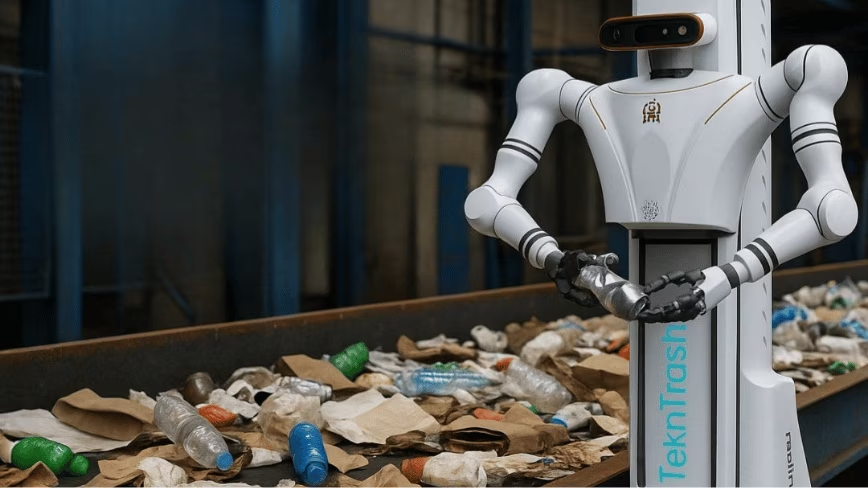
Recycling industry suffers 40% annual worker turnover, 8x average fatality rate, and 45% higher injury rates. Humanoid robots trained via VR headsets are proposed as replacements to address labor shortages. This innovation aims to sustain operations in hazardous environments.
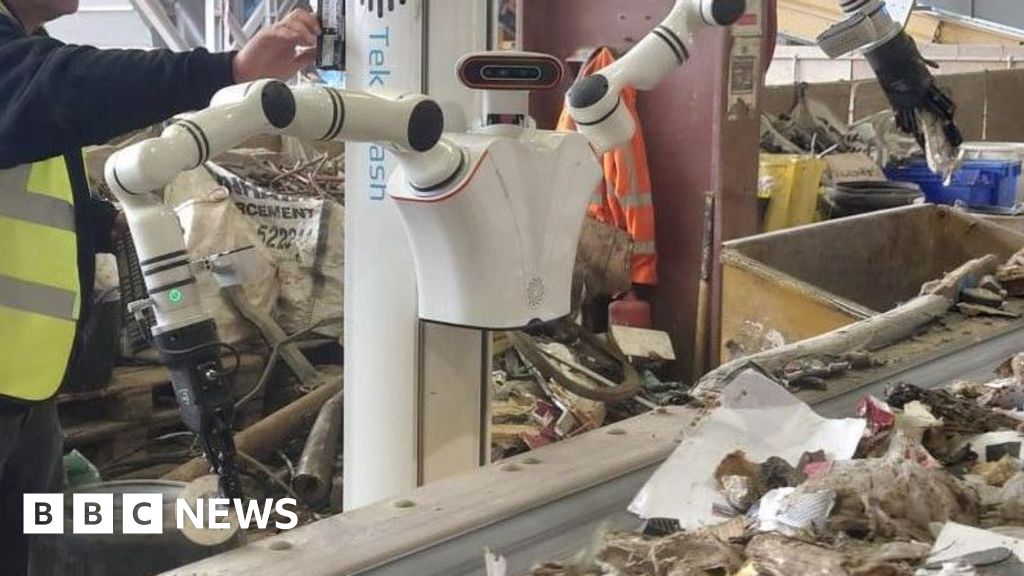
Waste firms are struggling to recruit staff, prompting the deployment of humanoid robots in waste sorting automation. This move enhances efficiency amid labor shortages. It's part of broader robotic automation trends.
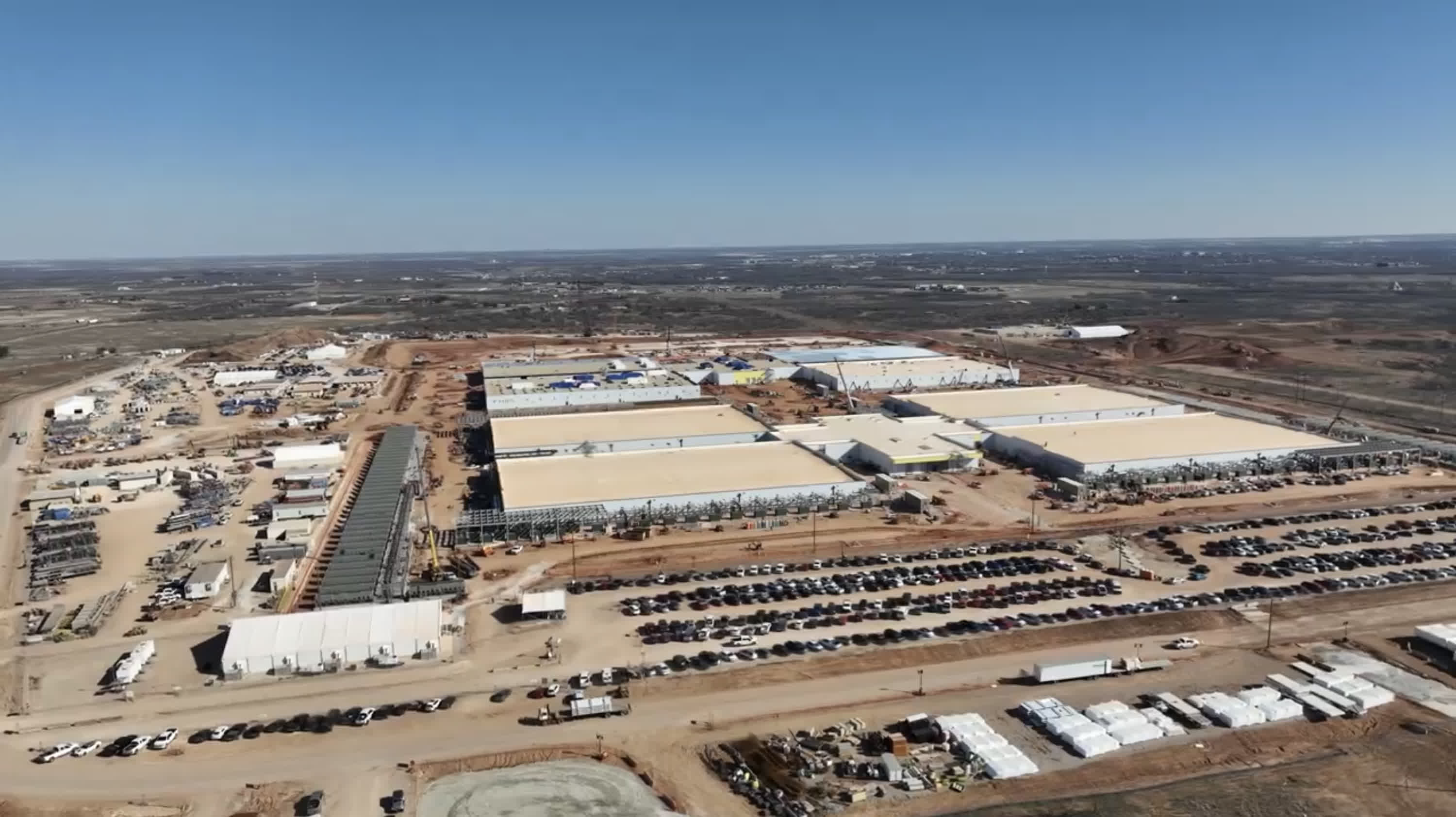
Texas's booming AI data center construction is poaching electricians with high salaries from housing projects. This has delayed wiring for new single-family homes, townhouses, and apartments by up to two months. The clash exacerbates the state's ongoing housing shortage.

Humanoid robots are undergoing tests at Tokyo's Haneda Airport to sort luggage amid Japan's labor shortage. They may expand to loading cargo and cleaning aircraft cabins. This demonstrates practical applications of embodied AI in aviation logistics.

Generative AI is being integrated into CAD software to address manufacturing labor shortages. Otsuka Shokai showcased three AI utilization ideas at 'Practical Solution Fair 2026'. These aim to streamline operations and boost efficiency in industry settings.
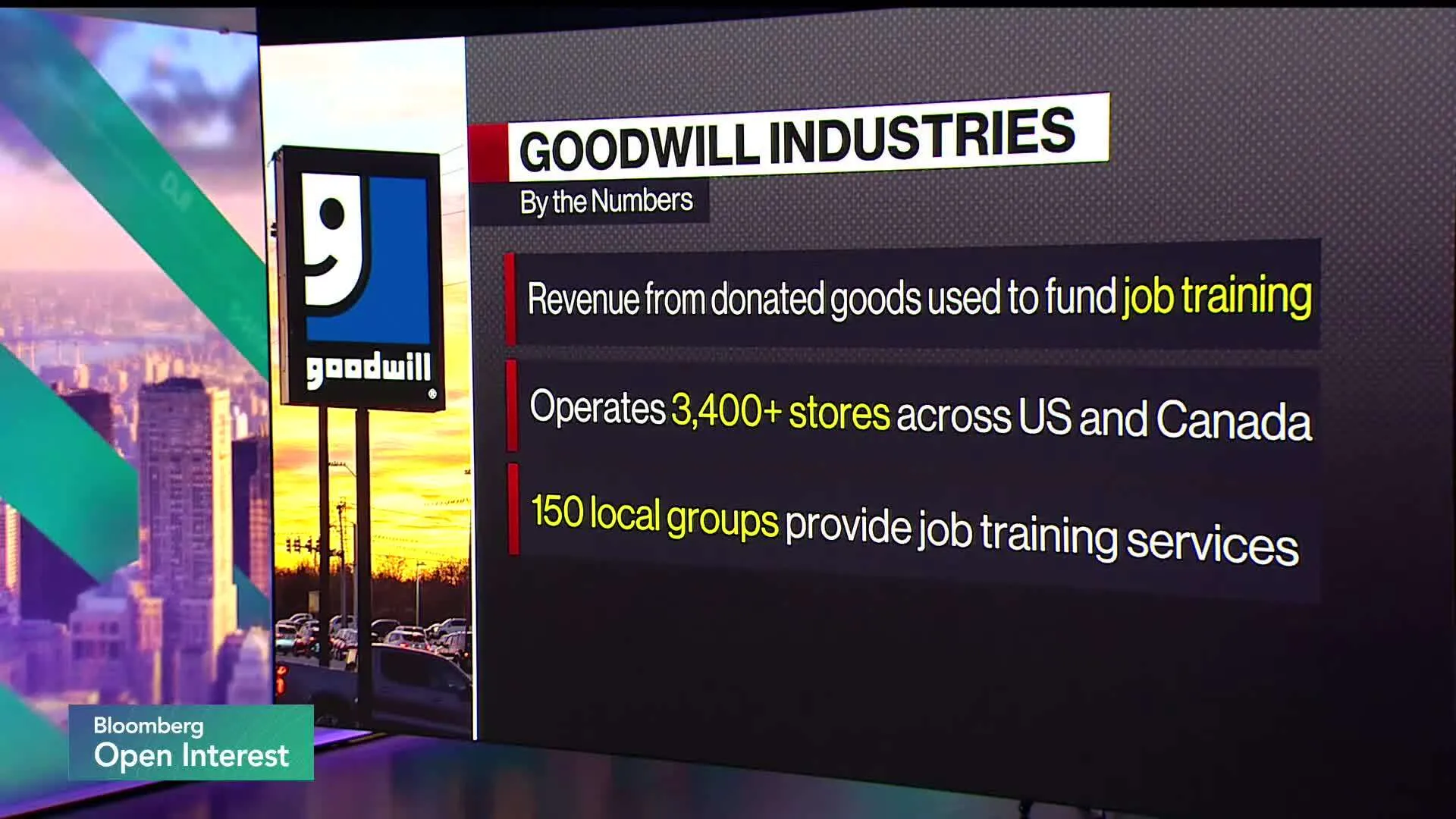
Goodwill trains workers for better-paying jobs to address America's labor shortage and AI skills gap. Thrift store revenue has surged nearly 50% since pre-Covid, funding hundreds of millions in workforce programs. CEO Steven Preston discussed this on Bloomberg Open Interest.