Humanoid Robots Test Luggage Sorting at Haneda
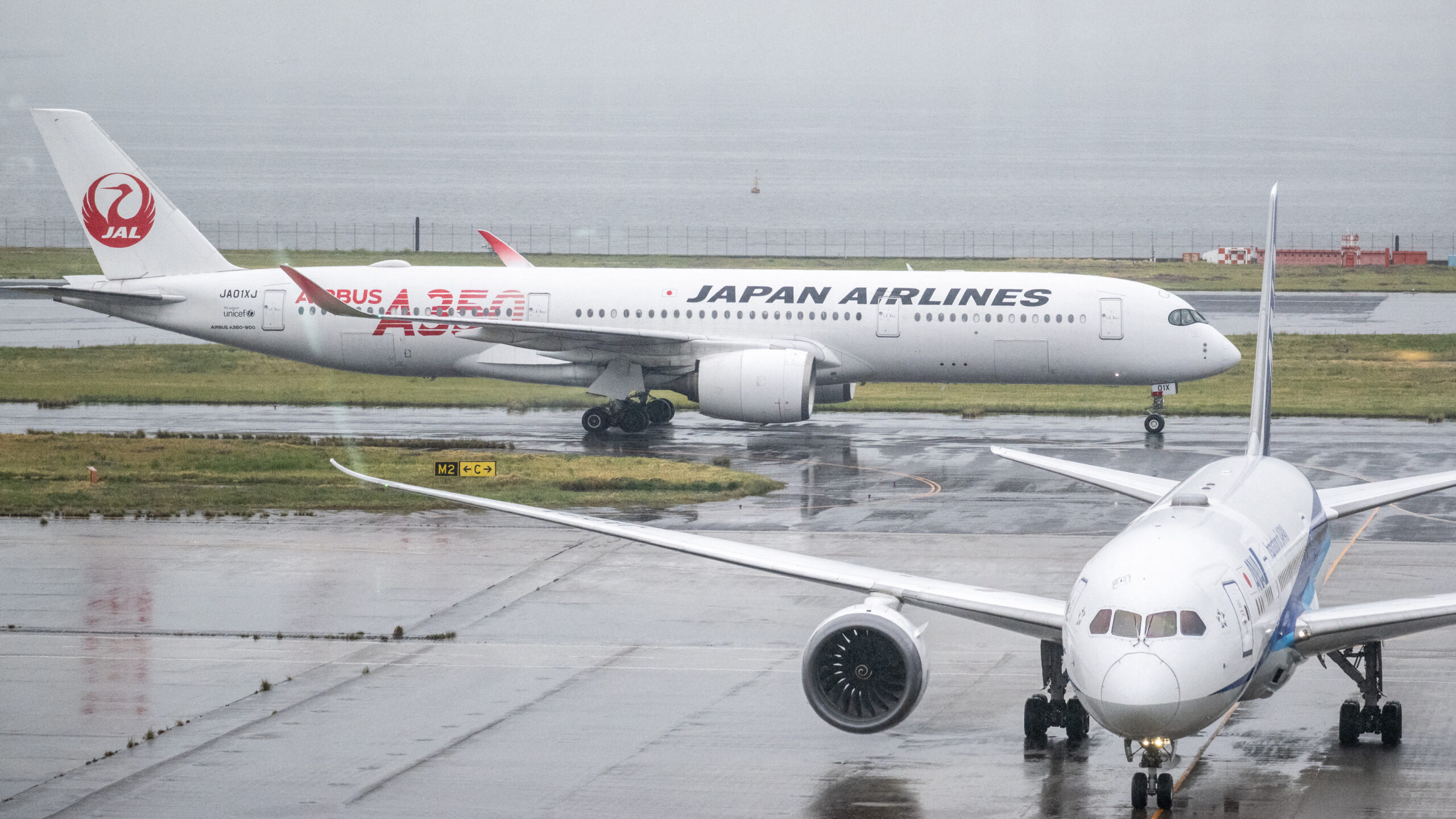
Embodied AI real-world test: humanoid robots sort airport luggage amid labor crunch.
30-Second TL;DR
What Changed
Tests start at Haneda Airport for luggage sorting
Why It Matters
This trial highlights humanoid robots' viability for high-volume, repetitive tasks, potentially easing labor pressures globally. It could accelerate adoption of embodied AI in service industries like airports.
What To Do Next
Prototype luggage handling with NVIDIA Isaac Sim for humanoid robot training in logistics.
Key Points
- •Tests start at Haneda Airport for luggage sorting
- •Potential roles include cargo loading and cabin cleaning
- •Driven by Japan's ongoing labor shortage in aviation
Deep Insight
AI-generated analysis for this event — not the original article.
Enhanced Key Takeaways
- •The initiative is part of the 'Haneda Robotics Lab' project, a collaborative effort between Japan Airport Terminal Co. and the Ministry of Land, Infrastructure, Transport and Tourism to address the chronic shortage of ground handling staff.
- •The robots utilize advanced computer vision and force-torque sensors to handle varying luggage shapes and weights, aiming to reduce physical strain on human workers and minimize baggage handling errors.
- •Beyond sorting, the project is testing integration with existing airport baggage handling systems (BHS) to ensure seamless data exchange between the robots and the airport's central logistics software.
Technical Deep Dive
- Architecture: Employs a multi-modal transformer-based architecture for real-time object detection and path planning.
- Sensing: Integrates 3D LiDAR for spatial awareness and high-resolution RGB-D cameras for precise luggage identification.
- Manipulation: Features end-effectors with soft-touch tactile sensors to handle fragile items without damage.
- Connectivity: Operates on a private 5G network within the terminal to ensure low-latency communication with the central control system.
Future ImplicationsAI analysis grounded in cited sources
Timeline
- 2024-09Haneda Robotics Lab announces expansion of testing to include humanoid logistics solutions.
- 2025-03Initial prototype testing of robotic arms for baggage sorting begins in controlled airport environments.
- 2026-02Full-scale humanoid robot integration trials commence at Haneda Airport terminals.
Weekly AI Recap
Read this week's curated digest of top AI events →
Related Updates

AI-curated news aggregator. All content rights belong to original publishers.
Original source: Ars Technica AI ↗
This is a summary, not the original. Read the source, or get the weekly briefing.
The weekly digest
One email a week. Unsubscribe anytime.