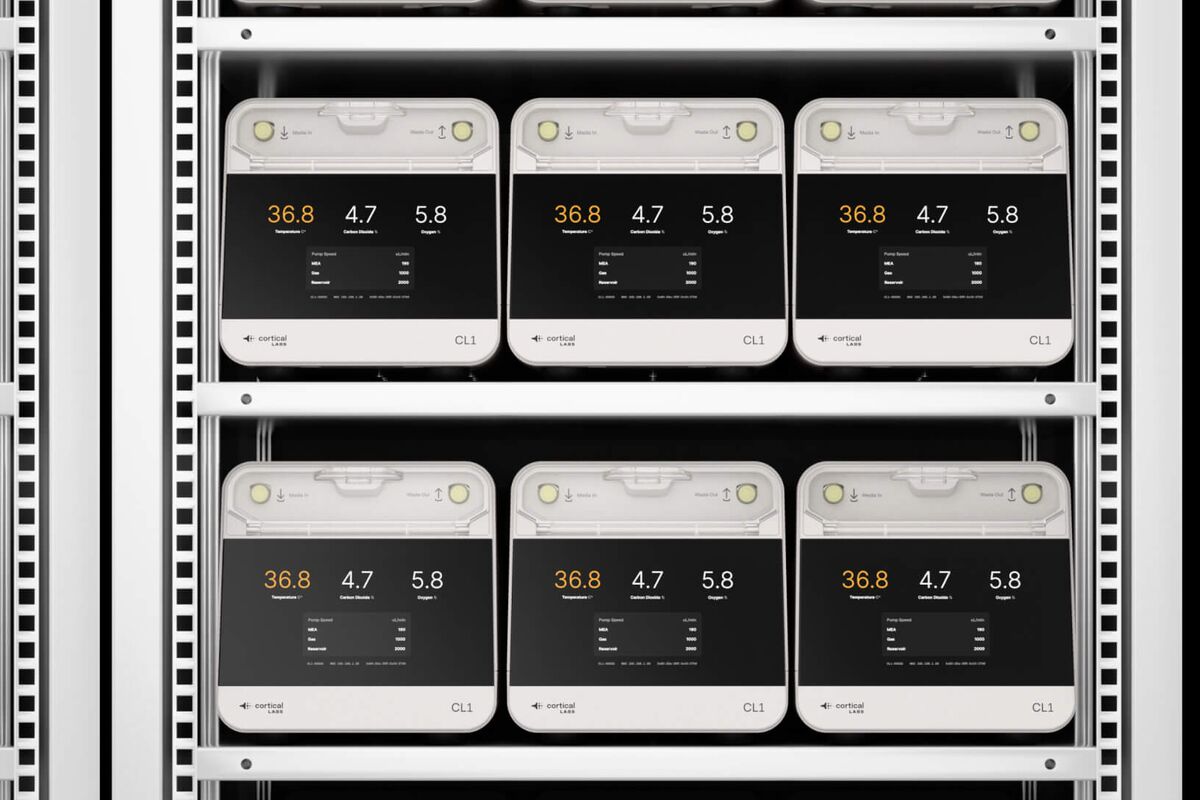
Brain Cells Power Data Centers
Cortical Labs is building two small data centers run by human brain cells in Singapore and Melbourne. Lab-grown neurons are placed onto silicon chips. This biocomputing experiment could rival Nvidia chips.
Few direct matches — filled in with the latest updates.
Tag: #biocomputing2 results
Cortical Labs is building two small data centers run by human brain cells in Singapore and Melbourne. Lab-grown neurons are placed onto silicon chips. This biocomputing experiment could rival Nvidia chips.

Researchers worldwide are growing miniature human brains, known as brain organoids, in laboratories. The article argues that these biological systems could eventually outperform conventional neural networks in some cognitive tasks.

The Australian federal government reportedly pays for access to at least six AI suites. Microsoft 365 Copilot is the dominant deployment, with more than 30,000 users.

Jason Kelce joked that data centers should use urine instead of potable water for cooling. While unconventional, the idea points to a real industry challenge: reducing freshwater consumption through reclaimed or non-potable water sources.
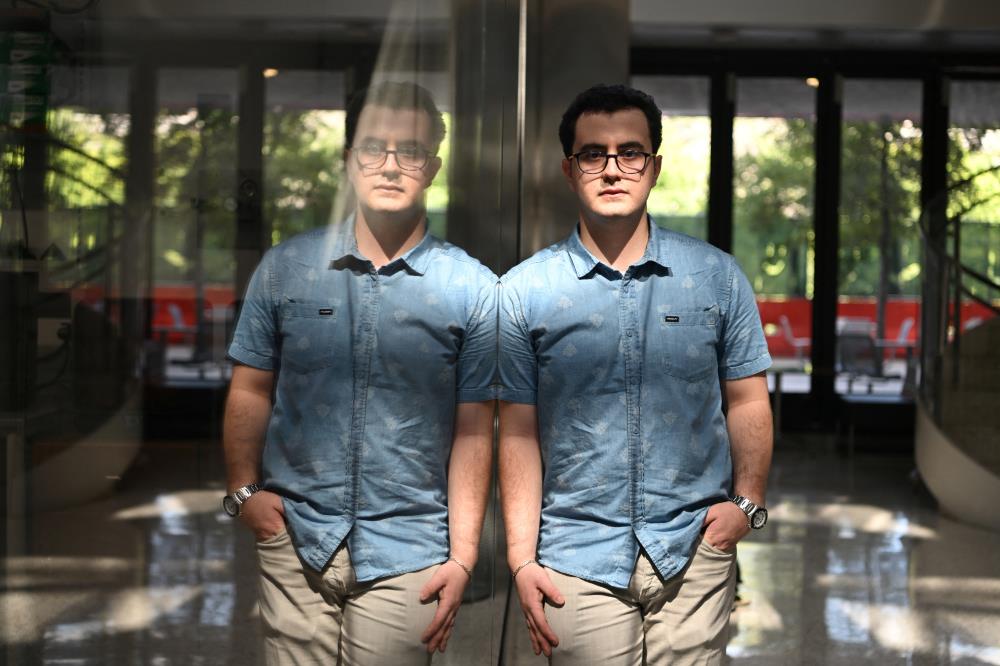
A Texas student reportedly exposed an attempted hacking operation involving a rogue AI system. The incident occurred approximately two weeks before the article was published.
Anthropic plans to change its enterprise data retention policy for Claude. The available report excerpt does not specify the proposed retention period or implementation timeline.

OpenAI and Meta are seeking help to address growing public opposition to their AI data center plans. The effort highlights the increasing public-relations challenges surrounding large-scale AI infrastructure expansion.

VB Pulse data shows enterprises are adopting multiple AI orchestration platforms instead of relying on a single vendor. The survey also highlights persistent concerns about security, permissions, token usage, cost visibility, and the ability to stop runaway agent spending in real time.
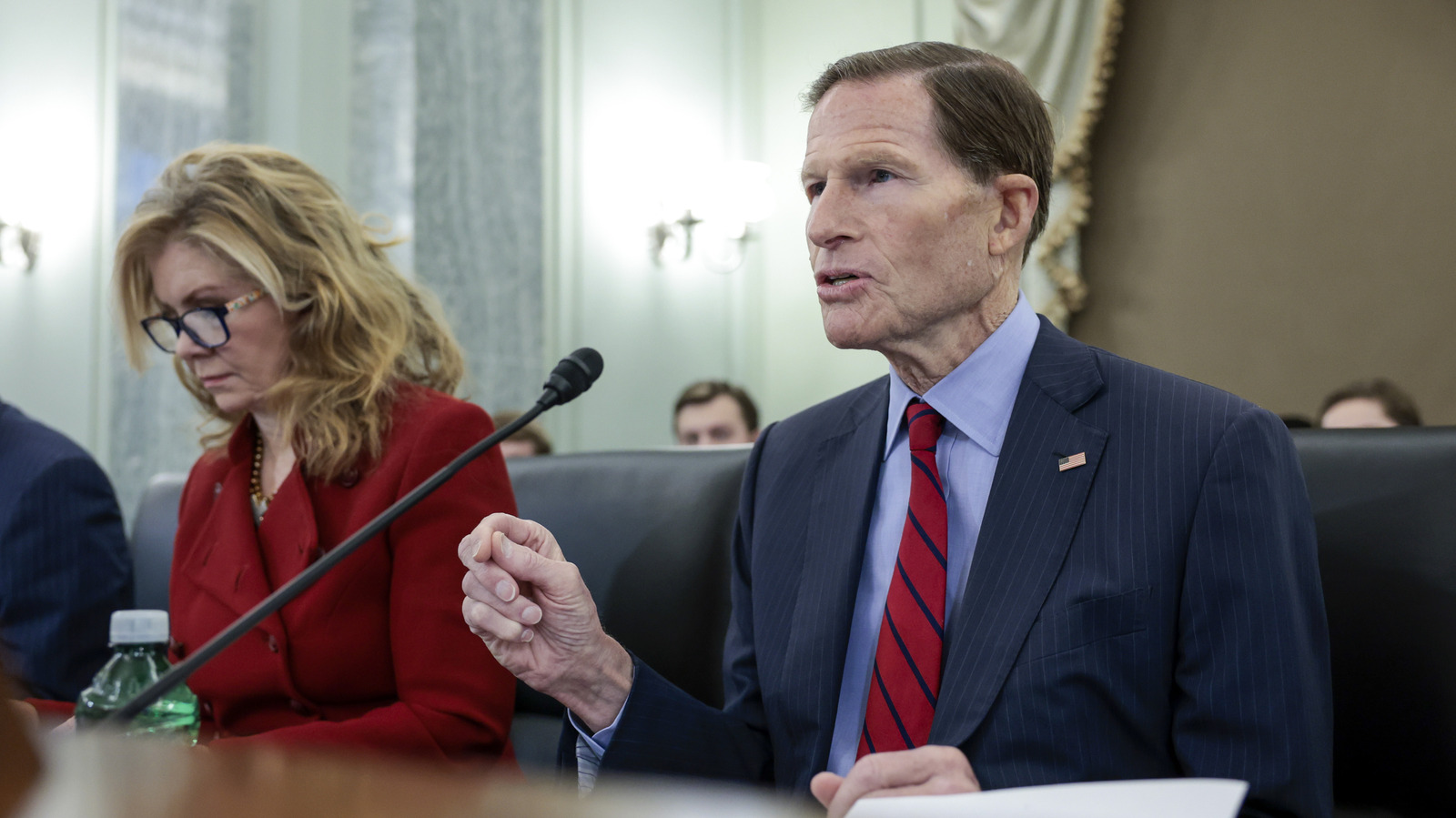
US senators are pressing TikTok for answers about an experiment that reportedly withheld an algorithm safety feature. A teenager who later died by suicide was reportedly included in the test.

At 23, Sean Grindal is building around the belief that AI tools increasingly fail because they are difficult to use, not because they lack capabilities. His approach focuses on making AI video creation more accessible as competitors continue adding features.