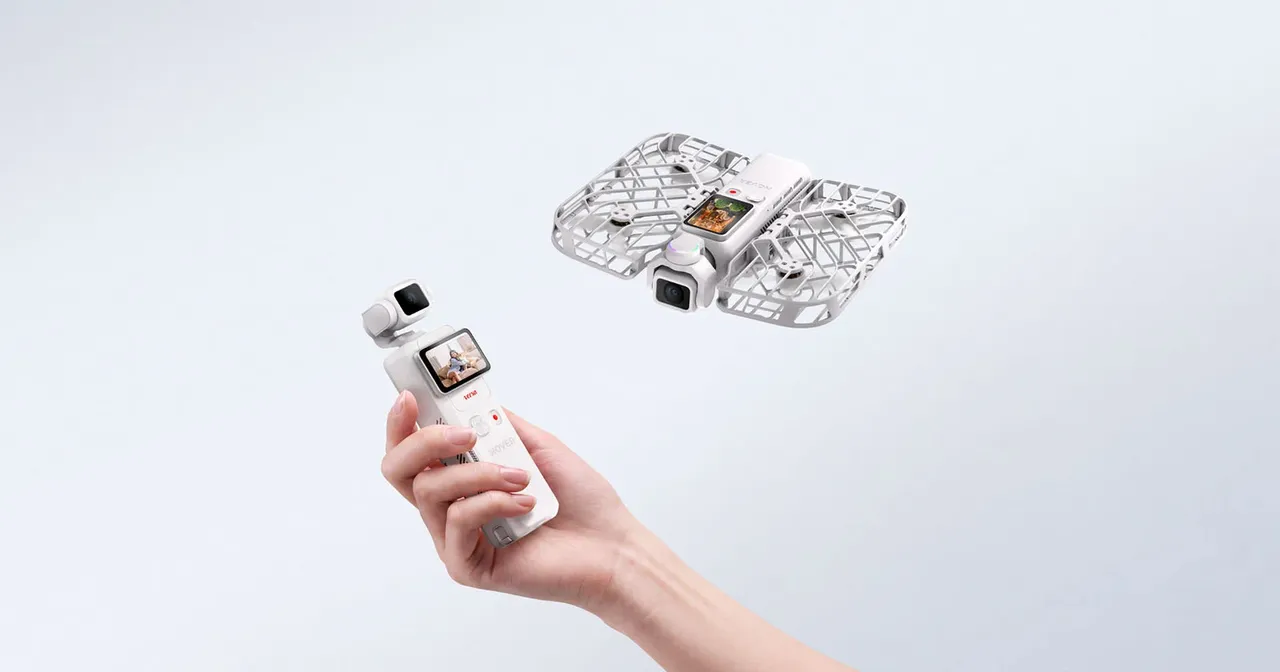
HoverAir Versa Becomes a Self-Flying Drone
HoverAir has unveiled the Versa, a modular pocket gimbal camera that magnetically transforms into a self-flying drone. It supports palm launching, autonomous subject tracking, and multiple filming angles.
Few direct matches — filled in with the latest updates.
Tag: #ai-tracking4 results
HoverAir has unveiled the Versa, a modular pocket gimbal camera that magnetically transforms into a self-flying drone. It supports palm launching, autonomous subject tracking, and multiple filming angles.

OBSBOT launches Tiny 3, a 63g AI live camera with 4K@30fps, upgraded AI tracking 2.0 featuring 'Only Me' mode, and direct phone streaming. It includes a 1/1.28-inch sensor, PTZ gimbal, three-mic AI audio, priced at 2499 RMB.

Peacock introduces native vertical video for NBA games, letting users watch without rotating phones. An algorithm tracks players and zooms on action. It launches this spring, possibly using viztrick AiDi facial recognition tech.

Domino’s launched advanced AI for order tracking with enhanced visibility. iPhone Live Activities show live pizza updates without opening the app. This improves customer experience significantly.

OpenAI and Meta are seeking help to address growing public opposition to their AI data center plans. The effort highlights the increasing public-relations challenges surrounding large-scale AI infrastructure expansion.

VB Pulse data shows enterprises are adopting multiple AI orchestration platforms instead of relying on a single vendor. The survey also highlights persistent concerns about security, permissions, token usage, cost visibility, and the ability to stop runaway agent spending in real time.

Google is introducing a button that lets readers mark publishers as preferred sources across Search, Discover, and Google News. The feature could help publishers recover traffic as AI-powered search generates fewer direct clicks to websites.

Runlayer and Rippling have dropped their lawsuits, with no money changing hands. Rippling marked the resolution by releasing a competing product, leaving the dispute as a cautionary example for founders.
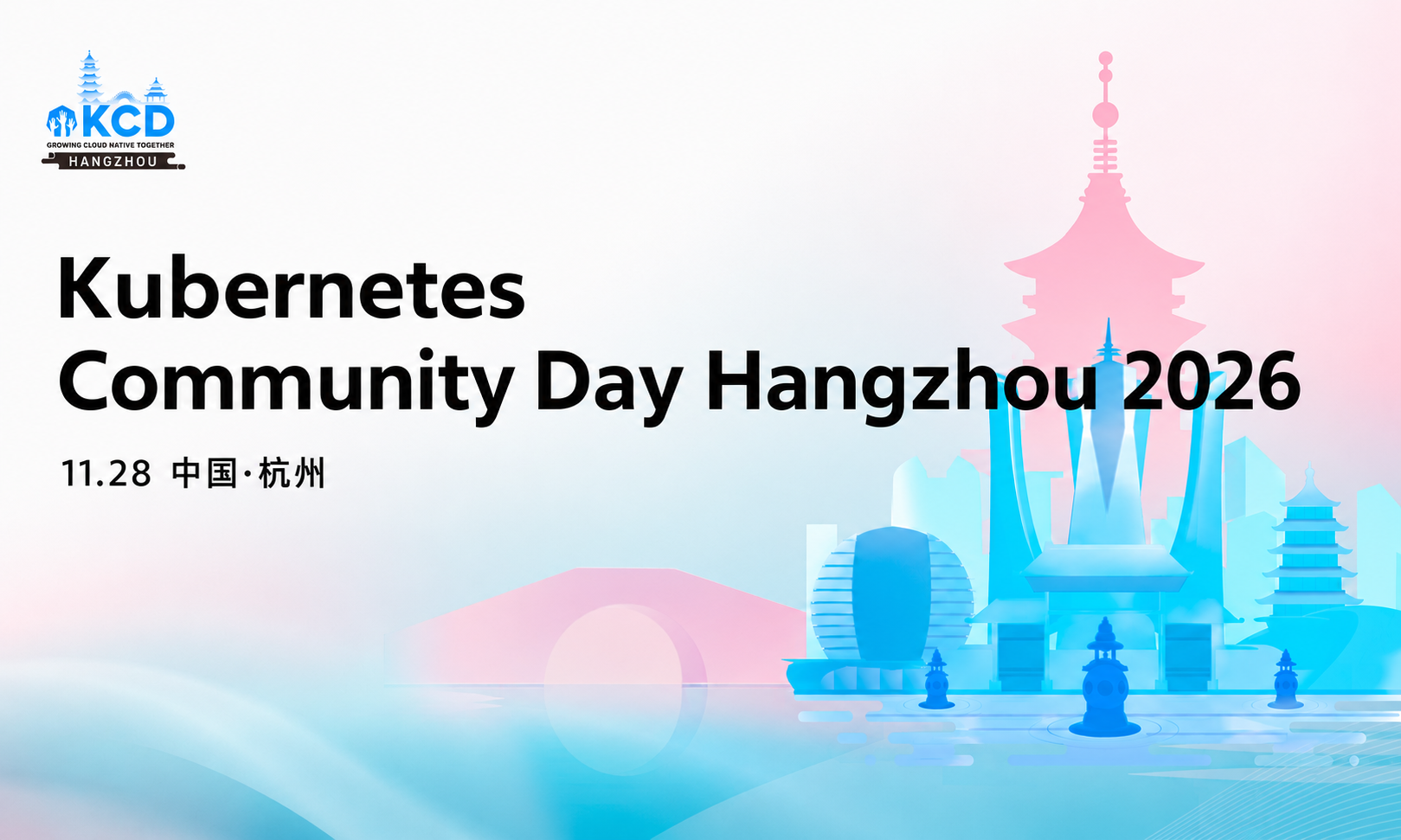
KCD Hangzhou has opened its call for papers, inviting the community to discuss cloud native technologies, observability, and large-model inference in the Agent era. The announcement targets practitioners interested in sharing or learning about the infrastructure behind AI agents.

Wired AI argues that Silicon Valley technology leaders do not understand society’s growing frustrations with AI. The article criticizes their public messaging as disconnected from legitimate concerns about AI’s impact.