
Prefabricated AI Compute Deploys in 24 Hours
China’s prefabricated computing infrastructure reportedly achieves over 90% factory prefabrication and can enter operation within 24 hours. The approach is said to improve delivery efficiency by 70%.
10 results on this page
China’s prefabricated computing infrastructure reportedly achieves over 90% factory prefabrication and can enter operation within 24 hours. The approach is said to improve delivery efficiency by 70%.
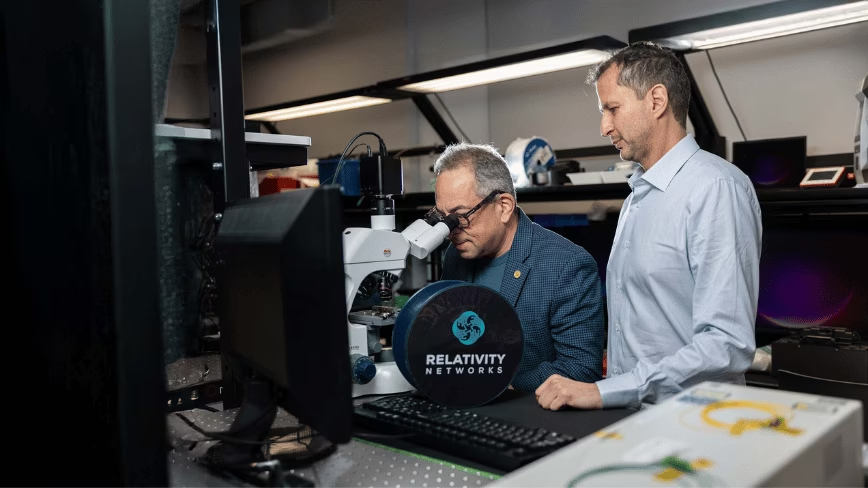
Relativity Networks raised $22 million through a SAFE and secured a $40 million order from a large cloud provider. The Orlando-based company is developing fibre technology intended to accelerate connectivity inside AI data centres.
Alibaba Group reported a 9% revenue increase as growing AI development in China boosted demand for computing capacity from its cloud business. The results highlight how AI infrastructure demand is supporting Alibaba’s broader growth.
Lightelligence is shifting from computing with light to connecting with light, signaling a more pragmatic focus on photonic interconnects. Despite strong investor enthusiasm following a 383.62% first-day stock surge in Hong Kong, the company faces concentrated customers, slow receivables, declining margins, and supply-chain risks.
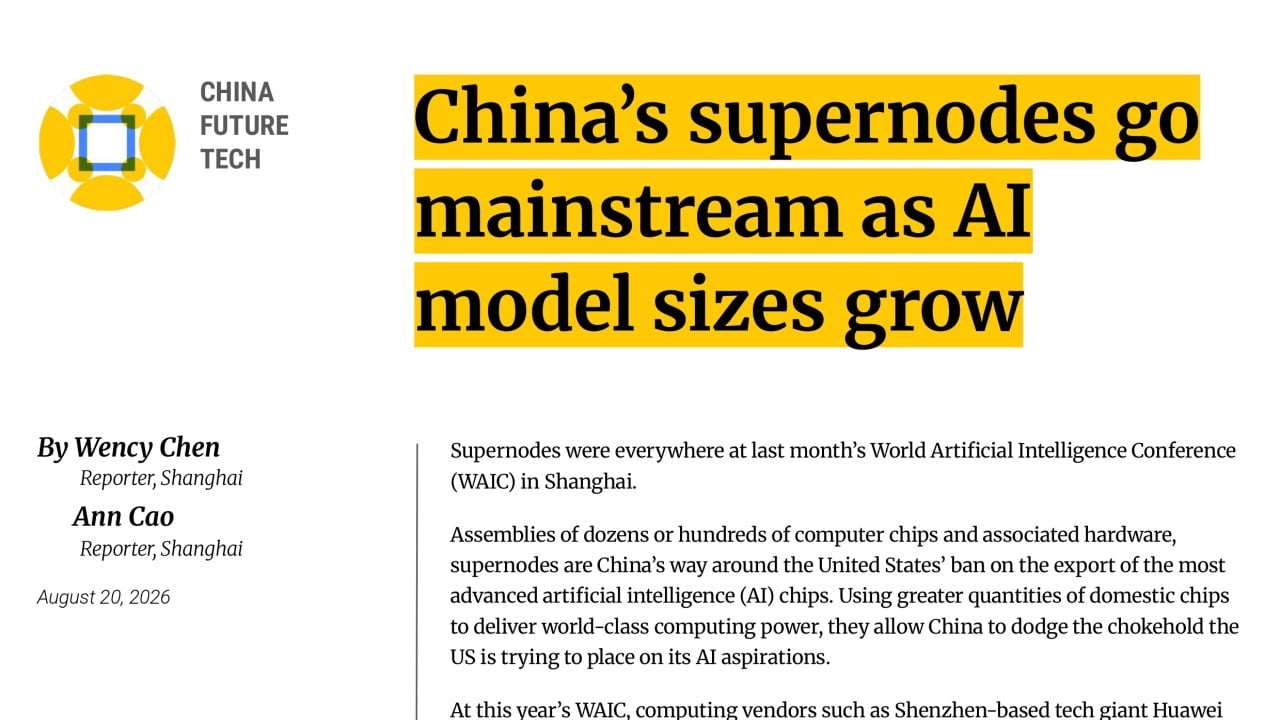
China is increasingly deploying supernodes—clusters of dozens or hundreds of chips and supporting hardware—to scale AI computing. By combining larger quantities of domestic chips, these systems aim to deliver competitive performance despite US export restrictions on advanced AI chips.
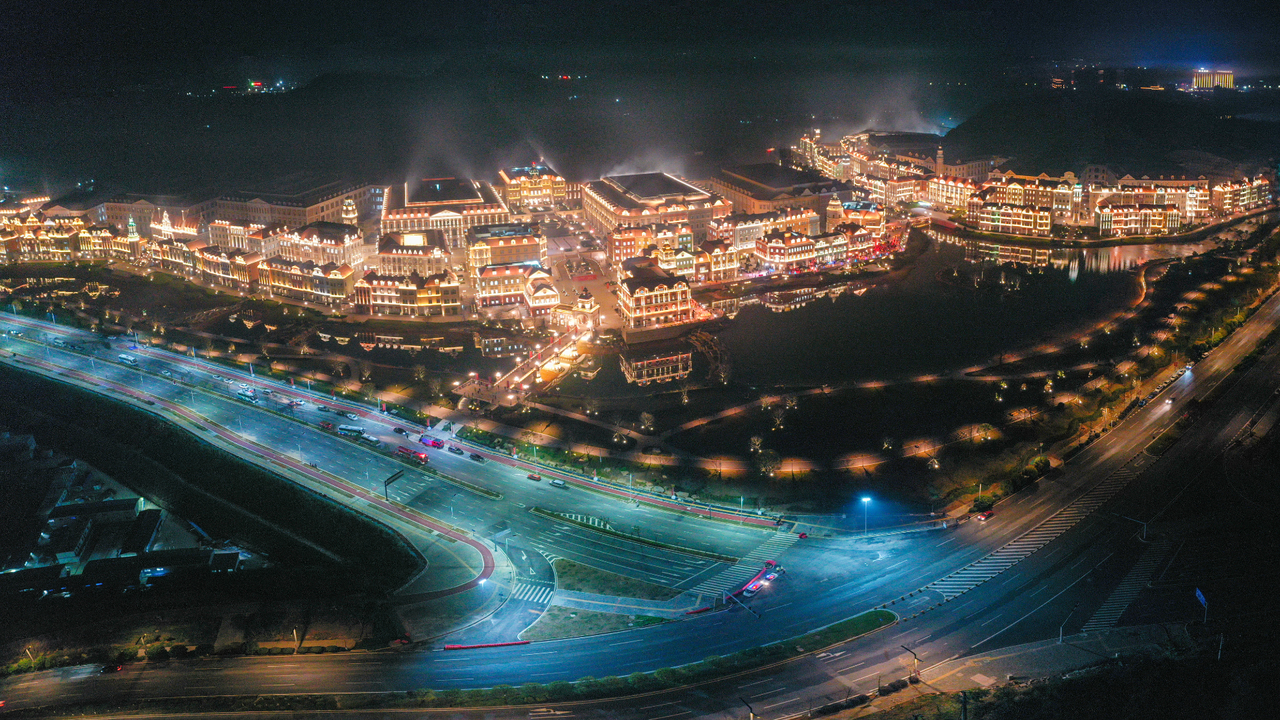
Chinese technology companies are building large AI data center complexes in rural provinces to use surplus land and energy. Huawei and Tencent are reportedly developing infrastructure in Guizhou under China's “Eastern Data, Western Computing” strategy.

Kingsoft Cloud reported second-quarter FY2026 revenue of 3.072 billion yuan, up 30.8% year over year and above market expectations. AI-related customers drove growth, while the company recorded its first GAAP operating profit and continued investing heavily in AI computing capacity.
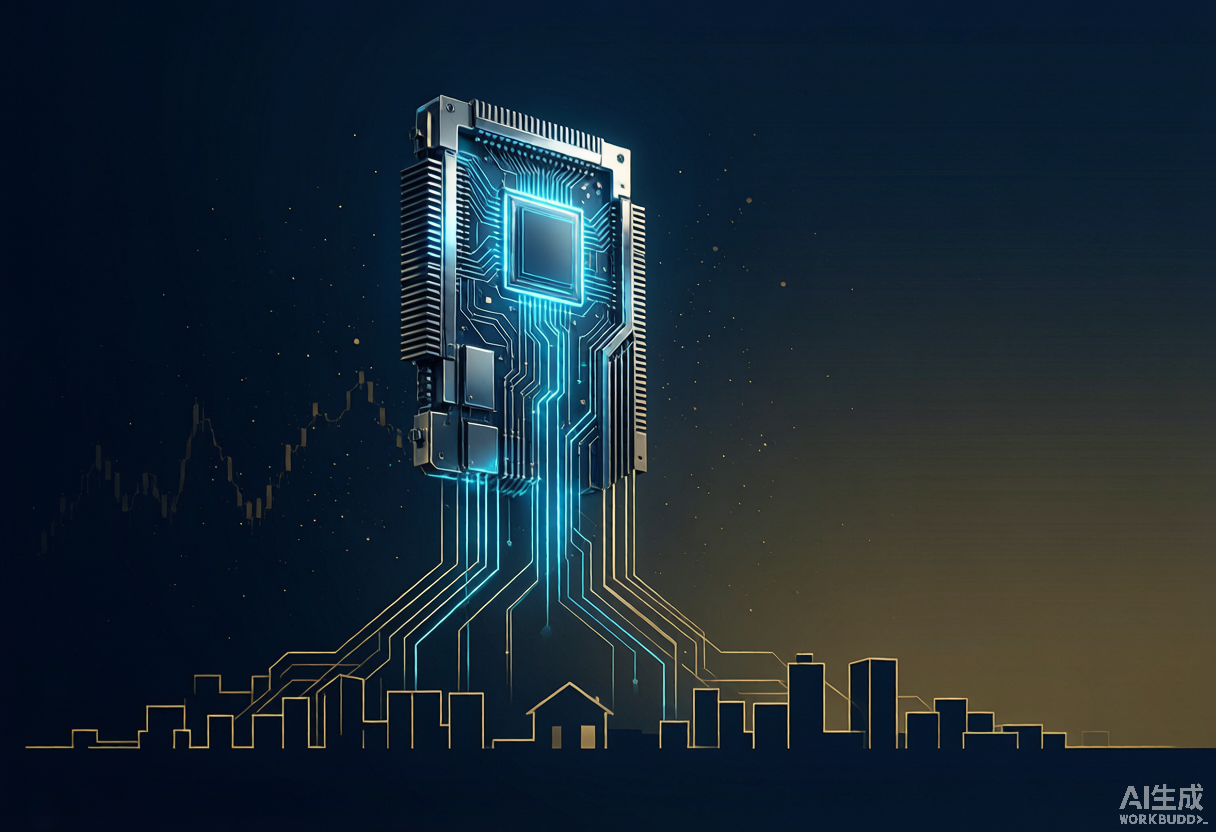
The article examines how computing capacity is emerging as a financeable asset class comparable to real estate. It highlights lending models tied to token consumption and Wall Street structures that place GPUs into SPVs to attract pension capital.
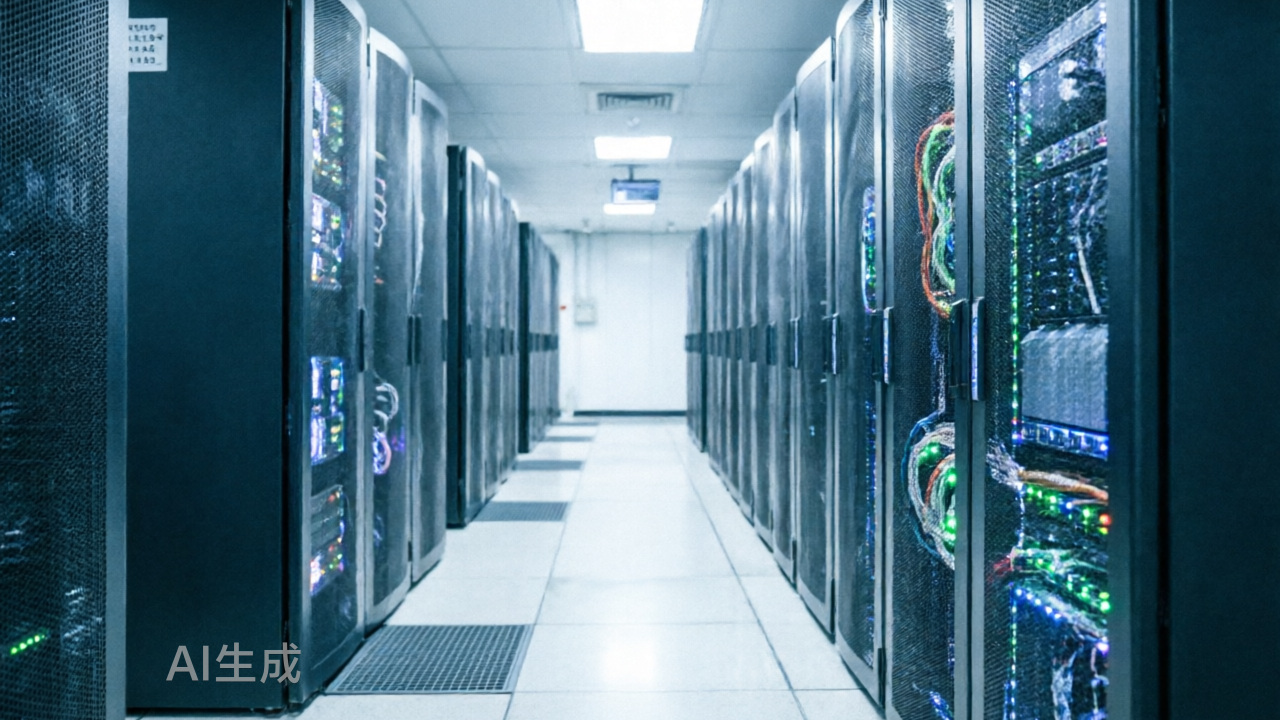
The article examines how domestic computing infrastructure can meet the rising demands of AI4S, particularly in marine computing scenarios. It highlights that AI significantly increases the complexity beyond existing requirements for stability and real-time performance.
Hudson River Trading signed a multiyear agreement with CoreWeave to use its AI computing services. The partnership will support the development of new trading research and machine-learning models.