China Moves AI Data Centers West for Cheaper Power
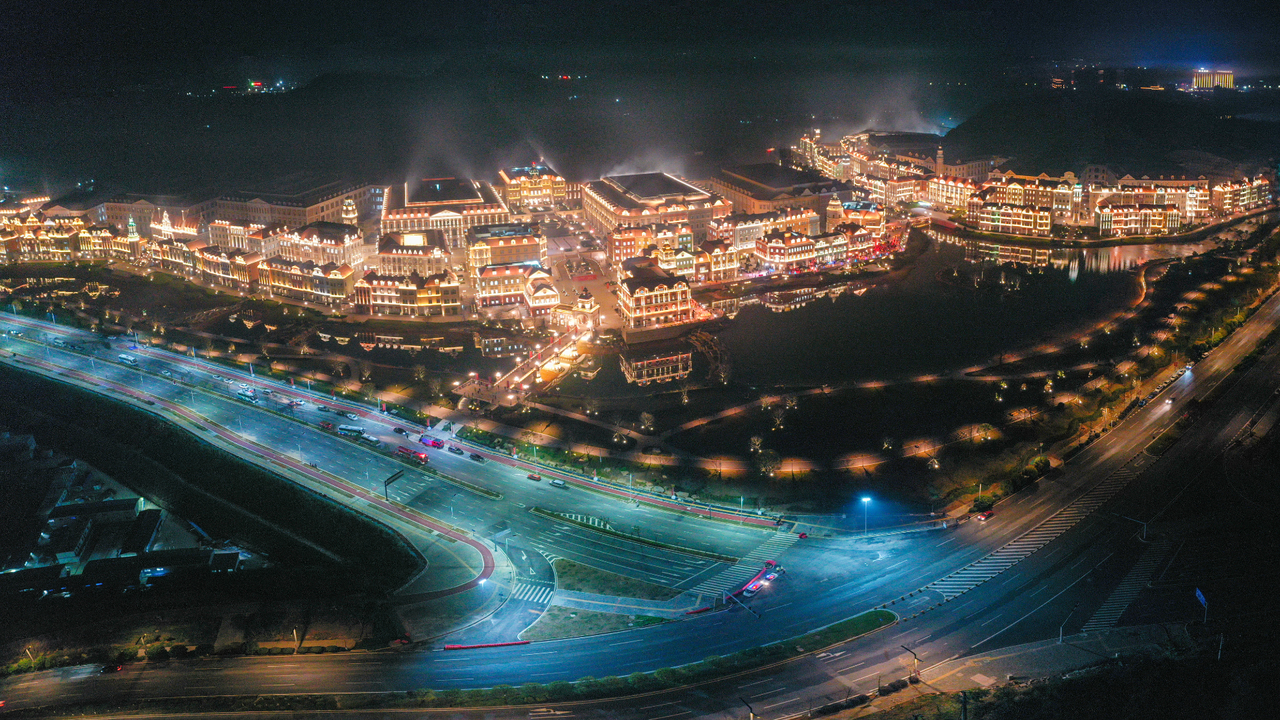
💡China's westward compute strategy shows how power and geography are reshaping AI infrastructure.
⚡ 30-Second TL;DR
What Changed
AI data center construction is shifting from eastern regions toward rural western provinces.
Why It Matters
Moving compute closer to surplus power can reduce infrastructure constraints and support China's domestic AI scaling. For AI operators, the strategy highlights the importance of electricity availability, network connectivity, and data-center location in deployment planning.
What To Do Next
Add power availability, inter-region bandwidth, and latency from Guizhou-like locations to your next AI inference deployment comparison.
Key Points
- •AI data center construction is shifting from eastern regions toward rural western provinces.
- •Huawei and Tencent are reportedly building AI infrastructure in Guizhou.
- •Lower land and energy constraints are enabling faster construction with fewer local obstacles.
- •Experts remain uncertain about how much economic development these projects will create locally.
🧠 Deep Insight
AI-generated analysis for this event.
🔑 Enhanced Key Takeaways
- •The 'Eastern Data, Western Computing' (East-to-West Computing Resource Transfer) project was officially launched by the National Development and Reform Commission (NDRC) in February 2022 to address regional imbalances in digital infrastructure.
- •Guizhou province, specifically the Gui'an New Area, has become a primary hub due to its stable geological conditions, cool climate which reduces cooling costs, and abundant hydroelectric power.
- •China's strategy includes the establishment of eight national computing hubs and ten national data center clusters to optimize the distribution of computing power across the country.
- •Latency challenges remain a significant technical hurdle, as transmitting data from eastern economic centers to western data centers introduces delays that can impact real-time AI inference tasks.
- •Local governments in western provinces are offering preferential electricity pricing and tax incentives to attract major tech firms, though these subsidies are increasingly scrutinized for long-term fiscal sustainability.
🛠️ Technical Deep Dive
- Implementation of high-voltage direct current (HVDC) transmission lines to minimize energy loss during long-distance power delivery from western generation sites to data centers.
- Utilization of liquid cooling technologies and natural air cooling systems to maintain PUE (Power Usage Effectiveness) ratios below 1.2 in high-density AI clusters.
- Integration of specialized AI chips and high-bandwidth interconnects (such as Huawei's Ascend series) to handle massive parallel processing requirements within the western clusters.
- Deployment of edge computing nodes in eastern cities to cache frequently accessed data, mitigating the latency issues inherent in the East-to-West architecture.
🔮 Future ImplicationsAI analysis grounded in cited sources
⏳ Timeline
Weekly AI Recap
Read this week's curated digest of top AI events →
👉Related Updates


AI-curated news aggregator. All content rights belong to original publishers.
Original source: Tom's Hardware ↗