🎵
Indian Startup Challenges OpenAI in Voice AI
A Bangalore-based startup has entered the competition to create highly human-like artificial voices. Its AI model reportedly earns high scores compared with systems from OpenAI and ElevenLabs.
10 results on this page
A Bangalore-based startup has entered the competition to create highly human-like artificial voices. Its AI model reportedly earns high scores compared with systems from OpenAI and ElevenLabs.

Rapidus is pursuing mass production of advanced 2nm semiconductors through a large-scale Japanese national project. Instead of matching TSMC’s scale, the company plans to compete with RUMS, an integrated one-building production model designed for diverse, lower-volume manufacturing.
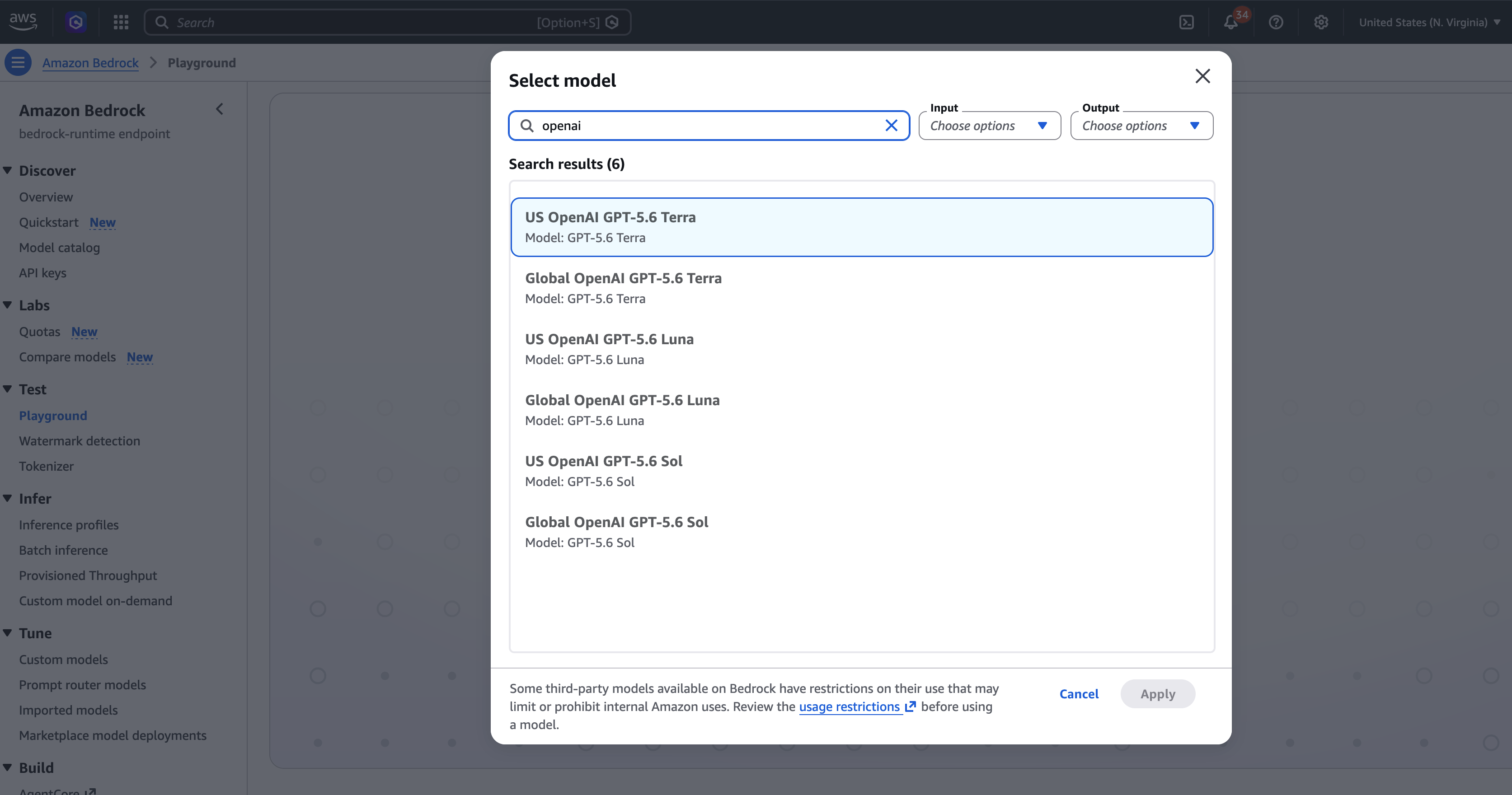
Amazon Bedrock now supports OpenAI GPT-5.6 models—Sol, Terra, and Luna—across more than 25 AWS Regions through cross-Region inference. Developers can use US geographic or global inference profiles to improve throughput and access the models through OpenAI and Converse APIs.
Anthropic plans to let business customers retain data for its most capable AI models on their own cloud infrastructure. The planned safety system, expected later this year, would still require a 30-day retention period while moving storage control to customers.

Ramp has launched Router, an AI model routing service that allows users and companies to access and switch between multiple large language models. The service is available through an API.

Tactile robotics is expanding from sensor hardware into datasets, foundation models, and evaluation benchmarks. Research shows touch improves physical reasoning and robot success, but inconsistent sensor formats create major cross-device transfer challenges.

Kuaishou’s Kling AI raised nearly $3 billion at a post-money valuation of $18 billion, with Kuaishou’s stake falling to 68.33% and a potential Hong Kong IPO targeted by 2031. Despite strong revenue growth, Kling faces slowing momentum, talent departures, and intense competition from ByteDance’s Seedance and open-source video models.

Tencent is aggressively expanding WorkBuddy through more than 2,000 agents, enterprise discounts, sales commissions, and standardized marketing scripts. The AI office market is shifting from model differentiation toward deployment services, human-heavy implementation, measurable ROI, and price competition.
Callosum has raised $100 million in early financing to develop software that matches specific AI tasks with suitable models and chips. Backers include the UK’s public AI fund.

MiniMax Design uses an Agent to orchestrate multiple models for professional content production. Its positioning reflects a broader shift in AI video competition from model capabilities alone toward integrated products and measurable commercial value.