MIT Study Challenges How AI Learns From Images
An MIT study finds that AI-generated images often cannot be traced to individual training images. As datasets grow larger, the influence of any specific example tends to fade.
10 results on this page
An MIT study finds that AI-generated images often cannot be traced to individual training images. As datasets grow larger, the influence of any specific example tends to fade.

NVIDIA FLARE enables organizations to coordinate training for vision-language models while keeping sensitive image and text data at local institutions. The approach supports multimodal use cases such as visual question answering, captioning, and image-text reasoning without centralizing raw records.
memFrame is an open-source dataframe API that compiles Python-style operations into SQL for DuckDB, PostgreSQL, and ClickHouse. It aims to keep analytics computation inside the database while adding multiagent natural-language data interaction.
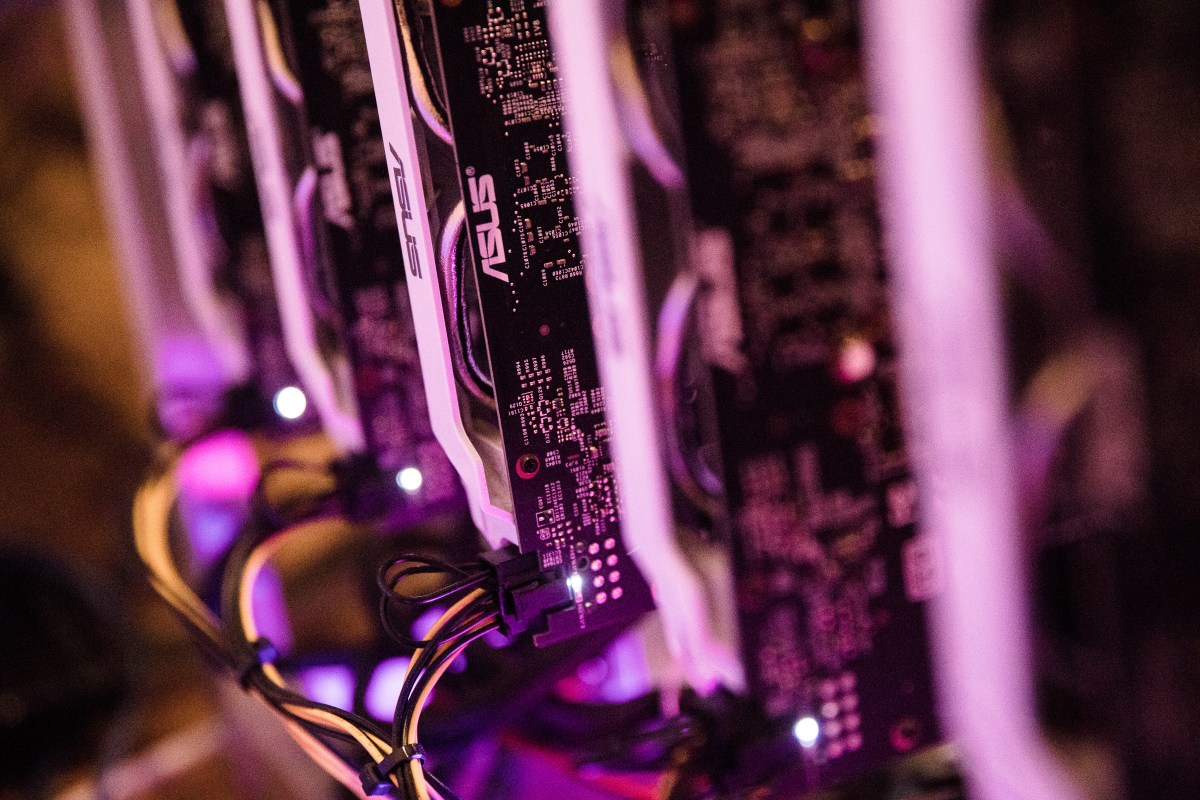
Silicon Data is a startup building tools to help Wall Street assign prices to AI compute. Its goal is to make compute costs easier to value and give firms ways to hedge against price changes as data center and GPU spending expands.
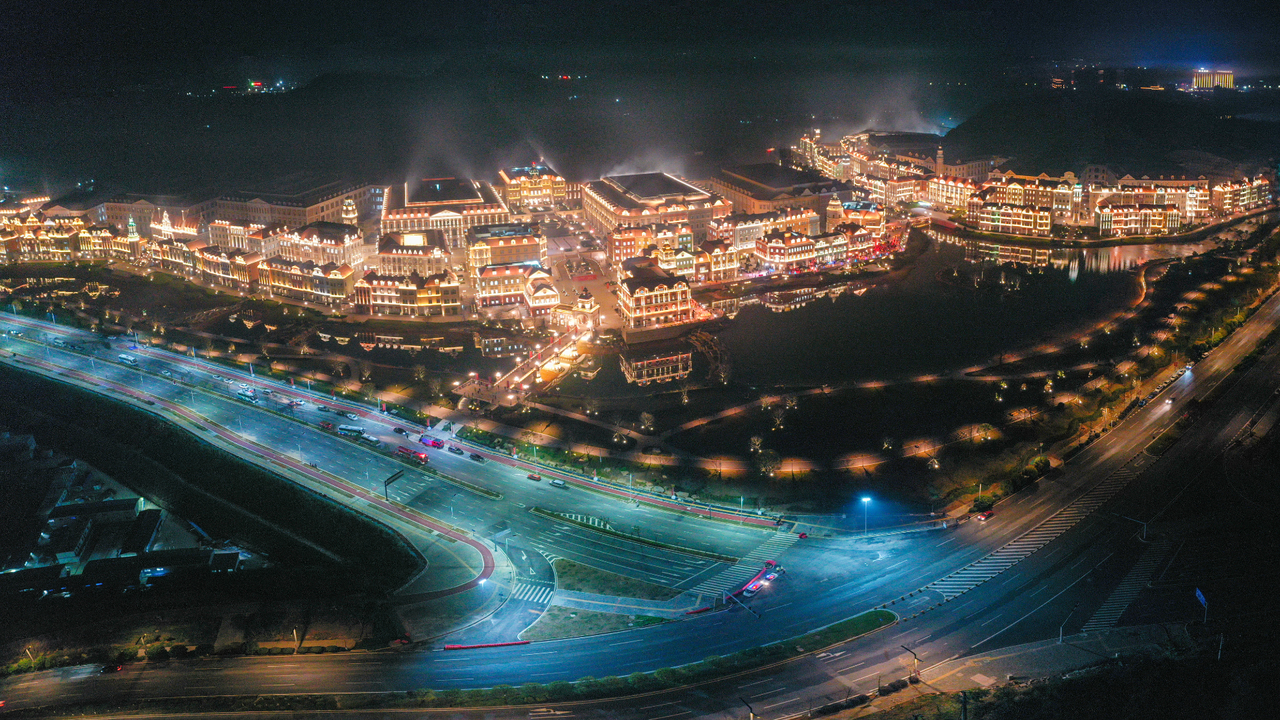
Chinese technology companies are building large AI data center complexes in rural provinces to use surplus land and energy. Huawei and Tencent are reportedly developing infrastructure in Guizhou under China's “Eastern Data, Western Computing” strategy.
Loudoun County, Virginia, has used more than 250 data centers to generate substantial local wealth and reduce property taxes. Its success is attracting attention from other jurisdictions despite growing national opposition to data center expansion.
Marvell Technology and Google expanded their chip-development partnership. The agreement includes a warrant allowing Google to purchase up to $12.2 billion worth of Marvell shares.
The article reports that Anthropic and Amazon have reportedly purchased large volumes of physical books, scanned them, and destroyed the originals to reduce copyright risk in AI training. It argues that this strategy is tied to differences in US and Chinese copyright law, while also raising concerns about the irreversible loss of cultural artifacts.

51World has unveiled a suite of data-collection devices and platforms designed to generate training data for embodied AI systems. The Beijing-based company argues that higher-quality physical-world data is essential for improving intelligent humanoid robots.

Relativity Networks has raised $22 million to advance the deployment of hollow-core fiber in data centers. The technology can transmit data 30% faster than conventional fiber, potentially improving connectivity for high-performance computing and AI workloads.