Silicon Data Brings Pricing to AI Compute
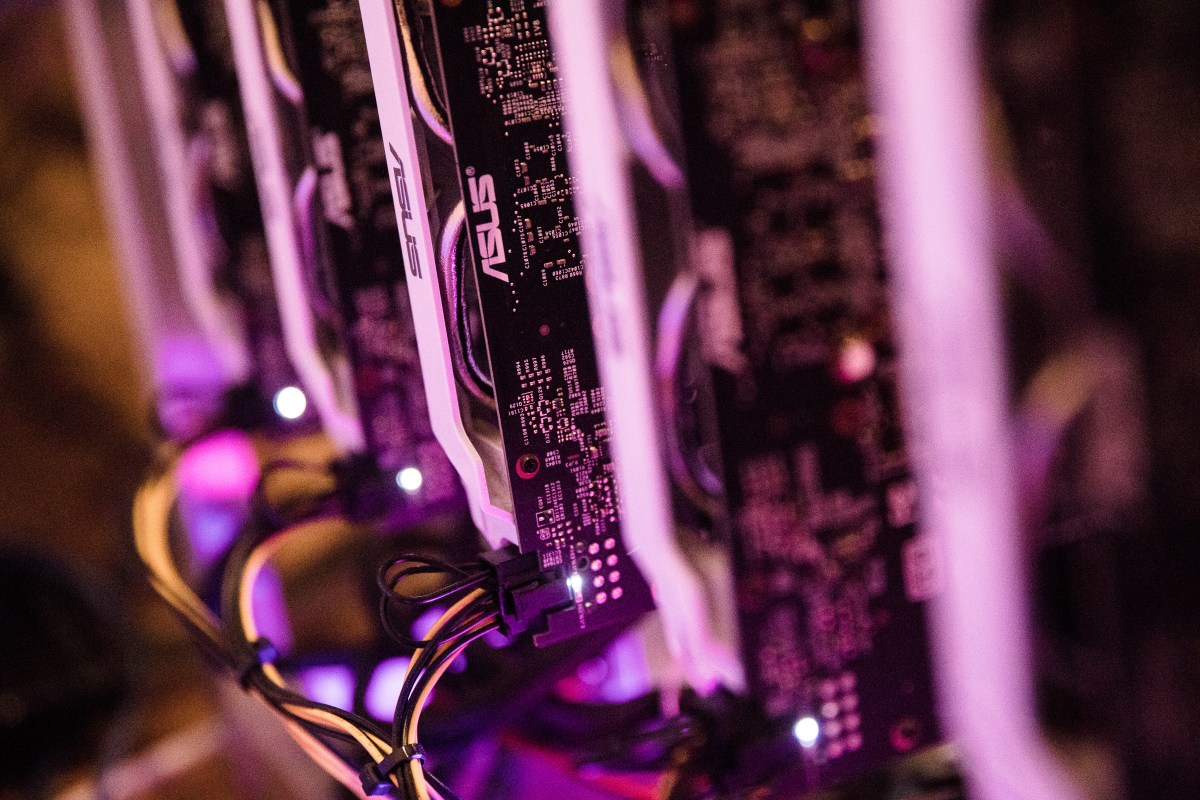
💡Compute is AI's biggest cost—this startup wants to make it priceable and hedgeable.
⚡ 30-Second TL;DR
What Changed
AI compute has become the largest cost for many companies building AI products.
Why It Matters
A clearer market price for compute could improve budgeting, infrastructure procurement, and financial planning for AI companies. If hedging instruments emerge, startups and enterprises may gain protection from volatile GPU and data-center costs.
What To Do Next
Track your GPU and data-center spending by workload, then evaluate whether Silicon Data's pricing or hedging tools could support your next infrastructure budget.
Key Points
- •AI compute has become the largest cost for many companies building AI products.
- •Hundreds of billions of dollars are being invested annually in data centers and GPUs.
- •Silicon Data is addressing the lack of straightforward compute pricing and hedging mechanisms.
- •The company is positioning AI compute as a potentially tradable or financially manageable exposure for Wall Street.
🧠 Deep Insight
AI-generated analysis for this event.
🔑 Enhanced Key Takeaways
- •Silicon Data utilizes a proprietary 'Compute Index' that aggregates real-time spot pricing from major cloud providers (AWS, Azure, GCP) and private GPU clusters to establish a benchmark price.
- •The startup is developing 'Compute Futures' contracts, allowing enterprises to lock in future GPU capacity at fixed rates to mitigate the volatility of spot market pricing.
- •The platform integrates with existing financial risk management software, enabling CFOs to treat AI compute expenditure as a hedgeable commodity rather than a variable operational expense.
- •Silicon Data's valuation model accounts for 'compute intensity' metrics, adjusting prices based on specific hardware architectures like NVIDIA Blackwell or custom TPU deployments.
- •The company recently secured strategic partnerships with tier-2 data center operators to provide liquidity for their secondary compute markets, aiming to reduce idle capacity waste.
📊 Competitor Analysis▸ Show
| Feature | Silicon Data | Cloud Exchange Platforms | Traditional Brokerages |
|---|---|---|---|
| Primary Focus | Financial hedging/derivatives | Capacity utilization | Asset management |
| Pricing Model | Index-based/Futures | Spot/On-demand | Custom contracts |
| Benchmarks | Proprietary Compute Index | Provider-specific | N/A |
🛠️ Technical Deep Dive
- Utilizes a distributed ledger for transparent, immutable tracking of compute contract settlements.
- Employs time-series forecasting models to predict GPU scarcity and price spikes based on historical training run patterns.
- API-first architecture designed to ingest telemetry data from Kubernetes clusters to verify compute consumption in real-time.
- Implements smart contracts to automate the execution of hedging agreements when price thresholds are breached.
🔮 Future ImplicationsAI analysis grounded in cited sources
⏳ Timeline
Weekly AI Recap
Read this week's curated digest of top AI events →
👉Related Updates



AI-curated news aggregator. All content rights belong to original publishers.
Original source: TechCrunch AI ↗