
Calendly Enters the AI Meeting Assistant Race
Calendly is expanding beyond scheduling by entering the crowded meeting note-taking market. It is also releasing Callie, a meeting scheduling assistant.
10 results on this page
Calendly is expanding beyond scheduling by entering the crowded meeting note-taking market. It is also releasing Callie, a meeting scheduling assistant.
Blockbuster debuts by two technology companies show Beijing encouraging its tech champions to raise money from domestic investors. The strategy aims to finance China’s artificial intelligence ambitions while reducing dependence on Wall Street.
A Bangalore-based startup has entered the competition to create highly human-like artificial voices. Its AI model reportedly earns high scores compared with systems from OpenAI and ElevenLabs.

Fei-Fei Li discusses her AI research, her $1 billion startup World Labs, and why she believes the next phase of AI will extend beyond chatbots. The conversation outlines a broader vision for AI’s future rather than announcing a specific product release.

Following claims of a 440 billion valuation, the article proposes six measurable signals for evaluating Unitree Robotics' next three years. Each signal could materially change the company's valuation rationale.

At WRC2026, UBTECH is showcasing humanoid robot applications across industrial, commercial, and home-consumer scenarios. The presentation emphasizes a broad, multi-market deployment strategy.

A court reportedly heard that former Samsung engineers stole process recipes for the company’s 18nm-class DRAM technology for sale to CXMT. One former Samsung engineer who moved to the Chinese memory maker is now reportedly in custody.

AI-generated microdramas accounted for 27.5 million of the 36.7 million microdramas launched nationwide in China during the first half of the year, or 75%. The rapid expansion has triggered criticism from viewers who argue that the content feels repetitive and low quality.
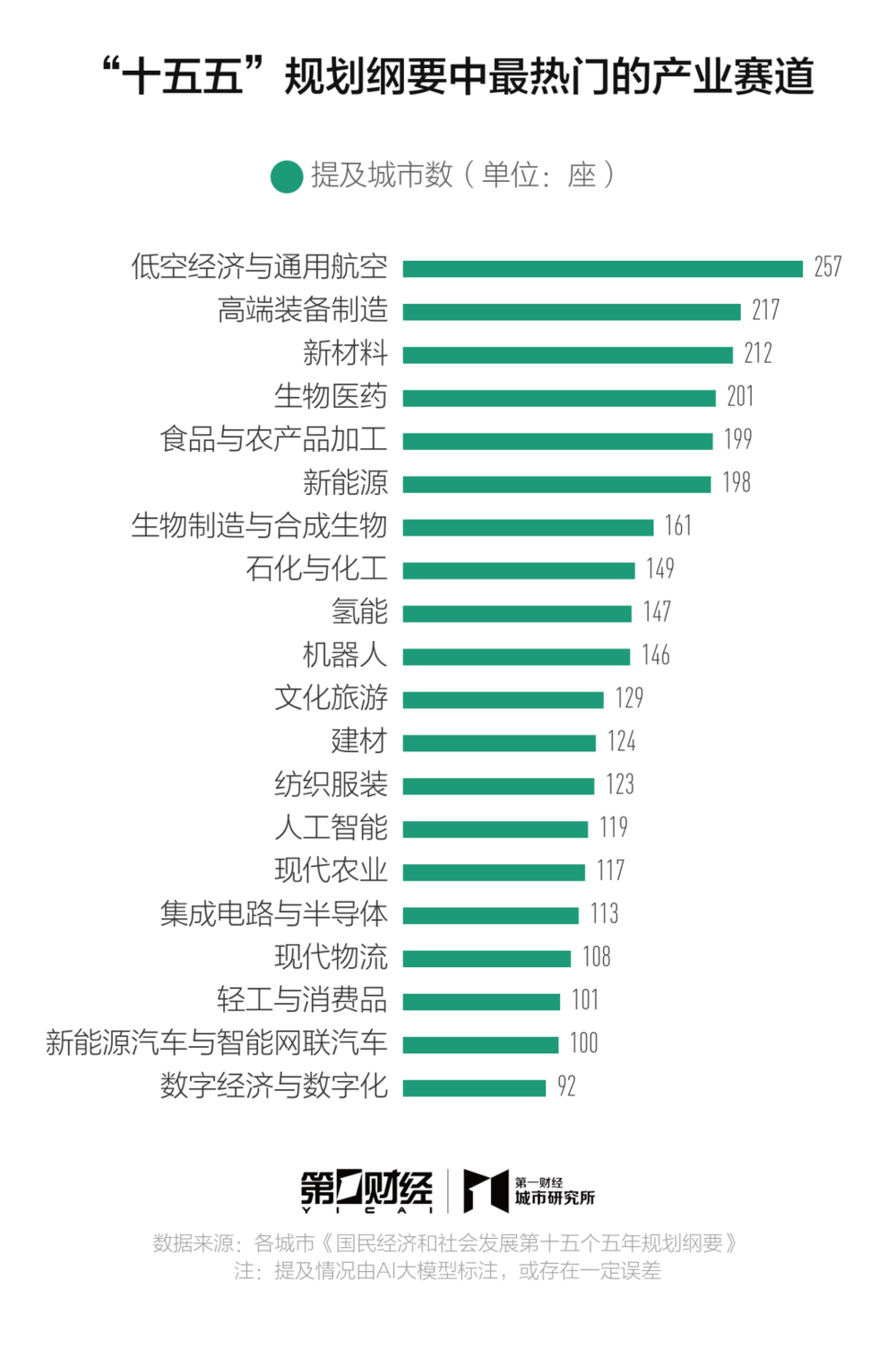
An AI-assisted review of 291 Chinese city planning documents found that low-altitude economy appears in 257 cities’ plans for the next five years. Compared with the previous planning cycle, cities replaced nearly half of their listed industry tracks while increasingly adopting numeric portfolio labels.
Oxford researcher Carl Benedikt Frey argues that China’s biggest obstacle to large-scale AI deployment may be inadequate social protection for workers displaced by automation, not computing power or algorithms. The analysis compares China with historical British welfare systems and Denmark’s flexicurity model, while noting that the cited Chinese incidents do not prove a broad AI crackdown.