🎵
Indian Startup Challenges OpenAI in Voice AI
A Bangalore-based startup has entered the competition to create highly human-like artificial voices. Its AI model reportedly earns high scores compared with systems from OpenAI and ElevenLabs.
10 results on this page
A Bangalore-based startup has entered the competition to create highly human-like artificial voices. Its AI model reportedly earns high scores compared with systems from OpenAI and ElevenLabs.

Fei-Fei Li discusses her AI research, her $1 billion startup World Labs, and why she believes the next phase of AI will extend beyond chatbots. The conversation outlines a broader vision for AI’s future rather than announcing a specific product release.

China’s first national standard focused on coordination between human and intelligent customer service will take effect on September 1. The standard aims to address issues such as repetitive AI replies and difficulty reaching human agents.

Nvidia H200 accelerators have begun reaching Chinese technology companies after months of limited export-licence activity. ByteDance and Tencent reportedly received about 10,000 processors each, while other Chinese companies may soon obtain similar quantities, though mainland availability remains uncertain.

A new embodied AI data foundation is now available for an introductory price of 5,100 yuan. The product aims to provide full-stack physical AI infrastructure for robot training.

NUS Medicine, DayOne and Cortical Labs have unveiled a biological data centre prototype in Singapore. The facility consists of a 20-unit rack of CL1 computers powered by living human neurons, although its efficiency claims have not yet been quantified publicly.
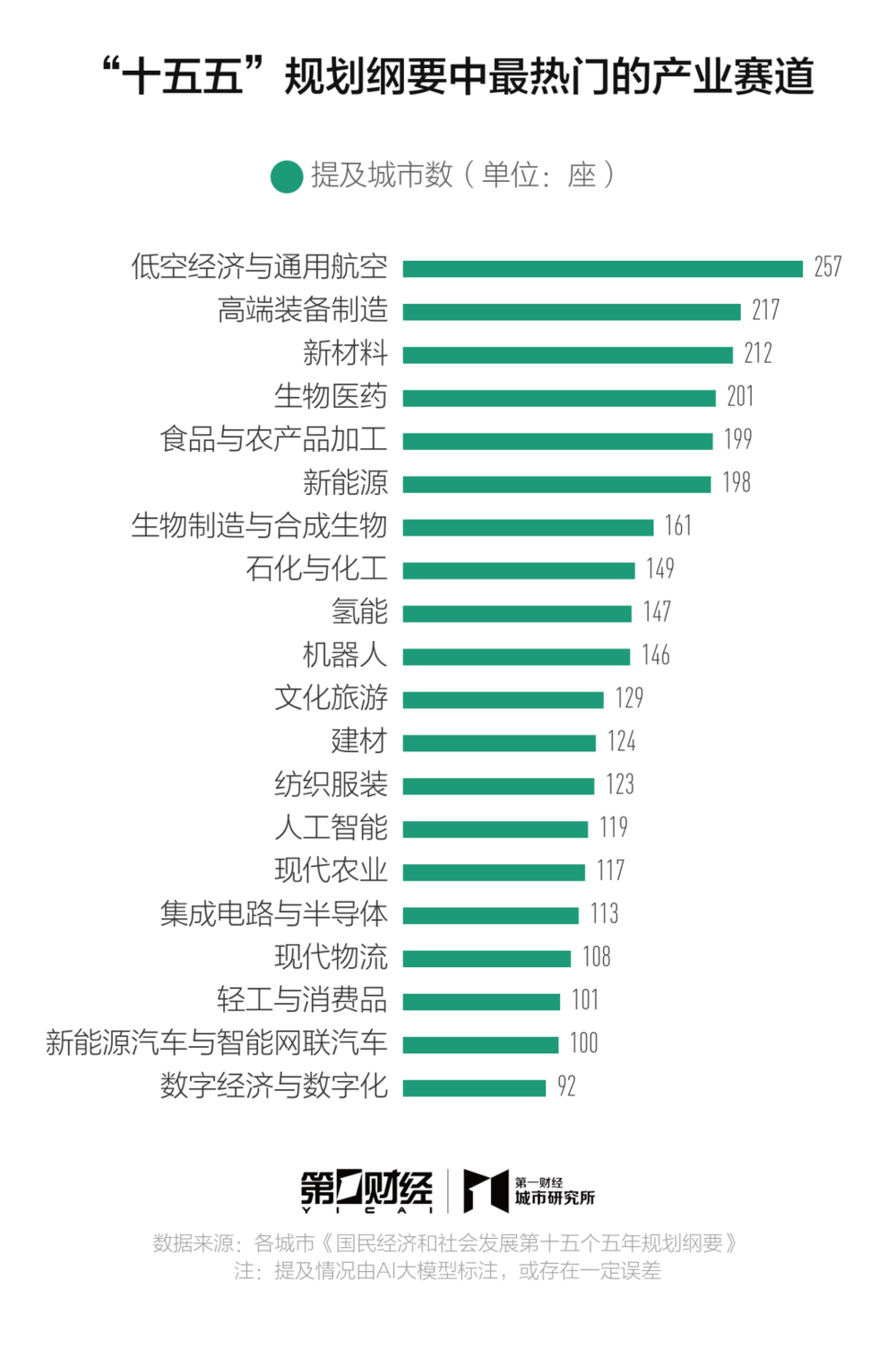
An AI-assisted review of 291 Chinese city planning documents found that low-altitude economy appears in 257 cities’ plans for the next five years. Compared with the previous planning cycle, cities replaced nearly half of their listed industry tracks while increasingly adopting numeric portfolio labels.

The article proposes treating Kubernetes Pods as workers rather than complete AI agents. It examines how this shift could provide a more flexible deployment unit for AI agent systems.
A developer is seeking reliable methods to estimate whether Git commits were created with AI coding tools. The discussion emphasizes probabilistic risk scoring, calibrated signals, and capturing provenance earlier in the development workflow.
Oxford researcher Carl Benedikt Frey argues that China’s biggest obstacle to large-scale AI deployment may be inadequate social protection for workers displaced by automation, not computing power or algorithms. The analysis compares China with historical British welfare systems and Denmark’s flexicurity model, while noting that the cited Chinese incidents do not prove a broad AI crackdown.