
ClarityCheck Exposed More Than 9 Million Face Photos
A security researcher discovered that more than 9 million face photos were stored in an unsecured ClarityCheck database. The database reportedly required no password to access.
10 results on this page
A security researcher discovered that more than 9 million face photos were stored in an unsecured ClarityCheck database. The database reportedly required no password to access.
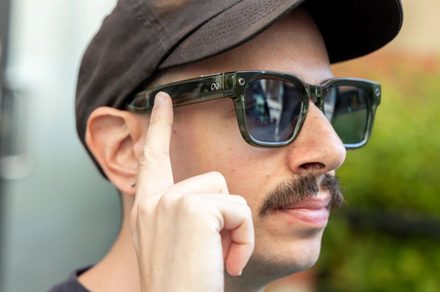
ICE has prohibited employees from using Meta smart glasses in federal workplaces because of privacy concerns. The move contrasts with DHS efforts to secure funding for purpose-built smart glasses that may support biometric identification during immigration enforcement.
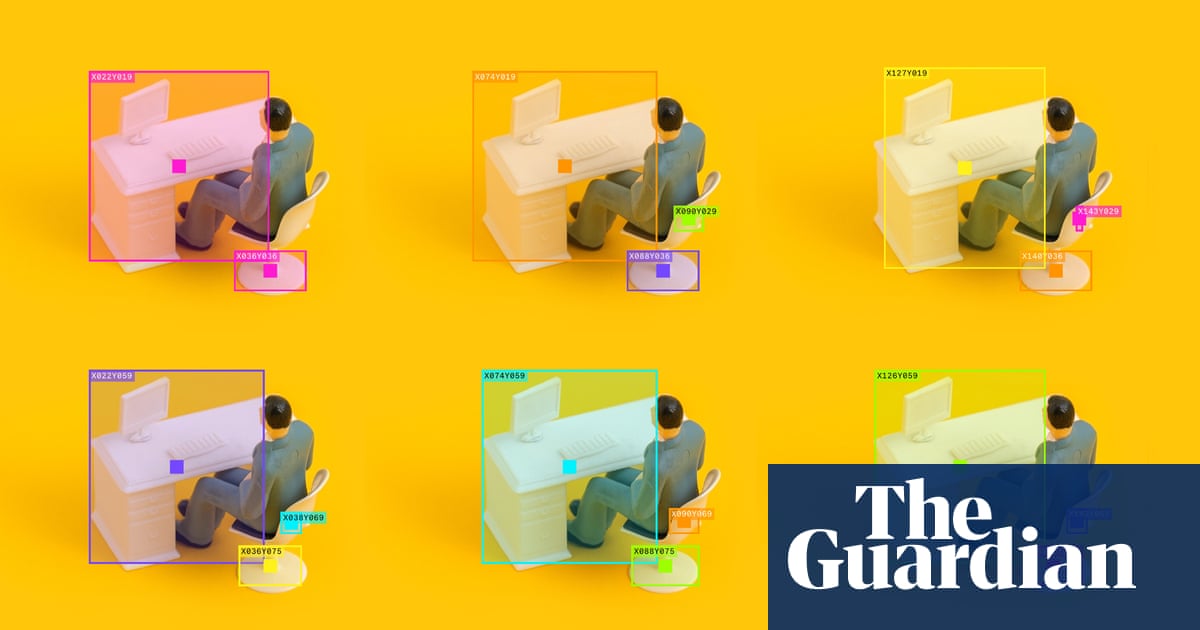
Lawsuits over automated hiring systems are challenging how companies use AI to screen and rank job applicants. A class action against Eightfold AI argues that its applicant-ranking system may function as an undisclosed consumer report without allowing candidates to review or contest the results.
OpenClaw released a fix to ensure its release process trusts exact protected tooling tags. The change addresses release-publishing behavior and improves tag validation reliability.

Runlayer and Rippling have dropped their lawsuits, with no money changing hands. Rippling marked the resolution by releasing a competing product, leaving the dispute as a cautionary example for founders.

A Silicon Valley Chinese American lawyer who previously helped block the U.S. government’s attempted nationwide WeChat ban reportedly had his personal WeChat account permanently suspended by Tencent. The incident has sparked debate over platform governance and alleged irony.

Teens are reportedly using Ray-Ban Meta smart glasses to secretly record classmates and teachers at school. The harassment disproportionately targets girls, and some footage remained online until Futurism contacted Meta and TikTok.

UK cinemas are considering restricting Meta smart glasses because their cameras could enable covert film piracy. The UK Cinema Association says chains must balance these risks against the potential benefits of AI-enabled wearable technology.
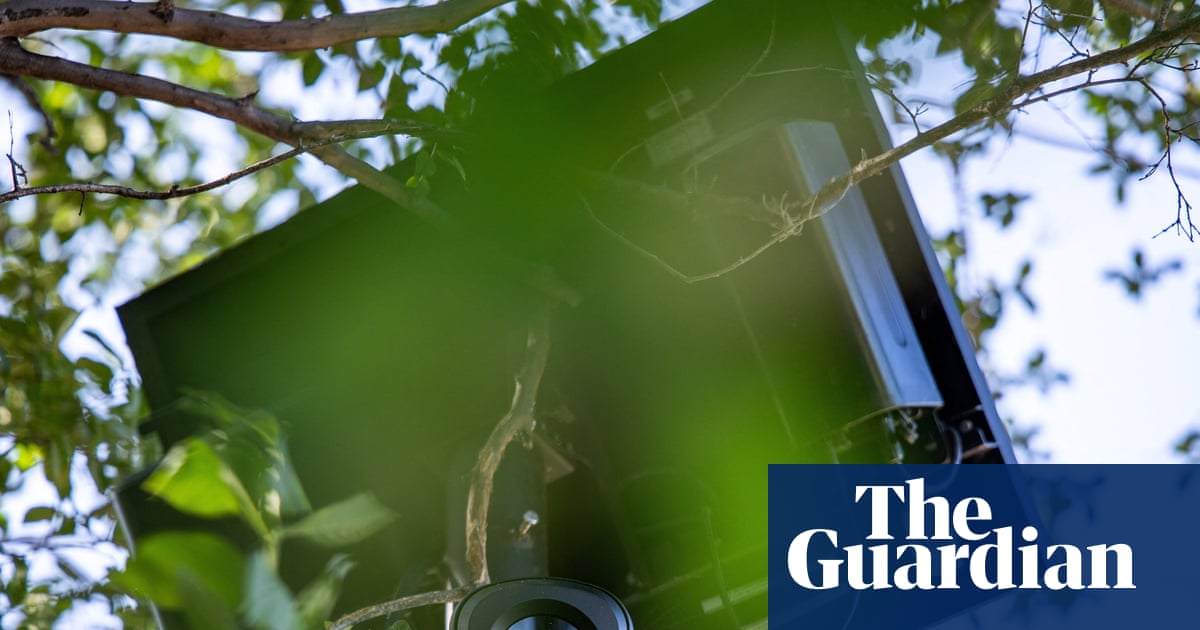
Residents in Longmont, Colorado, opposed Flock Safety’s automated license plate readers after the city allowed its contract to lapse. However, lawmakers later approved a new vendor, illustrating how automated surveillance can continue despite policy victories against a specific provider.

A Verge report highlights how Ray-Ban Meta glasses are being used to film retail workers without meaningful consent. One Target employee described being repeatedly pranked and harassed by customers wearing the glasses.