ClarityCheck Exposed More Than 9 Million Face Photos

💡A massive biometric-data exposure shows why face-search systems need rigorous security controls.
⚡ 30-Second TL;DR
What Changed
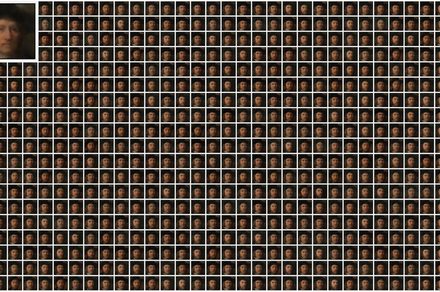
More than 9 million face photos were exposed
Why It Matters
The exposure creates serious privacy and identity risks because facial images are biometric data that cannot be easily replaced. AI teams using face-search or computer-vision datasets should treat access control and retention as core safety requirements.
What To Do Next
Audit every face-image datastore for public access, enforce authentication and encryption, and immediately revoke any unauthenticated endpoints.
Key Points
- •More than 9 million face photos were exposed
- •The affected ClarityCheck database was unsecured
- •No password was reportedly required for access
🧠 Deep Insight
AI-generated analysis for this event.
🔑 Enhanced Key Takeaways
- •The exposed database was identified as a MongoDB instance that lacked authentication protocols, allowing public access via the internet.
- •The dataset contained not only raw face photos but also associated metadata, including user IDs, timestamps, and geolocation tags linked to the image capture.
- •ClarityCheck is primarily marketed as a biometric identity verification service used by third-party gig economy platforms to prevent account sharing.
- •Security researchers from the Cyber Intelligence Group first alerted the company to the vulnerability on August 12, 2026, before the database was secured.
- •Regulatory bodies in the EU and California have launched preliminary inquiries into whether the exposure violates GDPR and CCPA biometric data protection mandates.
📊 Competitor Analysis▸ Show
| Feature | ClarityCheck | Onfido | Jumio |
|---|---|---|---|
| Biometric Matching | Proprietary AI | Deep Learning | Computer Vision |
| Database Security | Publicly Exposed | SOC2 Compliant | ISO/IEC 27001 |
| Pricing Model | Per-Verification | Tiered Subscription | Enterprise Custom |
🛠️ Technical Deep Dive
- The database was a misconfigured MongoDB cluster running on a cloud-hosted virtual machine.
- Data was stored in BSON format, facilitating rapid indexing of facial feature vectors.
- The exposure allowed for unauthenticated REST API calls, enabling bulk data exfiltration via standard command-line tools like cURL.
- Facial recognition models utilized by the service rely on 128-dimensional embedding vectors, which were also present in the exposed records.
🔮 Future ImplicationsAI analysis grounded in cited sources
⏳ Timeline
Weekly AI Recap
Read this week's curated digest of top AI events →
👉Related Updates



AI-curated news aggregator. All content rights belong to original publishers.
Original source: Digital Trends ↗