
UBTECH Brings Humanoids to Three Markets
At WRC2026, UBTECH is showcasing humanoid robot applications across industrial, commercial, and home-consumer scenarios. The presentation emphasizes a broad, multi-market deployment strategy.
10 results on this page
At WRC2026, UBTECH is showcasing humanoid robot applications across industrial, commercial, and home-consumer scenarios. The presentation emphasizes a broad, multi-market deployment strategy.

OpenAI and Meta are seeking help to address growing public opposition to their AI data center plans. The effort highlights the increasing public-relations challenges surrounding large-scale AI infrastructure expansion.

The article examines how AI infrastructure is developing commodity-like markets as GPU shortages make compute capacity increasingly valuable. It suggests Wall Street may begin treating AI compute similarly to oil or other tradable resources.
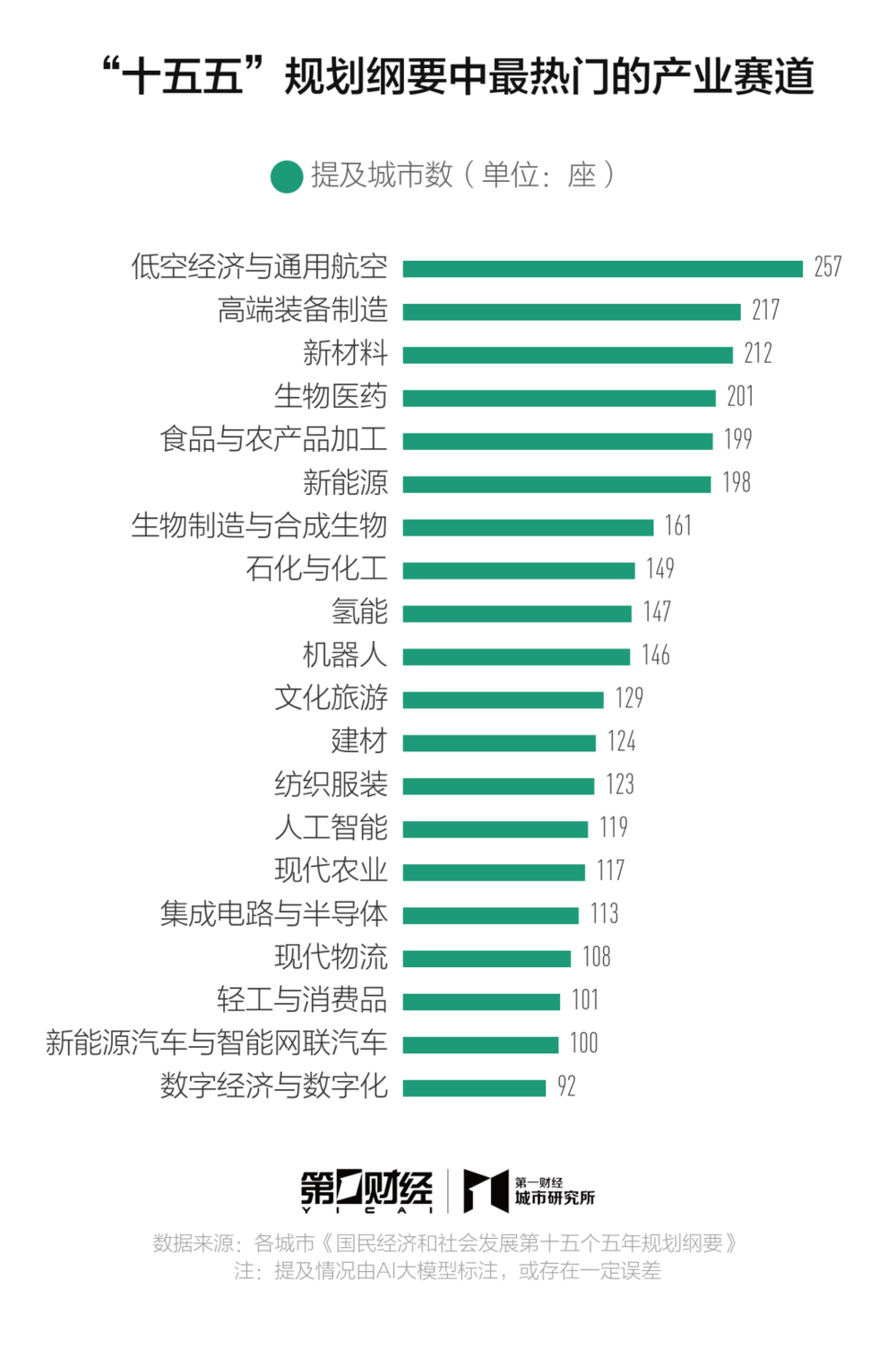
An AI-assisted review of 291 Chinese city planning documents found that low-altitude economy appears in 257 cities’ plans for the next five years. Compared with the previous planning cycle, cities replaced nearly half of their listed industry tracks while increasingly adopting numeric portfolio labels.

Big Tech companies are increasing local public-relations efforts to win support for the data centres needed to expand AI infrastructure. Campaigns reportedly include town halls, tax concessions, and sponsorship of community groups as opposition grows across the United States.
Oxford researcher Carl Benedikt Frey argues that China’s biggest obstacle to large-scale AI deployment may be inadequate social protection for workers displaced by automation, not computing power or algorithms. The analysis compares China with historical British welfare systems and Denmark’s flexicurity model, while noting that the cited Chinese incidents do not prove a broad AI crackdown.

The article examines how airlines can use market models to optimize pricing across complex, multi-connection journeys. These models can account for demand, seasonality, flight timing, current events, global markets, and competitor activity to identify additional revenue opportunities.
Smart bed prices are falling sharply, with many online products now priced at RMB 3,000–4,000 and flagship sets below RMB 10,000. Falling component costs, domestic supply chains, stronger demand, and simplified product configurations are accelerating adoption, while inaccurate sensing and weak adaptive functions remain key concerns.

Hays Plc plans to focus its recruitment business on roles that are harder for artificial intelligence to replace. The shift reflects broader efforts by recruitment firms to adapt to AI-driven changes in the labor market.
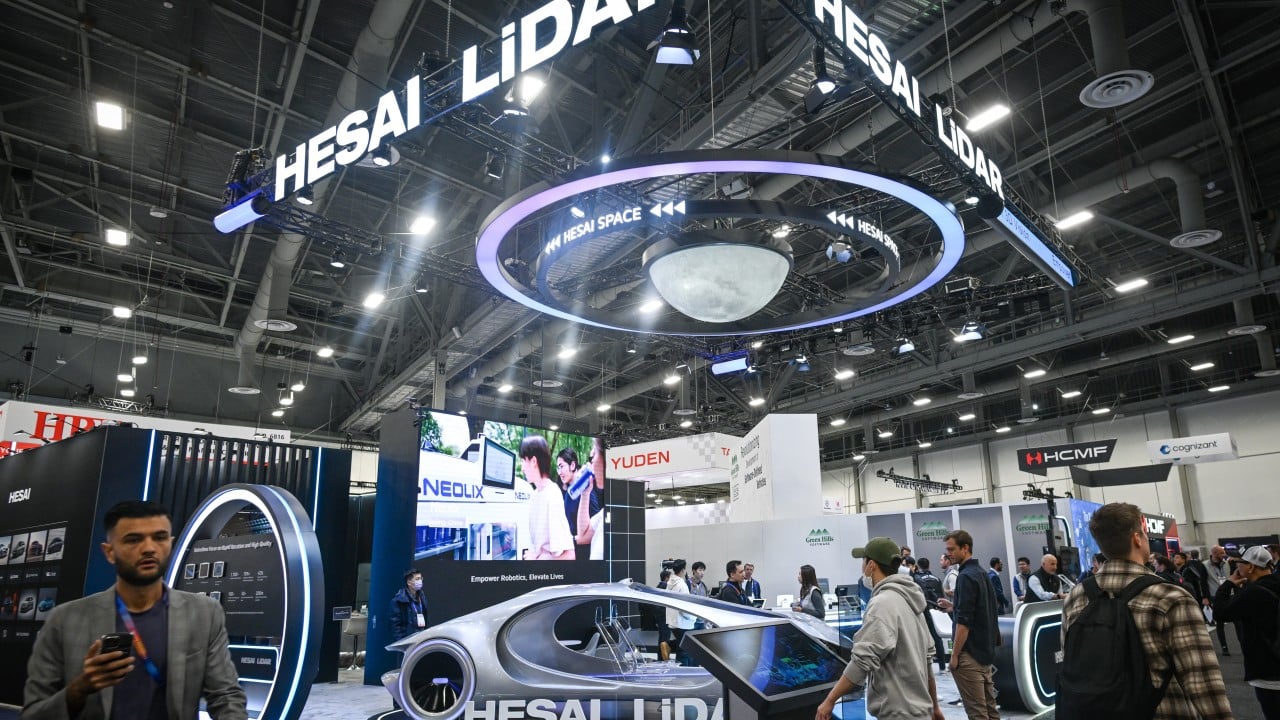
Hesai CFO Andrew Fan says lidar orders this year are higher than during the same period last year. More Chinese automakers are adding lidar to new vehicle models as they accelerate intelligent-driving development despite a weak overall car market.