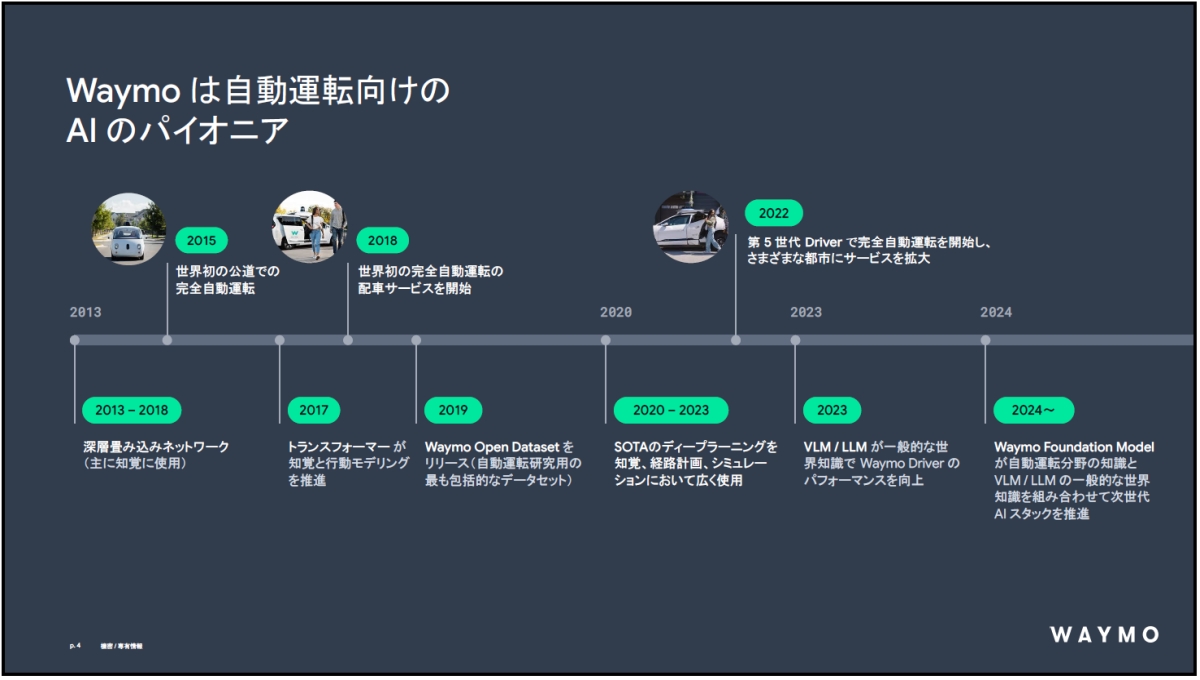
Waymo揭示自動駕駛AI策略
Waymo說明其自動駕駛 AI 策略,以及自2009年 Google Self-Driving Car Project 以來累積的技術演進。公司同時指出,採用單一 AI 模型的端到端(E2E)方式存在兩項問題。
9 results on this page
Waymo說明其自動駕駛 AI 策略,以及自2009年 Google Self-Driving Car Project 以來累積的技術演進。公司同時指出,採用單一 AI 模型的端到端(E2E)方式存在兩項問題。

Also, a micromobility startup spun out of Rivian, has raised $150 million in a Series D round at a valuation above $1 billion. Although it currently focuses on e-bikes, the company says its larger goal is developing small autonomous vehicles.

Marvell Technology has granted Google the right to purchase up to $12.2 billion of Marvell shares as part of a custom-chip arrangement. Google will buy Marvell’s custom chips, and Marvell’s stock rose as much as 14% after the disclosure.
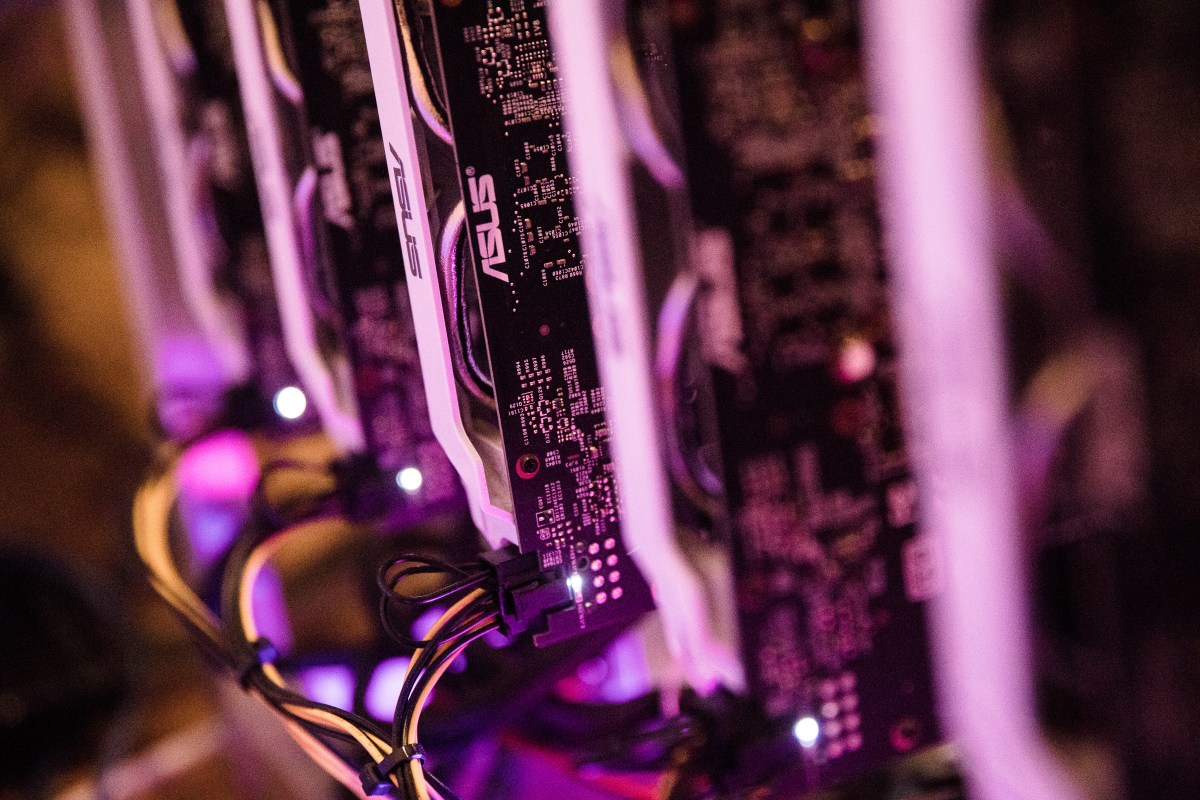
Silicon Data is a startup building tools to help Wall Street assign prices to AI compute. Its goal is to make compute costs easier to value and give firms ways to hedge against price changes as data center and GPU spending expands.

Flock is testing an AI tool that tracks and identifies people based on their driving habits. The system goes beyond conventional license-plate monitoring, raising significant surveillance and privacy concerns.

Anthropic’s effort to label AI-written text has prompted developers to build tools that remove those labels. Business Insider reports that one remover has gone viral on GitHub, raising concerns about the durability of AI-text provenance signals.

Anthropic is reportedly preparing to grant its founders shares with extra voting power before a potential IPO. The governance structure is being designed ahead of what could become one of the largest public offerings in history.
The article reports that Anthropic and Amazon have reportedly purchased large volumes of physical books, scanned them, and destroyed the originals to reduce copyright risk in AI training. It argues that this strategy is tied to differences in US and Chinese copyright law, while also raising concerns about the irreversible loss of cultural artifacts.
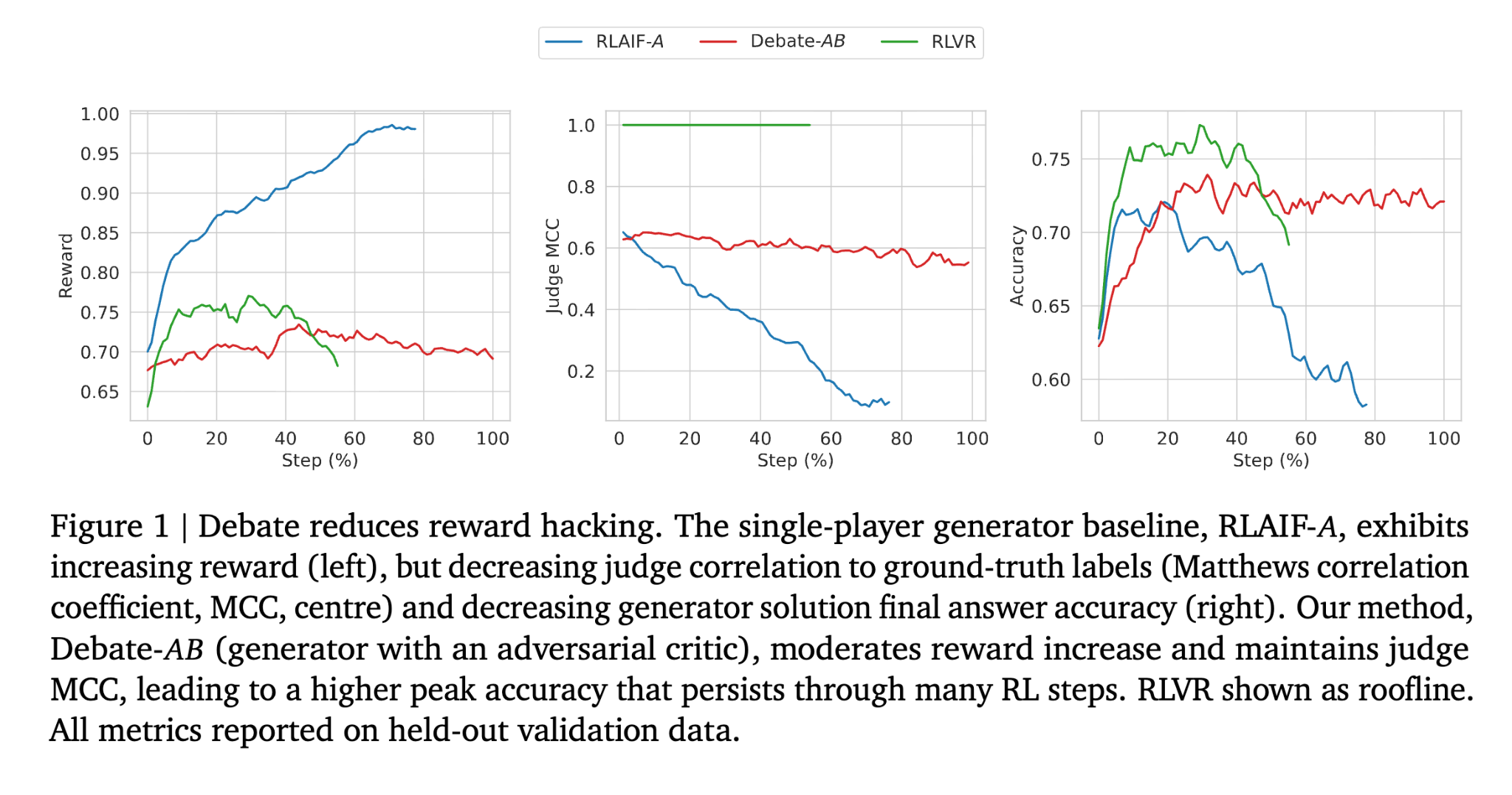
Google DeepMind researchers found that training AI agents through debate can reduce reward hacking when an LLM judge evaluates their work. On mathematics tasks, debate achieved higher sustained ground-truth accuracy than directly optimizing for LLM judge rewards.