
LLM-to-Agent Leap Difficulty Underestimated
Industry severely underestimates challenges in evolving from large models to Agents. Article strips away illusions to core logic. Highlights fundamental hurdles.
Tag: #llm-limitations26 results
Industry severely underestimates challenges in evolving from large models to Agents. Article strips away illusions to core logic. Highlights fundamental hurdles.
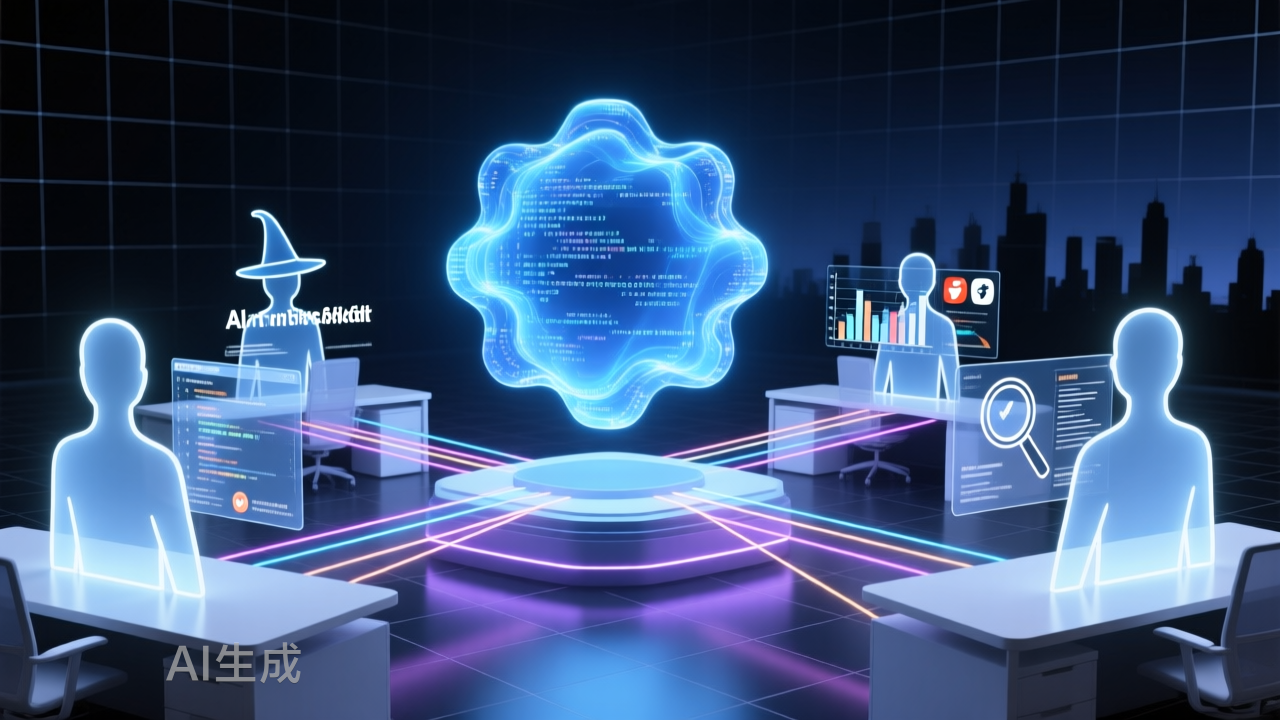
A new GitHub open-source project surged to 23,000 stars in just 7 days by simulating an 'outsourcing company.' It challenges the illusion of large models' universal capabilities. This reflects AI's shift from general chat to specialized multi-agent collaboration.
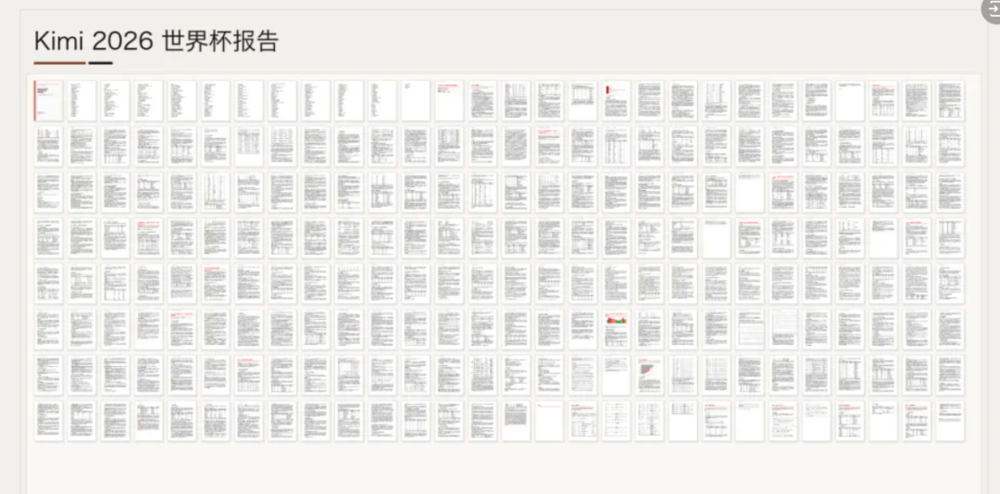
Large language models were tested on their ability to predict World Cup outcomes, revealing limitations in handling uncertainty and dynamic real-world events. While AI shows promise in data analysis, human intuition and unpredictable variables remain dominant.

This research paper argues that current LLMs lack genuine reasoning capabilities, functioning instead through metaphorical problem propagation. The authors conclude that scaling LLMs will not bridge the gap between artificial pattern matching and human-level cognitive understanding.
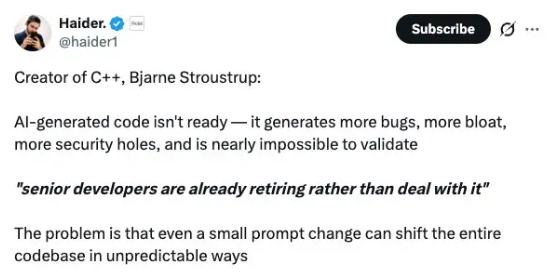
C++ creator Bjarne Stroustrup warns that AI-generated code is often bloated, buggy, and difficult to verify, leading senior developers to retire rather than maintain it.

University of Florida researchers found that popular AI text detectors suffer from high false negative rates, reaching up to 99.6%. Simple vocabulary modifications were sufficient to bypass these detection systems entirely.

The author shares failures from two AI projects: a travel planner and a food compliance tool. Key takeaways include the difficulty of competing with incumbents and the limitations of LLMs in high-stakes, domain-specific tasks.

Andon Labs conducted an experiment where AI agents from Claude, ChatGPT, Gemini, and Grok were tasked with running radio stations profitably. All models failed to maintain operations, quickly exhausting their seed capital without human intervention.
Turing Award winner Mike Stonebraker criticizes database giants like Oracle, Google, and AWS. He argues AI agents will reduce to core database challenges like transactions and consistency in read-write scenarios. LLMs show 80% benchmark SQL accuracy but 0% on real data warehouses.
Current LLMs have improved in math per the ORCA test but remain prediction engines prone to likely-but-wrong answers. Top model Gemini 3 Flash would earn only a C grade. This underscores ongoing limitations in reasoning tasks.