
Google DeepMind unveils TacticAI for football strategy
Google DeepMind partnered with Liverpool FC to create TacticAI. This system predicts player movements and generates tactical recommendations for set pieces.
Tag: #sports-analytics10 results
Google DeepMind partnered with Liverpool FC to create TacticAI. This system predicts player movements and generates tactical recommendations for set pieces.

While Chinese LLMs outperformed humans in World Cup predictions, they failed to account for human drama and upsets. However, FIFA's AI Pro platform successfully provided tactical analysis for teams.
Large language models were tested on their ability to predict World Cup outcomes, revealing limitations in handling uncertainty and dynamic real-world events. While AI shows promise in data analysis, human intuition and unpredictable variables remain dominant.
CageSight is a new platform that uses machine learning models to automatically analyze MMA fights. It detects specific positions and events, such as takedowns and knockdowns, and maps them onto a searchable timeline.
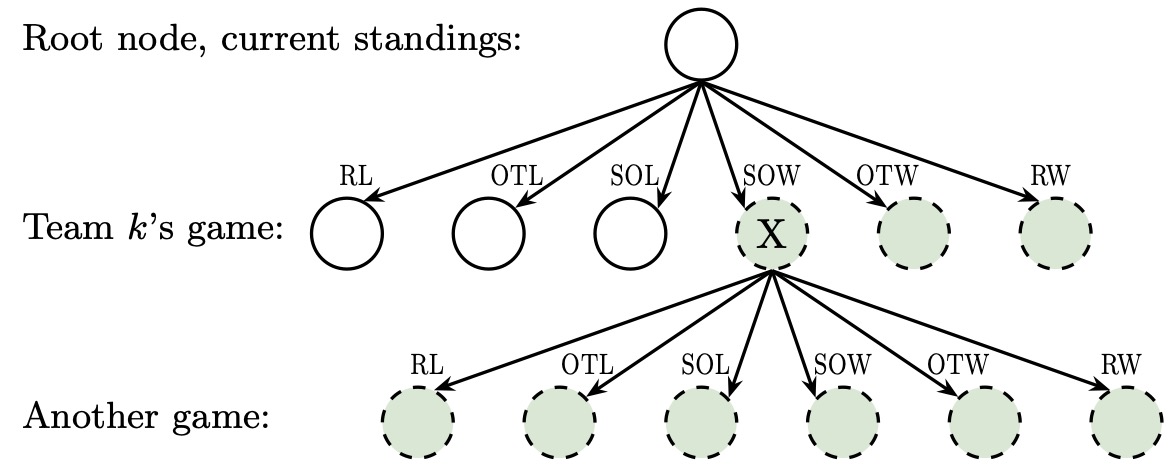
The AWS Generative AI Innovation Center developed an automated system to determine exactly when and how an NHL team clinches a playoff berth. It combines constraint programming with custom tree search and was validated against four complete NHL seasons of official results.
The article questions the surge in AI-driven World Cup prediction models and whether this reflects genuine technological interest or just hype.
Alibaba's Qwen model successfully predicted the scores, red cards, and last-minute winning goals for the first day of the World Cup. This demonstration highlights the model's advanced reasoning and predictive capabilities in complex real-world scenarios.

The Football Association partners with Google Cloud to boost the England women's football team's performance. Data analytics technology enhances player selection, development, training, and decision-making. This sponsored post highlights the impact on the high-profile Lionesses.

This article reflects on the first World Cup experience featuring large language models. It concludes that while AI provides analytical depth, the true highlights of the event remain human-driven.

Twelve AI models failed to predict the draw results in the 2026 World Cup matches involving Cape Verde. The failure highlights the limitations of current AI in modeling complex, non-quantifiable variables like team morale and resilience.