๐ฑEngadgetโขFreshcollected in 20m
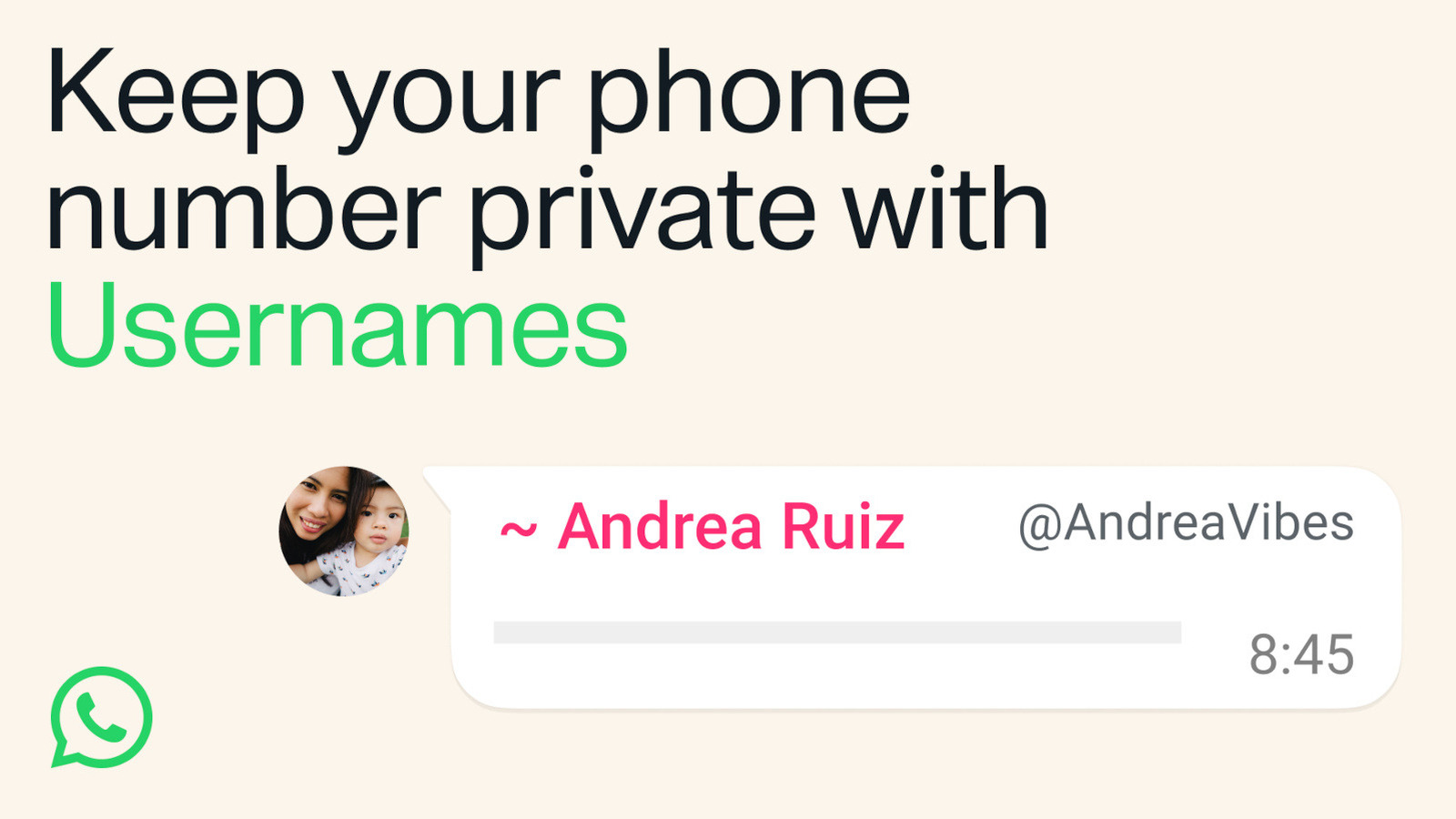
WhatsApp introduces usernames for phone-number-free chatting
๐กLearn how major platforms are decoupling identity from phone numbers to improve privacy and user experience.
โก 30-Second TL;DR
What Changed
Users can chat without exposing personal phone numbers
Why It Matters
This change improves user privacy and reduces the reliance on PII (Personally Identifiable Information) for account discovery, aligning with modern identity standards.
What To Do Next
If building an app, consider implementing handle-based identity systems to minimize PII exposure for your users.
Who should care:Developers & AI Engineers
๐ง Deep Insight
AI-generated analysis for this event.
๐ Enhanced Key Takeaways
- โขThe username feature utilizes a new identity layer that decouples the WhatsApp account from the SIM-based phone number, addressing long-standing user requests for enhanced privacy.
- โขWhatsApp is implementing a 'claim-first' reservation system where handles are unique globally, preventing impersonation across the platform.
- โขThe rollout includes an optional 'Phone Number Visibility' setting, allowing users to choose whether their number remains visible to existing contacts or is hidden entirely.
- โขMeta is integrating this username system with its broader cross-platform identity framework, potentially allowing for future interoperability with Instagram and Messenger handles.
- โขSecurity protocols for the username feature include mandatory two-factor authentication (2FA) to prevent account hijacking and username squatting.
๐ Competitor Analysisโธ Show
| Feature | Telegram | Signal | Session | |
|---|---|---|---|---|
| Phone Number Required | Optional (New) | Required (for signup) | Required | No |
| Username Support | Yes | Yes | No | Yes |
| Decentralized Identity | No | No | No | Yes |
| Encryption | E2EE | Optional E2EE | E2EE | E2EE |
๐ ๏ธ Technical Deep Dive
- The implementation relies on a new mapping service within the WhatsApp backend that translates unique handles to internal account identifiers without exposing the underlying MSISDN (Mobile Station International Subscriber Directory Number).
- The system uses a cryptographic binding process where the username is linked to the user's public key, ensuring that messages sent to a username are end-to-end encrypted.
- WhatsApp has updated its Signal Protocol implementation to support identity key lookups via username, maintaining the same security guarantees as phone-number-based chats.
- The reservation system utilizes a distributed database architecture to ensure global uniqueness and low-latency handle verification during the registration phase.
๐ฎ Future ImplicationsAI analysis grounded in cited sources
WhatsApp will see a significant increase in business-to-consumer (B2C) interactions.
Removing the requirement to share personal phone numbers lowers the barrier for users to engage with businesses and public figures.
The platform will face increased regulatory scrutiny regarding identity verification.
Decoupling accounts from verified SIM cards complicates law enforcement requests and age-verification compliance in certain jurisdictions.
โณ Timeline
2009-02
WhatsApp is founded with a focus on phone-number-based contact discovery.
2014-02
Meta (then Facebook) acquires WhatsApp for $19 billion.
2016-04
WhatsApp completes the rollout of end-to-end encryption for all message types.
2023-05
Initial reports emerge regarding WhatsApp testing username-based identity features.
2026-06
WhatsApp officially announces the username reservation process.
๐ฐ
Weekly AI Recap
Read this week's curated digest of top AI events โ
๐Related Updates

WhatsApp to introduce usernames for private messaging
BBC TechnologyโขJun 29
WhatsApp Introduces Usernames to Enhance Privacy
Meta NewsroomโขJun 29

US Supreme Court restricts use of geofence warrants
EngadgetโขJun 29

WhatsApp introduces username reservations to enhance user privacy
The Next Web (TNW)โขJun 29
AI-curated news aggregator. All content rights belong to original publishers.
Original source: Engadget โ