WhatsApp to introduce usernames for private messaging
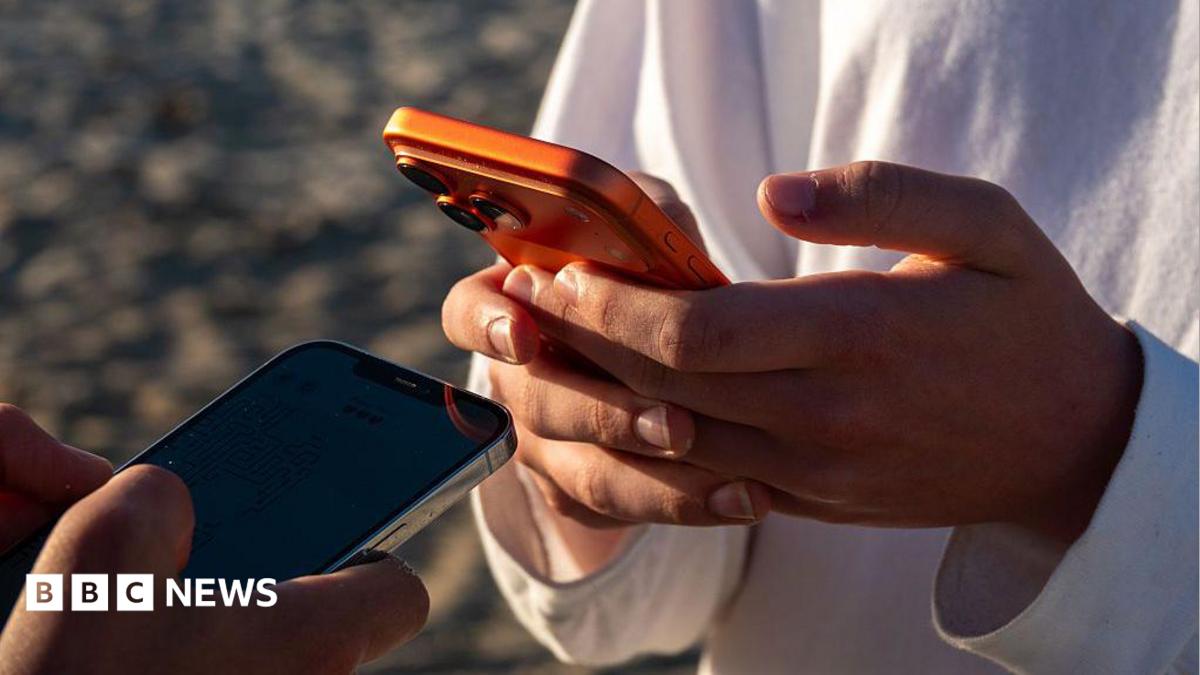
WhatsApp's shift to usernames changes how identity and bot discovery work on the world's largest messaging app.
30-Second TL;DR
What Changed
Users can chat without revealing personal phone numbers.
Why It Matters
This change could significantly alter how businesses and automated agents interact with users on the platform, moving away from phone-number-based authentication.
What To Do Next
Monitor the WhatsApp Business API documentation for updates on how username-based discovery will affect bot onboarding flows.
Key Points
- •Users can chat without revealing personal phone numbers.
- •The feature will be deployed globally over the coming months.
- •This shift moves WhatsApp closer to the identity models used by platforms like Telegram.
Deep Insight
AI-generated analysis for this event — not the original article.
Enhanced Key Takeaways
- •The username feature includes an optional PIN code requirement, allowing users to add an extra layer of security to prevent unauthorized contact requests.
- •WhatsApp is implementing a 'searchability' toggle in privacy settings, enabling users to choose whether they can be found via their username or only by those who already have their phone number.
- •The rollout includes a transition period where existing accounts will retain their phone number as the primary identifier, with usernames serving as an alias rather than a replacement.
- •Meta has integrated this username system with the broader Meta Accounts Center, allowing for potential cross-platform identity management between WhatsApp, Instagram, and Facebook.
- •Technical implementation utilizes a new decentralized identity lookup service designed to prevent the scraping of phone number databases by third-party entities.
Competitor Analysis
- Phone Number (Optional Username)
- Telegram
- Username (Phone Number Optional)
- Signal
- Phone Number
- Phone-first (Transitioning)
- Telegram
- Username-first
- Signal
- Phone-first
- Phone/Username/QR
- Telegram
- Username/Public Links
- Signal
- Phone/QR/Invite Links
| Feature | Telegram | Signal | |
|---|---|---|---|
| Primary Identifier | Phone Number (Optional Username) | Username (Phone Number Optional) | Phone Number |
| Privacy Model | Phone-first (Transitioning) | Username-first | Phone-first |
| Discovery | Phone/Username/QR | Username/Public Links | Phone/QR/Invite Links |
Technical Deep Dive
- Implementation relies on a new abstraction layer between the user's account and the underlying phone number database.
- Usernames are stored as unique strings in a global registry that maps to a persistent, non-public internal account ID.
- The system uses end-to-end encrypted lookup requests to ensure that the server cannot link a username to a phone number without explicit user consent.
- API updates for business accounts allow for 'Username-only' chat links, bypassing the need for traditional click-to-chat phone number URLs.
Future ImplicationsAI analysis grounded in cited sources
Timeline
- 2009-02WhatsApp is founded with a phone-number-only registration model.
- 2014-02Meta (then Facebook) acquires WhatsApp for $19 billion.
- 2023-05Initial reports emerge regarding WhatsApp testing username-based identity systems.
- 2024-11WhatsApp begins beta testing username functionality with select Android users.
- 2026-06Global rollout of the username feature is officially announced.
Event Coverage
Weekly AI Recap
Read this week's curated digest of top AI events →
Related Updates

AI-curated news aggregator. All content rights belong to original publishers.
Original source: BBC Technology ↗
This is a summary, not the original. Read the source, or get the weekly briefing.
The weekly digest
One email a week. Unsubscribe anytime.