Tesla Cybercab technical specs revealed in EPA filing
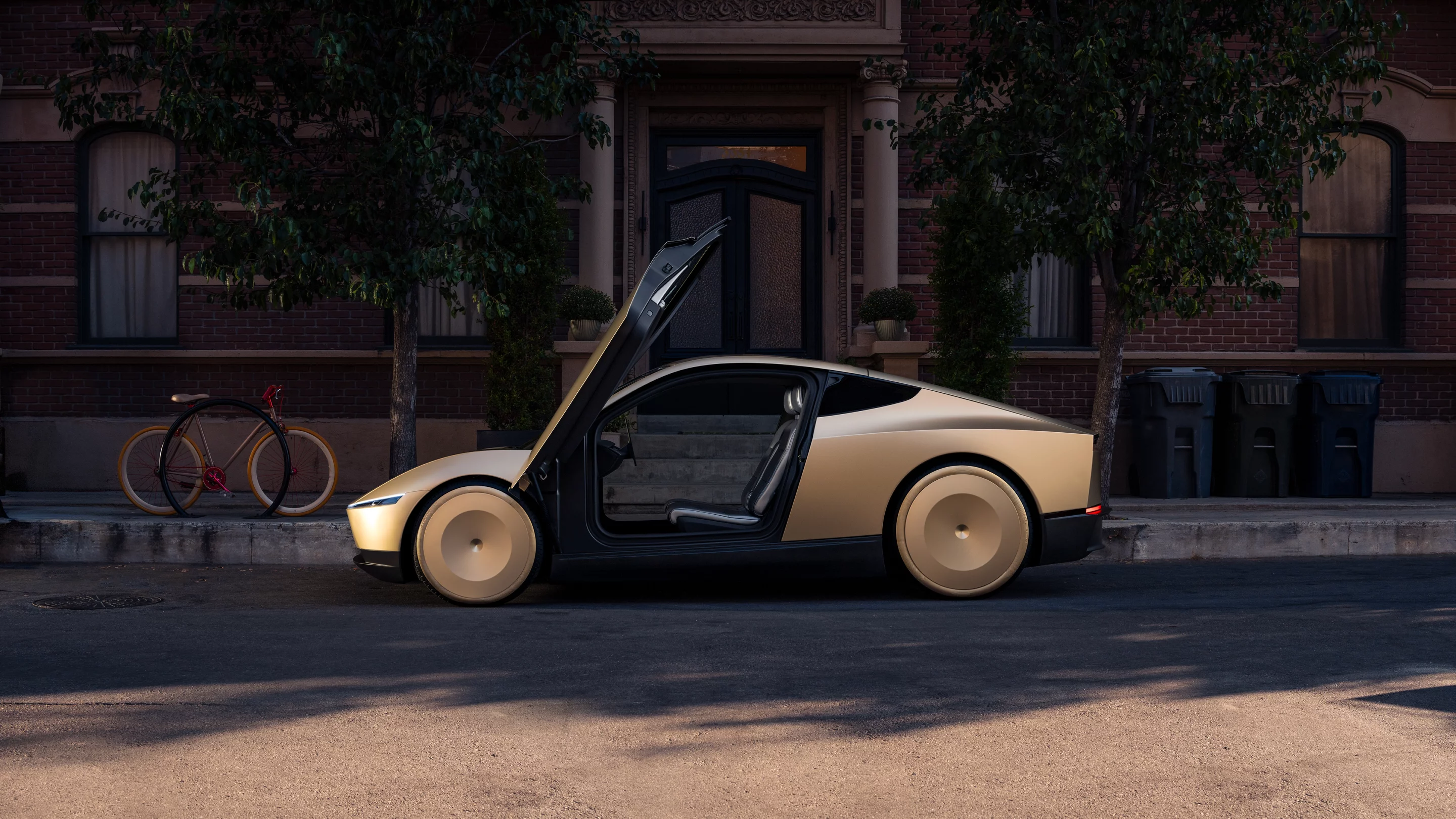
💡Get the first official technical look at Tesla's Cybercab hardware specs from recent EPA filings.
⚡ 30-Second TL;DR
What Changed
EPA certification documents reveal core technical specifications for Cybercab
Why It Matters
The disclosure provides concrete data for researchers analyzing Tesla's autonomous vehicle architecture. It may influence investor sentiment and regulatory scrutiny regarding the feasibility of robotaxi mass production.
What To Do Next
Analyze the EPA certification data to benchmark Tesla's energy efficiency against current autonomous fleet standards.
Key Points
- •EPA certification documents reveal core technical specifications for Cybercab
- •First systematic disclosure of previously hidden hardware parameters
- •Ongoing industry skepticism regarding the timeline for full autonomous deployment
🧠 Deep Insight
AI-generated analysis for this event — not the original article.
🔑 Enhanced Key Takeaways
- •The EPA filing confirms the Cybercab utilizes a dedicated 48-volt electrical architecture to reduce wiring complexity and improve power efficiency.
- •Documents indicate the vehicle employs a dual-motor powertrain configuration optimized for urban stop-and-go efficiency rather than high-speed performance.
- •The filing specifies the inclusion of a proprietary 'Hardware 5' (HW5) computer suite, marking a transition from the previous HW4 platform used in Model 3/Y.
- •Energy density data from the certification suggests the use of a structural battery pack integrated directly into the vehicle's chassis to minimize curb weight.
- •The EPA documentation explicitly lists the vehicle as 'Level 5 capable' in its classification, though it notes that active software restrictions currently limit operation to geofenced areas.
📊 Competitor Analysis▸ Show
| Feature | Tesla Cybercab | Waymo (Zeekr) | Zoox |
|---|---|---|---|
| Steering Wheel/Pedals | None | None | None |
| Primary Sensor Suite | Vision-Only | LiDAR + Radar + Cameras | LiDAR + Radar + Cameras |
| Architecture | Dedicated Robotaxi | Retrofitted/Purpose-built | Purpose-built |
| Estimated Cost/Mile | <$0.30 | $1.00 - $2.00 | $1.00 - $2.00 |
🛠️ Technical Deep Dive
- Powertrain: Dual-motor permanent magnet synchronous motors with silicon carbide inverters.
- Battery: 45 kWh structural lithium-iron-phosphate (LFP) pack.
- Compute: Tesla HW5 AI computer with redundant power supplies and cooling loops.
- Sensors: 12 external cameras, ultrasonic sensors, and long-range vision processing units.
- Charging: Inductive wireless charging capability integrated into the underbody, supporting up to 25kW.
🔮 Future ImplicationsAI analysis grounded in cited sources
⏳ Timeline
Weekly AI Recap
Read this week's curated digest of top AI events →
👉Related Updates

AI-curated news aggregator. All content rights belong to original publishers.
Original source: cnBeta (Full RSS) ↗
This is a summary, not the original. Read the source, or get the weekly briefing.
Weekly AI briefing
One email a week. Unsubscribe anytime.