G.Skill Begins $2.4M Memory Settlement Payouts
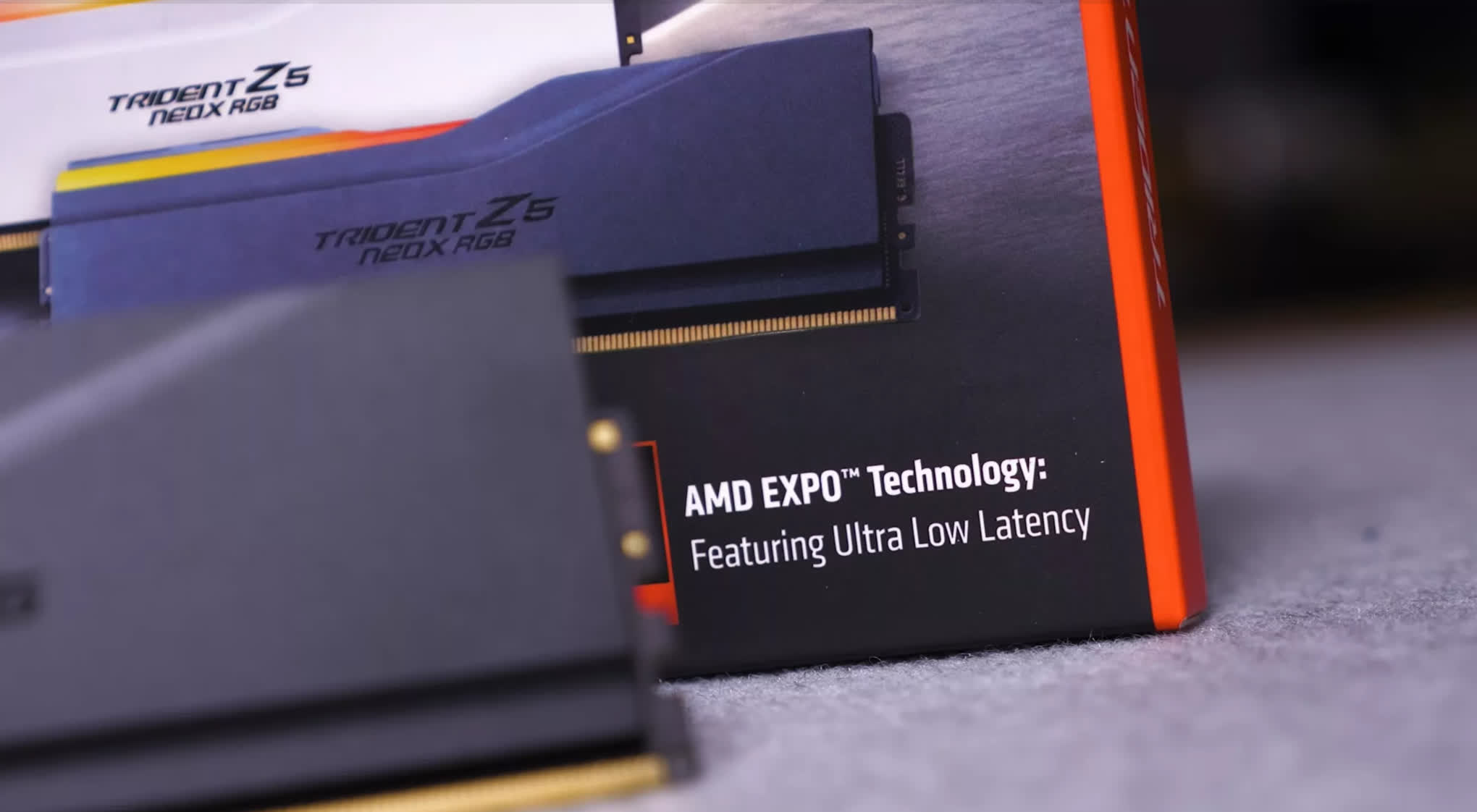
💡A memory-speed settlement is a reminder to validate RAM specifications before scaling AI infrastructure.
⚡ 30-Second TL;DR
What Changed
The class-action settlement totals $2.4 million.
Why It Matters
The case highlights the procurement and compliance risks of relying on advertised memory speeds for AI servers and other high-performance systems. Builders should validate real-world specifications rather than depending solely on vendor marketing.
What To Do Next
Before buying G.Skill DDR4 or DDR5 for an inference server, verify the exact module specifications against independent benchmarks and the vendor’s official datasheets.
Key Points
- •The class-action settlement totals $2.4 million.
- •The dispute concerns allegedly misleading speed claims for DDR4 and DDR5 memory modules.
- •Eligible consumers are expected to receive roughly $20–$25 each.
- •Payments are being distributed beginning this week.
🧠 Deep Insight
Background and context from public sources — not the original article. 12 sources cited.
🔑 Enhanced Key Takeaways
- •The class-action lawsuit, filed in 2022, specifically targeted G.Skill's DDR4 and DDR5 memory kits from its Trident Z and Ripjaws series.
- •G.Skill has agreed to update its product packaging and online listings to include clear disclaimers that achieving advertised memory speeds requires overclocking through Intel XMP or AMD EXPO profiles.
- •Eligible claimants are U.S. residents who purchased non-laptop G.Skill DDR4 memory rated above 2,133 MHz or DDR5 memory rated above 4,800 MHz between January 31, 2018, and January 7, 2026.
- •After deducting approximately $800,000 for attorneys' fees and $295,000 for administration costs, roughly $1.3 million of the $2.4 million settlement fund remains for distribution to consumers.
- •Payments are being disbursed through various methods, including PayPal, Zelle, direct bank transfers, and digital prepaid Mastercards, depending on the claimant's selection.
🛠️ Technical Deep Dive
- Memory kits typically default to conservative JEDEC baseline speeds (e.g., DDR4-2133 or DDR5-4800) for maximum system compatibility.
- To achieve advertised speeds above these baselines, users must manually enable overclocking profiles, such as Intel XMP (Extreme Memory Profile) or AMD EXPO (Extended Profiles for Overclocking), within their system's BIOS settings.
- The successful attainment of advertised memory speeds is also contingent on other hardware components, including the processor's integrated memory controller (IMC) and the motherboard's support for those speeds, often verified through a Qualified Vendor List (QVL).
- Overclocking memory, while enabling higher performance, carries potential risks such as system instability or, in some cases, possible hardware damage.
🔮 Future ImplicationsAI analysis grounded in cited sources
⏳ Timeline
📎 Sources (12)
Factual claims are grounded in the sources below. Forward-looking analysis is AI-generated interpretation.
Weekly AI Recap
Read this week's curated digest of top AI events →
👉Related Updates

AI-curated news aggregator. All content rights belong to original publishers.
Original source: cnBeta (Full RSS) ↗
This is a summary, not the original. Read the source, or get the weekly briefing.
Weekly AI briefing
One email a week. Unsubscribe anytime.